

Testosterone Cypionate: Complete Guide for 2026
Testosterone cypionate stands as one of the most widely prescribed and researched forms of testosterone replacement therapy available in the United States. This long-acting esterified testosterone has served the medical community for decades, providing effective treatment for men diagnosed with hypogonadism and other testosterone-deficiency conditions. Understanding its pharmacological properties, proper administration protocols, safety considerations, and clinical applications has become increasingly important as more healthcare providers incorporate individualized hormone therapy into their practice. Whether you’re exploring treatment options or seeking deeper knowledge about this therapeutic compound, comprehensive information about testosterone cypionate’s mechanisms, dosing strategies, and evidence-based outcomes provides the foundation for informed decisions.
Understanding Testosterone Cypionate’s Pharmacology
Testosterone cypionate represents a synthetic esterified form of the naturally occurring male hormone testosterone. The cypionate ester attached to the testosterone molecule extends its release profile, creating a depot effect when administered intramuscularly. This modification allows the compound to remain active in the body for extended periods compared to non-esterified testosterone.
Chemical Structure and Mechanism
The cypionate ester consists of cyclopentanepropionic acid bonded to the 17-beta hydroxyl group of the testosterone molecule. According to the official FDA documentation, this esterification process creates a compound that dissolves slowly from the injection site into the bloodstream. Once in circulation, esterase enzymes cleave the ester bond, releasing free testosterone that can then bind to androgen receptors throughout the body.
The molecular formula C27H40O3 gives testosterone cypionate a molecular weight of 412.61 g/mol, significantly heavier than testosterone alone due to the attached ester chain.

Absorption and Half-Life Characteristics
After intramuscular injection, testosterone cypionate forms an oily depot in muscle tissue from which the hormone gradually releases. The elimination half-life ranges from approximately 8 to 10 days, though individual metabolism can cause variation. This extended half-life enables less frequent dosing compared to shorter-acting testosterone formulations.
Peak serum testosterone levels typically occur between 24 and 48 hours after injection, followed by a gradual decline over the subsequent days. Research in androgen pharmacology demonstrates that serum levels remain elevated above baseline for approximately two weeks after a single dose, though therapeutic levels may decline sooner depending on individual factors.
Clinical Applications and Approved Uses
Testosterone cypionate holds FDA approval for specific medical conditions characterized by testosterone deficiency. Understanding these approved indications ensures appropriate use within medical guidelines.
Primary and Secondary Hypogonadism
Primary hypogonadism involves testicular failure to produce adequate testosterone due to:
- Genetic conditions (Klinefelter syndrome)
- Testicular trauma or torsion
- Chemotherapy or radiation damage
- Mumps orchitis
- Age-related testicular decline
Secondary hypogonadism results from hypothalamic or pituitary dysfunction affecting:
- Gonadotropin-releasing hormone production
- Luteinizing hormone and follicle-stimulating hormone secretion
- Pituitary tumors or damage
- Kallmann syndrome
- Idiopathic gonadotropin deficiency
Both conditions require documented low testosterone levels through blood testing before initiating treatment. Diagnosis typically involves at least two morning testosterone measurements below the normal reference range, accompanied by clinical symptoms.
Off-Label and Emerging Applications
While not FDA-approved for all uses, testosterone cypionate finds application in several other clinical contexts. Gender-affirming hormone therapy for transgender men represents one significant area, with established protocols for inducing and maintaining masculinization. The NHS England evidence review outlines comprehensive guidelines for testosterone monotherapy in adolescents and young people undergoing binary transition.
Some practitioners prescribe testosterone cypionate for age-related testosterone decline in older men presenting with symptoms of hypogonadism, though this application requires careful patient selection and monitoring.
Dosing Protocols and Administration Methods
Proper dosing requires individualization based on patient characteristics, treatment goals, and ongoing monitoring results. Standard protocols provide starting points that clinicians adjust according to patient response.
Standard Therapeutic Dosing
According to FDA labeling, typical testosterone cypionate dosing for hypogonadism ranges from 50 to 400 mg administered every 2 to 4 weeks. Most prescribers initiate treatment at intermediate doses and adjust based on symptom resolution and laboratory values.
| Patient Population | Typical Starting Dose | Injection Frequency | Adjustment Strategy |
|---|---|---|---|
| Adult males with hypogonadism | 100-200 mg | Every 2 weeks | Titrate by 25-50 mg based on trough levels |
| Older adults (>65 years) | 75-100 mg | Every 2 weeks | Conservative titration with closer monitoring |
| Gender-affirming therapy | 50-100 mg | Weekly | Gradual increase to 100-200 mg weekly |
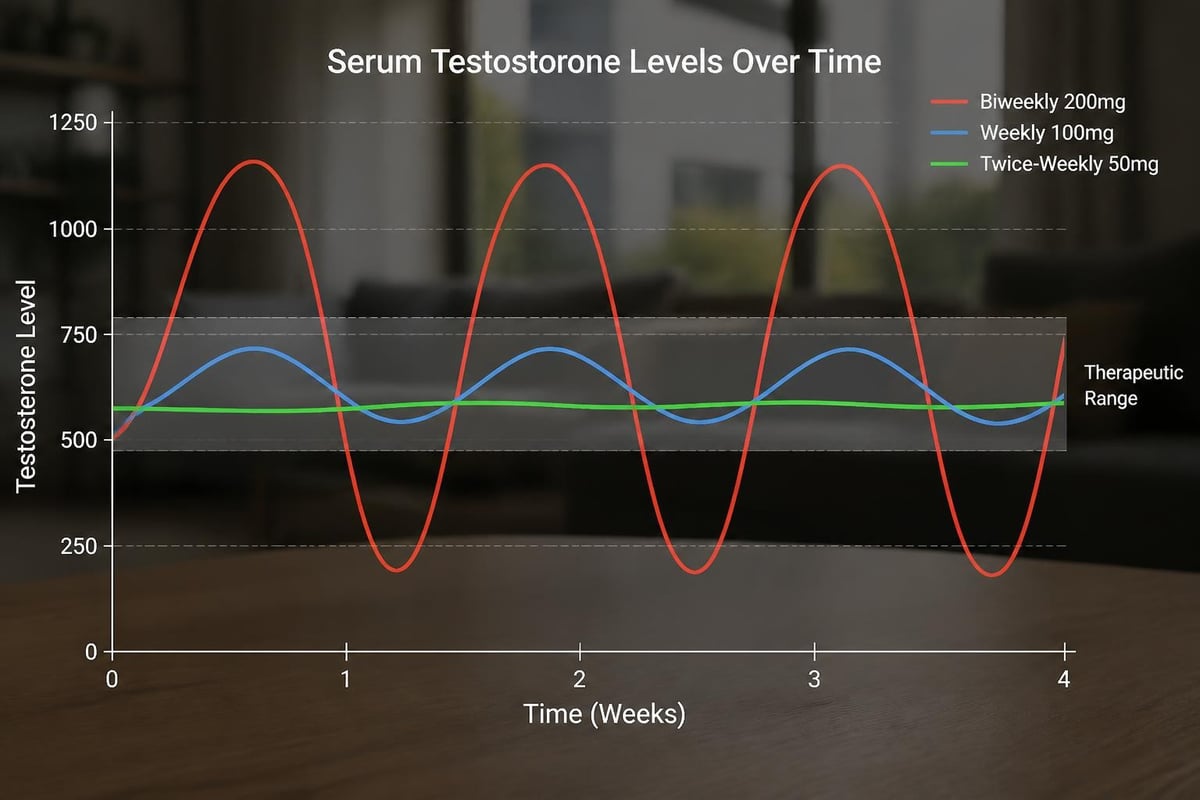
Recent clinical approaches favor more frequent, lower-dose injections to minimize the fluctuations inherent in biweekly dosing. A 2026 review on individualizing therapy explains how testosterone cypionate administered biweekly produces significant peaks and troughs that may cause symptom variability and mood fluctuations.
Weekly and Micro-Dosing Approaches
Progressive practitioners increasingly recommend weekly or twice-weekly injections of smaller doses. This approach provides more stable serum levels and reduces the “roller coaster” effect some patients experience with traditional biweekly protocols.
Weekly protocol example:
- Split standard biweekly dose in half
- Administer every 7 days
- Maintain more consistent serum levels
- Reduce peak-related side effects
Twice-weekly micro-dosing:
- Divide weekly dose in half
- Inject every 3.5 days (Monday/Thursday pattern)
- Achieve optimal stability
- Minimize aromatization to estrogen
Injection Techniques and Sites
Intramuscular injection remains the standard route for testosterone cypionate administration. Common injection sites include:
- Ventrogluteal muscle – Preferred site with lowest complication risk
- Dorsogluteal muscle – Traditional site requiring proper technique
- Vastus lateralis – Thigh muscle suitable for self-administration
- Deltoid muscle – Upper arm location for smaller volumes
Subcutaneous administration represents an emerging alternative that some patients prefer. While not FDA-approved for subcutaneous use, clinical experience suggests comparable efficacy with potentially fewer injection site reactions and easier self-administration.
Proper injection technique involves:
- Cleaning the site with alcohol
- Using appropriate needle length (1-1.5 inches for IM)
- Aspirating before injection (controversial practice)
- Rotating injection sites
- Applying pressure post-injection
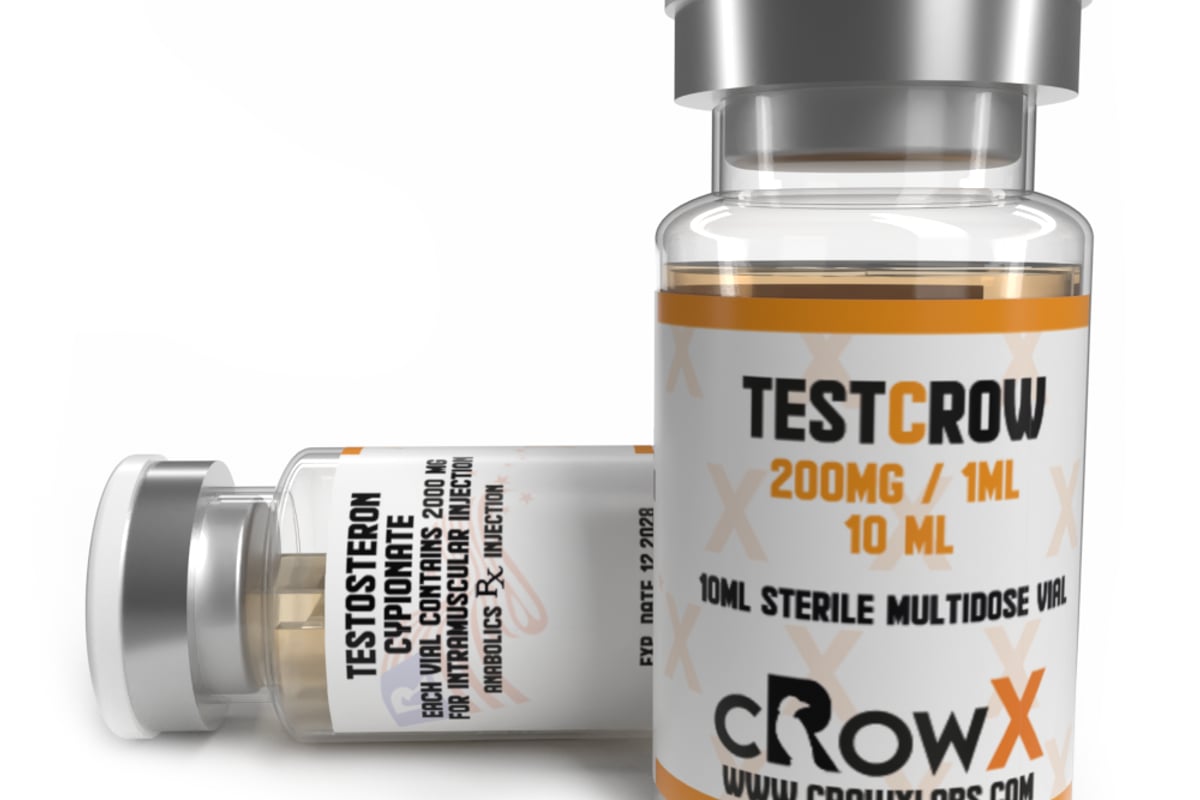
For those seeking pharmaceutical-grade products, Testosterone Cypionate 200mg provides a standardized concentration suitable for various dosing protocols under medical supervision.
Safety Profile and Adverse Effects
Understanding potential risks enables informed decision-making and appropriate monitoring strategies. Testosterone cypionate carries both common mild effects and rare serious complications.
Common Side Effects
Most patients tolerate testosterone cypionate well, though some experience manageable adverse effects:
- Injection site reactions – Pain, redness, swelling at injection location
- Acne and oily skin – Increased sebum production
- Hair pattern changes – Scalp hair thinning, increased body hair
- Fluid retention – Mild edema, weight fluctuation
- Gynecomastia – Breast tissue development from aromatization
- Sleep disturbances – Sleep apnea exacerbation
- Mood changes – Irritability or mood swings during trough periods
The current FDA labeling provides comprehensive documentation of adverse reactions observed in clinical trials and post-marketing surveillance.
Serious Risks and Contraindications
Certain serious adverse events require immediate medical attention and ongoing monitoring:
Cardiovascular concerns:
- Heart attack risk (particularly in older adults with existing heart disease)
- Stroke incidence
- Venous thromboembolism
- Polycythemia (elevated red blood cell count)
Prostate health:
- Benign prostatic hyperplasia worsening
- Prostate-specific antigen elevation
- Theoretical prostate cancer promotion (though not definitively proven)
Fertility impacts:
- Spermatogenesis suppression
- Testicular atrophy
- Potential infertility during treatment
Recent evidence provides nuanced perspectives on cardiovascular safety. A 2025 meta-analysis of long-term cardiovascular outcomes pooled data from randomized controlled trials in middle-aged and older men, finding no significant increase in major adverse cardiovascular events with testosterone replacement therapy. Similarly, real-world electronic health record data from 2025 demonstrated cardiovascular safety over three years of treatment in men with documented testosterone deficiency.
Contraindications
Testosterone cypionate should not be used in patients with:
- Breast cancer (male)
- Known or suspected prostate cancer
- Pregnant or breastfeeding women
- Severe untreated sleep apnea
- Uncontrolled heart failure
- Recent cardiovascular event
- Elevated hematocrit (>50%)
Monitoring Requirements and Laboratory Testing
Effective testosterone replacement therapy demands systematic monitoring to ensure safety and optimize outcomes. Regular laboratory assessment tracks therapeutic response and identifies potential complications early.
Baseline Evaluation
Before initiating testosterone cypionate, comprehensive baseline testing establishes starting parameters:
| Test Category | Specific Tests | Purpose |
|---|---|---|
| Hormonal | Total testosterone, free testosterone, LH, FSH | Confirm hypogonadism diagnosis |
| Hematologic | Complete blood count, hematocrit, hemoglobin | Establish baseline for polycythemia monitoring |
| Metabolic | Lipid panel, glucose, HbA1c | Assess cardiovascular risk factors |
| Hepatic | Liver function tests | Ensure hepatic health |
| Prostate | PSA, digital rectal exam | Screen for prostate abnormalities |
Ongoing Monitoring Schedule
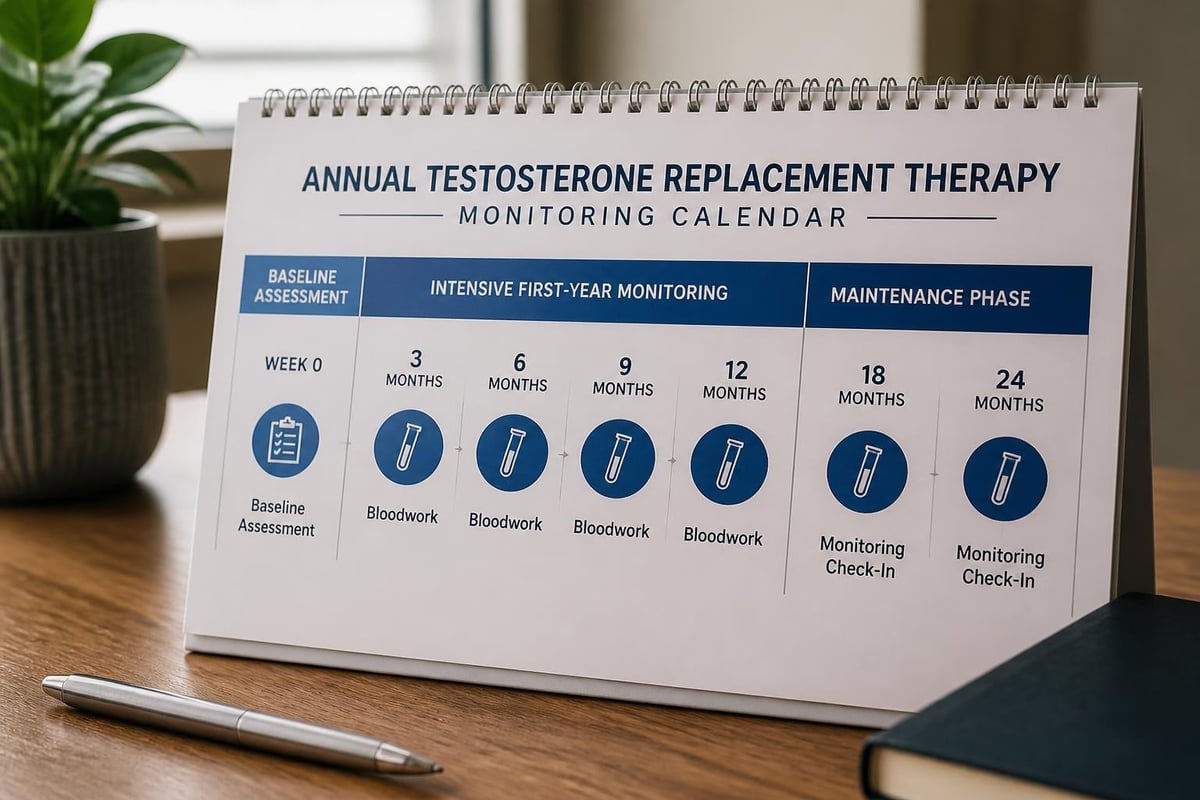
After treatment initiation, regular follow-up testing ensures appropriate response and safety:
First 3-6 months (intensive monitoring):
- Testosterone levels at 3 months
- Complete blood count at 3 and 6 months
- Symptom assessment at each visit
- PSA at 3 and 6 months (men >40)
After stabilization (maintenance monitoring):
- Testosterone levels every 6-12 months
- Hematocrit every 6-12 months
- PSA annually (men >40)
- Lipid panel annually
- Liver function as clinically indicated
Research on testosterone pharmacokinetics demonstrates significant inter-individual variability in dose response, highlighting the importance of individualized monitoring rather than fixed protocols.
Physiological Effects and Expected Outcomes
Patients initiating testosterone cypionate therapy typically experience a progression of effects as hormone levels normalize. Understanding realistic timelines helps set appropriate expectations.
Short-Term Effects (Weeks to Months)
Within 2-4 weeks:
- Improved mood and sense of well-being
- Enhanced libido
- Increased energy levels
- Better sleep quality
Within 1-3 months:
- Improved erectile function
- Enhanced cognitive focus
- Increased motivation
- Fat mass reduction begins
Medium to Long-Term Effects (Months to Years)
3-6 months:
- Significant increase in lean muscle mass
- Continued fat loss
- Bone density improvement initiation
- Strength gains
- Red blood cell production increase
6-12 months:
- Peak muscle mass and strength effects
- Stabilized body composition changes
- Maximal bone density benefits
- Full virilization (gender-affirming context)
Beyond 1 year:
- Sustained improvements in metabolic parameters
- Maintained muscle mass and strength
- Continued bone health benefits
- Stable cardiovascular risk profile (with monitoring)
Individual response varies considerably based on age, baseline testosterone levels, overall health status, diet, exercise habits, and genetic factors.
Considerations for Special Populations
Certain patient groups require modified approaches or additional precautions when using testosterone cypionate.
Older Adults
Men over 65 years often present with age-related testosterone decline alongside multiple comorbidities. Conservative dosing, closer monitoring, and careful cardiovascular assessment become paramount. Starting with lower doses (75-100 mg every 2 weeks) and titrating gradually reduces adverse event risk.
Prostate monitoring intensifies in this population due to higher baseline prostate cancer risk. Some practitioners perform baseline prostate MRI or more frequent PSA testing in addition to standard protocols.
Athletes and Performance Enhancement
While testosterone cypionate has legitimate medical applications, its use for athletic performance enhancement falls outside approved indications and violates most sports organizations’ rules. The World Anti-Doping Agency prohibits testosterone use without valid therapeutic exemptions.
Performance-related use typically involves supraphysiological doses that significantly increase adverse effect risk, particularly cardiovascular complications, liver dysfunction, and hormonal disruption.
Fertility Preservation
Men of reproductive age considering testosterone cypionate therapy must understand its contraceptive effects. Exogenous testosterone suppresses the hypothalamic-pituitary-gonadal axis, reducing luteinizing hormone and follicle-stimulating hormone production. This suppression decreases or eliminates sperm production in most men.
Fertility preservation options include:
- Sperm banking before treatment initiation
- Concurrent human chorionic gonadotropin administration
- Selective estrogen receptor modulator co-treatment
- Treatment interruption when attempting conception
- Alternative testosterone formulations with less suppression
Recovery of spermatogenesis after treatment cessation varies widely, ranging from several months to over a year in some cases. Complete recovery cannot be guaranteed.
Drug Interactions and Concurrent Medications
Testosterone cypionate interacts with several medication classes, requiring dose adjustments or enhanced monitoring.
Anticoagulants
Testosterone may enhance the anticoagulant effects of warfarin and other blood thinners. Patients taking anticoagulants require more frequent INR monitoring when initiating or adjusting testosterone therapy. Anticoagulant doses may need reduction to maintain therapeutic range.
Diabetes Medications
Testosterone replacement can improve insulin sensitivity and reduce blood glucose levels. Diabetic patients may require adjustment of insulin or oral hypoglycemic agents to prevent hypoglycemia. Blood glucose monitoring should intensify during the first months of treatment.
Corticosteroids
Concurrent corticosteroid use may increase fluid retention risk. Patients taking both medications require monitoring for edema and should use the lowest effective corticosteroid dose.
Aromatase Inhibitors and SERMs
Some patients require concurrent medications to manage estrogen-related side effects:
- Aromatase inhibitors (anastrozole, letrozole) – Reduce testosterone conversion to estradiol
- Selective estrogen receptor modulators (tamoxifen, raloxifene) – Block estrogen receptor activation
These medications should only be used under medical supervision with appropriate monitoring, as excessively low estrogen causes adverse effects including joint pain, bone loss, and lipid changes.
Storage and Handling Requirements
Proper storage maintains testosterone cypionate potency and sterility throughout its shelf life.
Storage Conditions
- Store at controlled room temperature (68-77°F or 20-25°C)
- Protect from light exposure
- Keep away from heat sources
- Do not refrigerate or freeze
- Maintain in original container until use
Preparation and Safety
When preparing injections:
- Inspect solution for particulate matter or discoloration
- Use aseptic technique throughout preparation
- Draw with appropriate gauge needle
- Replace with fresh needle for injection
- Discard used needles in sharps container
- Never share needles or vials between individuals
Testosterone cypionate solutions should appear clear to slightly yellow. Crystallization may occur at low temperatures but typically dissolves upon warming to room temperature.
Testosterone cypionate represents a well-established, effective treatment option for men with diagnosed testosterone deficiency when used appropriately under medical supervision. Understanding its pharmacology, proper dosing strategies, safety profile, and monitoring requirements enables optimal therapeutic outcomes while minimizing risks. Whether you’re exploring testosterone replacement options or seeking to deepen your knowledge, 24-7.is provides access to pharmaceutical-grade testosterone products alongside comprehensive resources to support informed decision-making throughout your hormone therapy journey.