

Testosterone Depression: Links, Research & Treatment
The relationship between testosterone levels and depression has become an increasingly important area of research and clinical practice. Men experiencing persistent low mood often wonder whether their hormonal health plays a role in their mental state. This connection, often referred to as testosterone depression, represents a complex interplay between endocrine function and psychological well-being that deserves careful examination. Understanding how testosterone influences mood can help individuals make informed decisions about their health and treatment options.
Understanding the Testosterone-Depression Connection
Testosterone serves multiple functions beyond its well-known role in sexual health and muscle development. This hormone influences brain chemistry, cognitive function, and emotional regulation through mechanisms that researchers continue to investigate.
Biological Mechanisms Behind Mood Regulation
The brain contains androgen receptors in regions responsible for mood regulation, including the amygdala, hippocampus, and prefrontal cortex. When testosterone binds to these receptors, it can influence neurotransmitter systems that directly affect emotional states.
Key neurological pathways affected by testosterone include:
- Serotonin production and receptor sensitivity
- Dopamine signaling in reward centers
- GABA-mediated stress response modulation
- Neuroplasticity and neurogenesis in the hippocampus
Research examining testosterone’s relationship with depression across sexes has provided valuable insights into these biological mechanisms. The hormone appears to interact with multiple neurotransmitter systems simultaneously, creating a complex network of effects that can influence mood stability and emotional resilience.

Prevalence and Risk Factors
Not everyone with low testosterone experiences depression, and not all depression stems from hormonal imbalances. The relationship varies significantly among individuals based on genetic factors, lifestyle, and overall health status.
Several factors increase the likelihood of experiencing testosterone depression:
- Age-related testosterone decline (typically 1-2% annually after age 30)
- Chronic medical conditions affecting endocrine function
- Obesity and metabolic syndrome creating hormonal disruption
- Medication side effects that suppress testosterone production
- Chronic stress elevating cortisol and suppressing testosterone
Men in their 40s and beyond face the highest risk as natural testosterone production decreases. However, younger men with hypogonadism or other endocrine disorders can also experience mood changes related to low testosterone levels.
Clinical Evidence and Research Findings
The scientific literature examining testosterone depression has evolved considerably over the past decade. Multiple studies have investigated whether testosterone treatment can improve depressive symptoms in men with documented hormonal deficiencies.
Meta-Analyses and Systematic Reviews
A comprehensive individual participant data meta-analysis examining symptomatic benefits revealed important findings about which patient subgroups may benefit most from testosterone therapy. The analysis showed that men with both clinical hypogonadism and depression symptoms demonstrated more significant mood improvements compared to those with depression alone.
| Study Type | Population | Primary Findings | Limitations |
|---|---|---|---|
| Meta-analysis | Men with hypogonadism | Moderate mood improvement | Trial heterogeneity |
| RCTs | Mixed populations | Variable depression outcomes | Inconsistent diagnostic criteria |
| Observational | Community samples | Association between low T and depression | Cannot establish causation |
| Long-term studies | TRT patients | Sustained benefits in subset | Selection bias |
The systematic review on treatment outcomes highlighted the importance of proper patient selection. Not all men with low testosterone and depression respond equally to testosterone replacement therapy, suggesting that multiple factors contribute to mood disorders.
Treatment Response Patterns
Clinical trials have identified specific patterns in how men respond to testosterone therapy for mood symptoms. Some individuals experience rapid improvement within weeks, while others require several months of consistent treatment to notice changes.
Response typically depends on:
- Baseline testosterone levels (severely deficient men often respond better)
- Severity of depressive symptoms (mild to moderate depression shows better outcomes)
- Presence of other health conditions (comorbidities can complicate response)
- Treatment adherence (consistent dosing improves outcomes)
The relationship between testosterone depression and treatment effectiveness remains an active area of research, with ongoing studies exploring optimal protocols and patient selection criteria.
Diagnostic Considerations and Testing
Proper diagnosis requires distinguishing between primary depression, hypogonadism-related mood changes, and testosterone depression where both conditions coexist. This complexity demands thorough evaluation by healthcare professionals.
Comprehensive Hormonal Assessment
Testing for testosterone depression involves multiple measurements beyond a single hormone reading. Healthcare providers typically order several tests to establish a complete picture of hormonal health.
Essential diagnostic tests include:
- Total testosterone (measured in the morning when levels peak)
- Free testosterone (biologically active form)
- Sex hormone-binding globulin (SHBG)
- Luteinizing hormone (LH) and follicle-stimulating hormone (FSH)
- Thyroid function tests
- Prolactin levels
Two separate morning measurements taken on different days help confirm consistently low levels rather than temporary fluctuations. The American Academy of Family Physicians guidelines emphasize the importance of proper diagnostic protocols before initiating treatment.

Differential Diagnosis Challenges
Distinguishing testosterone depression from other mood disorders requires careful clinical evaluation. Many symptoms overlap between major depressive disorder and hypogonadism, creating diagnostic complexity.
| Symptom | Depression | Low Testosterone | Both Conditions |
|---|---|---|---|
| Low mood | ✓ | ✓ | ✓ |
| Fatigue | ✓ | ✓ | ✓ |
| Reduced libido | Sometimes | ✓ | ✓ |
| Sleep disturbance | ✓ | ✓ | ✓ |
| Muscle loss | Rare | ✓ | ✓ |
| Cognitive issues | ✓ | ✓ | ✓ |
Mental health professionals and endocrinologists often collaborate to determine whether hormonal factors contribute significantly to a patient’s depressive symptoms. This multidisciplinary approach ensures comprehensive care addressing all contributing factors.
Treatment Approaches and Safety
When testosterone depression is diagnosed, treatment decisions require careful consideration of potential benefits, risks, and individual patient factors. Multiple therapeutic options exist, each with distinct advantages and considerations.
Testosterone Replacement Therapy Options
Several formulations deliver testosterone replacement, each with unique pharmacokinetic profiles and administration requirements. Injectable forms remain popular due to their reliability and cost-effectiveness.
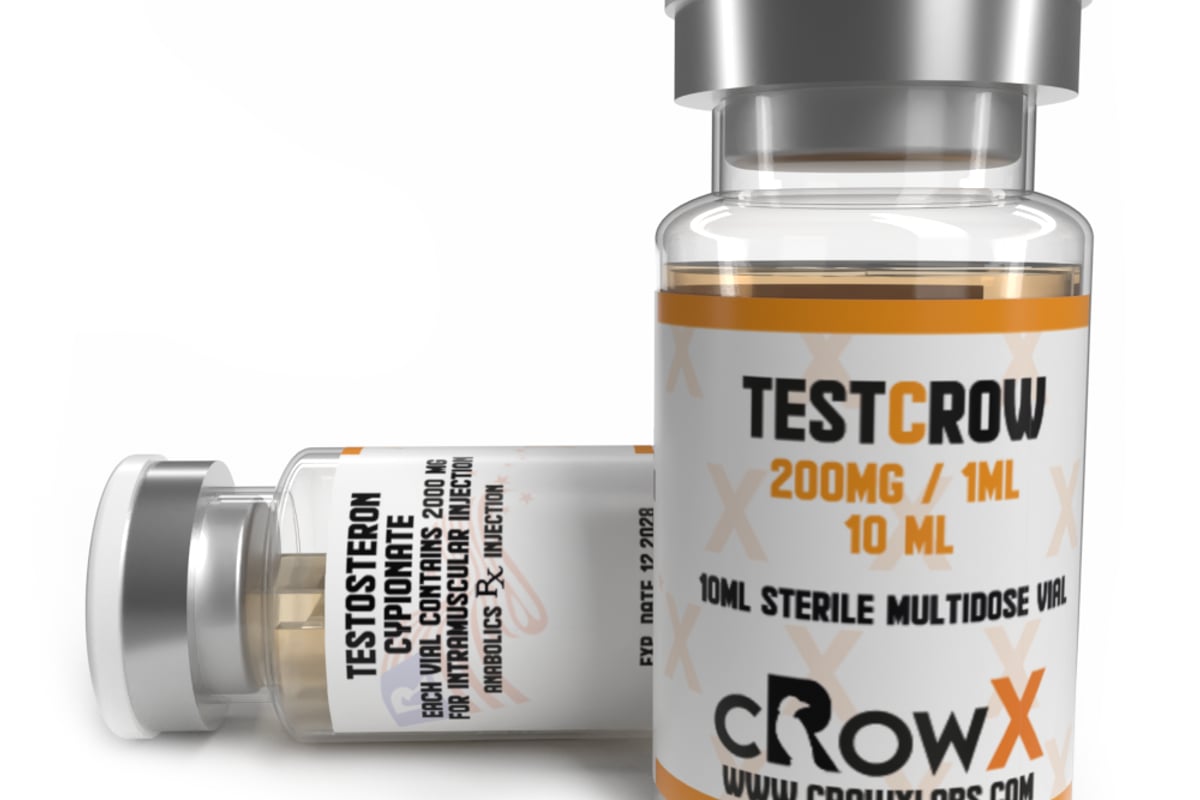
For men pursuing testosterone replacement under medical supervision, Testosterone Cypionate 200mg represents one commonly prescribed formulation. This long-acting injectable testosterone provides stable blood levels when administered according to clinical protocols, though it should only be used with proper bloodwork and physician oversight.
Available TRT formulations:
- Injectable testosterone (cypionate, enanthate) – administered weekly or biweekly
- Transdermal gels – daily application with absorption variability
- Subcutaneous pellets – implanted every 3-6 months
- Buccal tablets – applied to gums twice daily
- Nasal gels – multiple daily applications required
Each delivery method offers different advantages regarding convenience, cost, and stability of blood levels. The choice depends on individual preferences, lifestyle factors, and medical recommendations.
Monitoring and Safety Protocols
Successful treatment of testosterone depression requires ongoing monitoring to ensure both effectiveness and safety. Healthcare providers track multiple parameters throughout therapy.
The recent review addressing TRT effects on mood emphasizes the importance of regular follow-up appointments to assess treatment response and identify potential complications early.
Critical monitoring parameters include:
- Testosterone levels (ensuring therapeutic range)
- Hematocrit and hemoglobin (watching for polycythemia)
- Prostate-specific antigen (PSA) screening
- Liver function tests
- Lipid profiles
- Mood symptom assessments
Regular blood work typically occurs at 3 months, 6 months, and annually thereafter. More frequent monitoring may be necessary for men with pre-existing health conditions or those experiencing side effects.
Lifestyle Factors and Complementary Strategies
While testosterone replacement therapy can address hormonal deficiencies, comprehensive treatment of testosterone depression often includes lifestyle modifications that support both hormonal health and mental well-being.
Exercise and Physical Activity
Physical activity influences both testosterone production and mood regulation through multiple mechanisms. Resistance training particularly shows strong effects on hormonal health.

Exercise benefits for testosterone depression:
- Resistance training stimulates testosterone production
- Cardiovascular activity reduces cortisol levels
- Physical activity increases endorphin release
- Improved body composition enhances hormonal balance
- Better sleep quality supports hormone regulation
Men experiencing testosterone depression often benefit from structured exercise programs combining strength training with aerobic conditioning. Even modest increases in physical activity can provide measurable improvements in both hormonal levels and mood symptoms.
Nutritional Optimization
Diet plays a crucial role in supporting healthy testosterone production and overall mental health. Certain nutrients directly influence hormone synthesis and neurotransmitter function.
Key nutritional considerations include adequate protein intake, healthy fats (particularly omega-3 fatty acids), zinc, magnesium, and vitamin D. Caloric restriction and very low-fat diets can suppress testosterone production, potentially worsening both hormonal and mood issues.
Sleep quality deserves particular attention, as testosterone production occurs primarily during deep sleep stages. Men averaging fewer than six hours of sleep nightly often show significantly reduced testosterone levels compared to those obtaining seven to eight hours.
Individual Variation and Treatment Expectations
Response to treatment for testosterone depression varies considerably among individuals. Understanding realistic expectations helps patients make informed decisions about pursuing hormonal therapy.
Timeframes for Symptom Improvement
Different symptoms improve on varying timelines during testosterone replacement therapy. Mental health changes typically require longer than physical changes to manifest fully.
| Symptom Category | Typical Improvement Timeline | Maximum Benefit |
|---|---|---|
| Energy levels | 3-6 weeks | 3-6 months |
| Mood symptoms | 6-12 weeks | 6-12 months |
| Sexual function | 3-6 weeks | 3-6 months |
| Body composition | 12-16 weeks | 1-2 years |
| Bone density | 6 months | 2-3 years |
Patience proves essential when treating testosterone depression. Some men experience rapid mood improvements, while others require several months of stable testosterone levels before noticing significant changes in depressive symptoms.
When Testosterone Therapy May Not Suffice
Testosterone replacement alone may not fully resolve depression in all cases. Men with testosterone depression complicated by other factors often require multimodal treatment approaches.
Additional interventions might include:
- Psychotherapy (cognitive-behavioral therapy particularly effective)
- Antidepressant medications (used concurrently with TRT)
- Stress management techniques
- Treatment of underlying medical conditions
- Relationship or family counseling
The complexity of testosterone depression often demands collaboration between endocrinologists, psychiatrists, and primary care providers to address all contributing factors comprehensively.
Risk Considerations and Contraindications
While testosterone therapy offers benefits for appropriately selected patients, certain individuals face elevated risks that may outweigh potential advantages.
Absolute and Relative Contraindications
Some medical conditions preclude testosterone replacement therapy entirely, while others require enhanced monitoring and careful risk-benefit analysis.
Absolute contraindications:
- Prostate cancer or high-grade prostatic intraepithelial neoplasia
- Male breast cancer
- Uncontrolled heart failure
- Severe untreated sleep apnea
- Polycythemia (hematocrit above 54%)
Relative contraindications require individual assessment and may include benign prostatic hyperplasia with significant symptoms, elevated cardiovascular risk, and fertility concerns. Men planning to father children should explore alternative treatments, as testosterone replacement typically suppresses sperm production.
Long-Term Health Considerations
Extended testosterone use requires ongoing attention to potential health effects that may emerge over years rather than months. Cardiovascular health, prostate monitoring, and metabolic effects demand regular assessment.
Recent research continues examining the long-term cardiovascular safety profile of testosterone replacement. While early concerns about heart attack and stroke risk have been questioned by subsequent studies, men with pre-existing cardiovascular disease require particularly careful monitoring when using testosterone therapy for depression.
Research Gaps and Future Directions
Despite growing understanding of testosterone depression, significant questions remain unanswered. Ongoing research aims to clarify optimal patient selection, treatment protocols, and long-term outcomes.
Emerging Research Areas
Scientists continue investigating several critical aspects of testosterone depression that could improve clinical practice. These include genetic factors influencing individual response, optimal testosterone target ranges for mood benefits, and combination therapies that might enhance outcomes.
Questions requiring further study:
- Optimal timing – when during depression progression should testosterone be evaluated?
- Combination approaches – how does TRT interact with antidepressants and psychotherapy?
- Personalized medicine – which biomarkers predict treatment response?
- Women and testosterone – what role does testosterone play in female depression?
- Alternative interventions – can lifestyle changes alone normalize levels in borderline cases?
The field continues evolving as researchers conduct larger, better-designed trials addressing methodological limitations of earlier studies. Future guidelines will likely provide more nuanced recommendations based on expanded evidence.
Clinical Practice Evolution
As understanding of testosterone depression advances, clinical approaches continue refining. Healthcare providers increasingly recognize the importance of individualized treatment plans considering each patient’s unique combination of hormonal, psychological, and social factors.
The integration of mental health screening into endocrine care and hormonal assessment into psychiatric evaluation represents an important trend. This holistic approach acknowledges that testosterone depression rarely exists in isolation from other health and lifestyle factors.
Understanding testosterone depression requires recognizing the complex interplay between hormonal health and mental well-being, with treatment decisions based on thorough evaluation and realistic expectations. Men experiencing persistent mood changes alongside symptoms of low testosterone should pursue comprehensive diagnostic evaluation rather than self-treatment. If you’re researching testosterone-related products and health optimization strategies, 24-7.is offers information and resources to support informed decision-making about hormonal health under proper medical supervision.