

Choosing the Right Testosterone Doctor in 2026
Finding the right testosterone doctor can be the difference between effective, safe hormone therapy and a frustrating, potentially harmful experience. As awareness of testosterone deficiency grows and treatment options expand, more men are seeking specialized medical guidance for symptoms like fatigue, decreased libido, and reduced muscle mass. The challenge lies in navigating a complex healthcare landscape where not all physicians possess equal expertise in hormone optimization. Understanding what qualifies a physician to manage testosterone therapy, what to expect during evaluation, and how to select a provider who prioritizes both efficacy and safety will help you make an informed decision about your hormonal health.
Understanding Testosterone Therapy Specialization
Not every physician who can legally prescribe testosterone has the specialized knowledge to manage replacement therapy effectively. A qualified testosterone doctor typically has training in endocrinology, urology, or men’s health, with specific expertise in diagnosing and treating hypogonadism.
Medical Specialties That Treat Low Testosterone
Several medical specialties regularly manage testosterone replacement therapy (TRT), each bringing different perspectives and training backgrounds to patient care.
Endocrinologists specialize in hormone disorders and metabolic conditions. They have extensive training in the hypothalamic-pituitary-gonadal axis and understand the complex interplay between testosterone and other hormones. These specialists excel at diagnosing secondary hypogonadism caused by pituitary dysfunction or other endocrine disorders. The Endocrine Society statement on testosterone replacement therapy provides authoritative clinical practice guidance that many endocrinologists follow when evaluating and treating patients.
Urologists focus on male reproductive health and often encounter testosterone deficiency when treating erectile dysfunction, infertility, or prostate conditions. Many urologists have developed significant expertise in TRT management and may be more accessible than endocrinologists in certain regions.
Primary care physicians increasingly manage testosterone therapy, particularly in underserved areas. While they may lack specialized training, many have developed competence through continuing education and experience.

| Medical Specialty | Primary Expertise | Typical Patient Profile | Diagnostic Strength |
|---|---|---|---|
| Endocrinologist | Hormone disorders, metabolic conditions | Complex cases, secondary hypogonadism | Comprehensive hormonal evaluation |
| Urologist | Male reproductive health, genitourinary | Erectile dysfunction, fertility concerns | Reproductive function assessment |
| Primary Care Physician | General medicine, preventive care | Straightforward cases, initial evaluation | Accessible first-line screening |
| Men’s Health Specialist | Hormone optimization, wellness | Performance optimization, aging | Personalized protocol design |
Credentials and Training to Look For
When evaluating a potential testosterone doctor, specific credentials signal advanced training and ongoing commitment to the field. Board certification in endocrinology, urology, or internal medicine demonstrates foundational expertise.
Look for physicians who have completed fellowships in endocrinology or men’s health. Membership in professional organizations like the Endocrine Society, American Urological Association, or American Academy of Anti-Aging Medicine indicates ongoing education and adherence to professional standards.
Continuing medical education (CME) in hormone therapy is essential. Ask potential providers about recent training they’ve completed on testosterone management, cardiovascular safety considerations, and emerging research. The medical understanding of TRT continues to evolve, and your testosterone doctor should stay current with the latest evidence.
Comprehensive Diagnostic Evaluation
A thorough testosterone doctor conducts extensive baseline testing before initiating any treatment protocol. Proper diagnosis requires more than a single testosterone measurement taken at a random time of day.
Initial Blood Work and Testing Protocols
The diagnostic process begins with multiple blood draws performed in the early morning when testosterone levels naturally peak. According to American Urological Association clinical guidelines, diagnosis requires at least two separate morning total testosterone measurements below 300 ng/dL.
Essential baseline tests include:
- Total testosterone (minimum two measurements)
- Free testosterone or calculated bioavailable testosterone
- Sex hormone-binding globulin (SHBG)
- Luteinizing hormone (LH) and follicle-stimulating hormone (FSH)
- Prolactin
- Complete blood count (CBC)
- Comprehensive metabolic panel
- Lipid panel
- Prostate-specific antigen (PSA)
- Estradiol
Free testosterone provides crucial information about bioavailable hormone levels, since only unbound testosterone exerts physiological effects. Many men with normal total testosterone but elevated SHBG have symptoms of deficiency due to low free testosterone.
Differentiating Primary from Secondary Hypogonadism
A skilled testosterone doctor distinguishes between primary testicular failure and secondary hypogonadism originating in the pituitary or hypothalamus. This distinction fundamentally affects treatment approach and prognosis.
Primary hypogonadism shows low testosterone with elevated LH and FSH, indicating the testes cannot respond adequately to pituitary signals. Secondary hypogonadism presents with low testosterone alongside low or inappropriately normal LH and FSH, suggesting inadequate pituitary stimulation.
Secondary causes require additional investigation. The physician should evaluate for pituitary tumors, hemochromatosis, chronic opioid use, obesity, metabolic syndrome, sleep apnea, and medication effects. Addressing reversible causes may restore natural testosterone production without requiring lifelong replacement.

Treatment Options and Protocol Design
Once diagnosis confirms testosterone deficiency, a knowledgeable testosterone doctor discusses available treatment modalities and designs an individualized protocol based on patient goals, lifestyle, and medical history.
Available Testosterone Formulations
Multiple delivery systems exist for testosterone replacement, each with distinct advantages and limitations. Your testosterone doctor should explain options objectively rather than defaulting to a single preferred method.
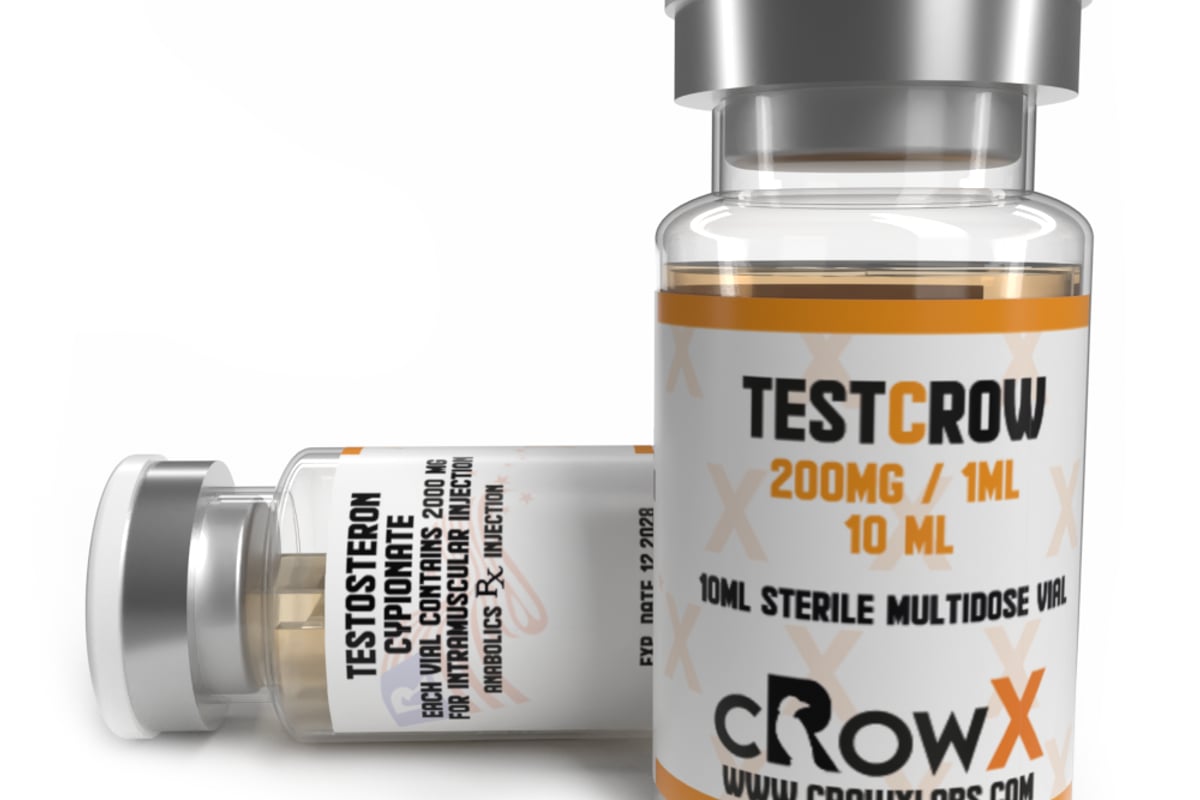
Injectable testosterone esters like testosterone cypionate and enanthate remain the most cost-effective option with predictable pharmacokinetics. Injections typically occur weekly or biweekly, though some protocols use more frequent administration to minimize peak-trough fluctuations. For instance, Testosterone Cypionate 200mg is a widely used formulation for testosterone replacement therapy that many physicians prescribe for men with clinically diagnosed low testosterone. When administered under proper medical supervision with regular monitoring, injectable testosterone provides reliable symptom relief for appropriate candidates.
Transdermal gels and patches offer daily application with steady hormone levels. They avoid injection anxiety but carry transfer risk to partners and children. Absorption varies significantly between individuals, requiring careful monitoring.
Subcutaneous pellets implanted every 3-6 months appeal to patients seeking convenience. However, they cannot be easily reversed if side effects occur, and removal requires a minor surgical procedure.
Buccal and nasal formulations provide alternatives for patients who cannot tolerate other methods, though compliance and cost present challenges.
| Formulation | Frequency | Advantages | Disadvantages | Typical Cost |
|---|---|---|---|---|
| Injectable (cypionate/enanthate) | Weekly to biweekly | Cost-effective, predictable | Requires injections, peak/trough | $$ |
| Transdermal gel | Daily | Steady levels, non-invasive | Transfer risk, variable absorption | $$$$ |
| Subcutaneous pellets | Every 3-6 months | Convenient, steady release | Surgical implant, difficult reversal | $$$$$ |
| Transdermal patch | Daily | Steady levels | Skin irritation, adhesion issues | $$$ |
| Nasal gel | Three times daily | Avoids transfer risk | Frequent dosing, nasal irritation | $$$$ |
Dosing Strategies and Titration
Initial dosing typically starts conservatively, with adjustments based on symptom response and follow-up laboratory testing. An experienced testosterone doctor avoids aggressive protocols that push testosterone into supraphysiologic ranges.
For injectable testosterone cypionate or enanthate, typical starting doses range from 75-100 mg weekly. The physician monitors trough levels (measured just before the next injection) and peak levels to ensure therapeutic range without excessive elevation.
Transdermal gels usually begin at 50 mg daily, with dose adjustments based on total and free testosterone levels measured after achieving steady state (typically 2-4 weeks).
Your testosterone doctor should explain that symptom improvement often requires 3-6 months of consistent therapy. Patients should not expect immediate dramatic changes or pursue dose escalation based on unrealistic expectations.
Monitoring and Safety Considerations
Responsible testosterone therapy requires ongoing monitoring to maximize benefits while minimizing risks. A qualified testosterone doctor establishes a structured follow-up schedule and addresses potential complications proactively.
Regular Laboratory Surveillance
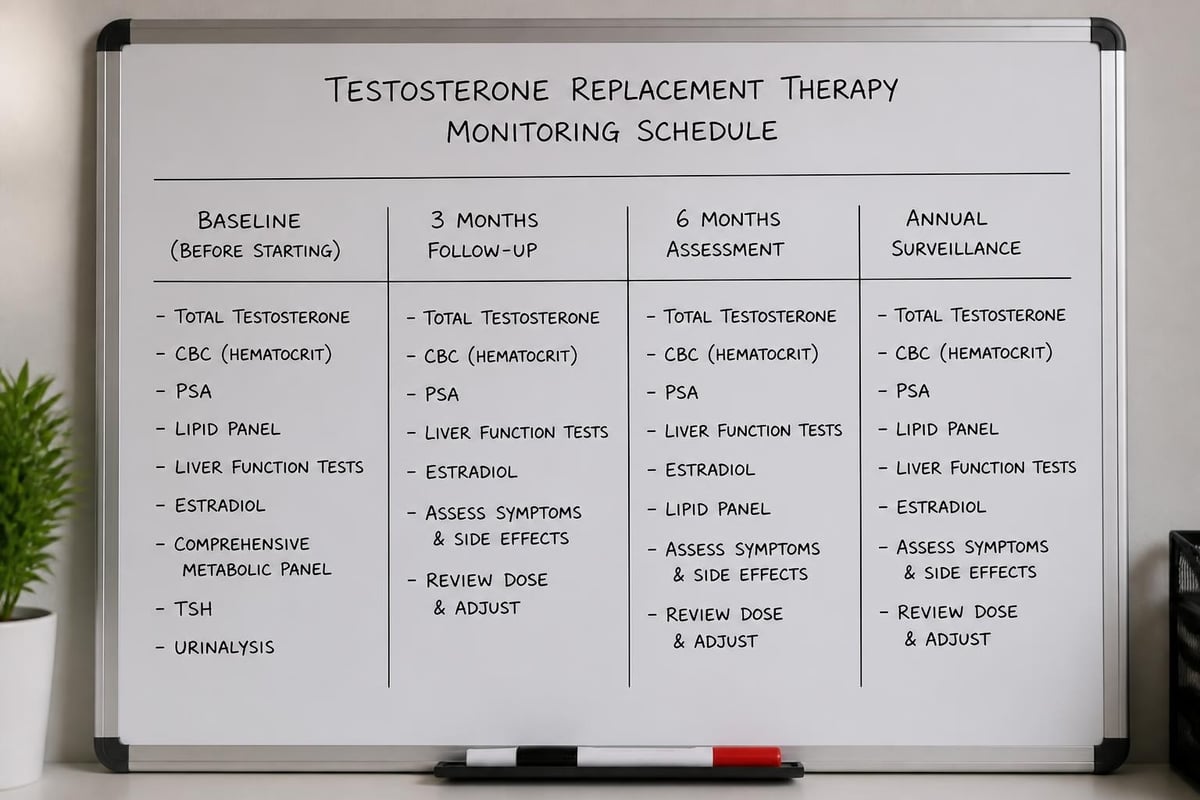
Follow-up testing typically occurs at 3 months after initiation, then every 6-12 months once stable. According to MedlinePlus drug information for testosterone, monitoring should include testosterone levels, hematocrit, PSA, liver function tests, and lipid panels.
Standard monitoring schedule:
- Three months after initiation: Total and free testosterone, complete blood count, comprehensive metabolic panel
- Six months: PSA, lipid panel, estradiol, hematocrit
- Annually (once stable): All baseline tests repeated
Hematocrit monitoring is critical because testosterone stimulates red blood cell production. Levels above 54% increase thrombotic risk and may require dose reduction or therapeutic phlebotomy.
PSA surveillance remains controversial but most guidelines recommend baseline and periodic monitoring, particularly in men over 40. Significant PSA elevation warrants urological evaluation before continuing therapy.
Cardiovascular and Metabolic Effects
Recent cardiovascular safety data has reshaped how testosterone doctors counsel patients about potential risks. The updated systematic review on cardiovascular safety of TRT provides evidence that appropriately prescribed testosterone therapy does not increase cardiovascular events in most patients.
However, certain populations require extra caution. Men with recent myocardial infarction, unstable angina, or severe heart failure may not be suitable candidates. Your testosterone doctor should conduct a thorough cardiovascular risk assessment before initiation.
Testosterone therapy favorably affects body composition, typically reducing fat mass and increasing lean muscle mass. Many patients experience improved insulin sensitivity and better glycemic control. These metabolic benefits may reduce long-term cardiovascular risk, though they should not be the primary indication for therapy.
Selecting Your Testosterone Doctor
Choosing the right physician for testosterone management requires evaluating multiple factors beyond convenience and cost. The relationship with your testosterone doctor will likely span years or decades, making compatibility and communication essential.
Questions to Ask During Consultation
A thorough initial consultation reveals much about a provider’s approach and expertise. Prepare specific questions about their diagnostic protocols, treatment philosophy, and monitoring practices.
Key questions include:
- How many patients with testosterone deficiency do you currently manage?
- What percentage of your patients use each testosterone formulation?
- How do you determine if someone is a candidate for therapy?
- What follow-up schedule do you recommend?
- How do you handle side effects or complications?
- What are your criteria for discontinuing therapy?
- Do you prescribe ancillary medications like aromatase inhibitors or hCG?
The testosterone doctor’s responses should demonstrate individualized care rather than cookie-cutter protocols. Be wary of providers who guarantee specific results or minimize potential risks.
Red Flags and Warning Signs
Certain practices signal inadequate expertise or questionable ethics. A testosterone doctor who prescribes therapy based on symptoms alone without proper laboratory confirmation ignores fundamental diagnostic standards.
Warning signs to avoid:
- Single testosterone measurement or no repeat testing
- Treatment without documenting total testosterone below 300 ng/dL on multiple occasions
- Supraphysiologic dosing protocols without medical justification
- No baseline PSA or hematocrit testing
- Infrequent or absent follow-up monitoring
- Resistance to adjusting treatment based on lab results
- Promoting testosterone for anti-aging or performance enhancement in men with normal levels
- Concurrent prescribing of multiple anabolic steroids without medical indication
The AAFP review on testosterone replacement for sexual dysfunction emphasizes shared decision-making and realistic expectations. Your testosterone doctor should engage in balanced discussions about potential benefits and harms.
Insurance Coverage and Cost Considerations
Testosterone therapy costs vary dramatically depending on formulation, insurance coverage, and pharmacy options. A transparent testosterone doctor discusses financial considerations upfront and helps patients navigate coverage issues.
Most insurance plans cover testosterone replacement for documented hypogonadism but require prior authorization. Generic injectable testosterone remains the most affordable option, often costing under $50 monthly with insurance. Branded formulations like gels may cost $300-500 monthly even with coverage.
Ask about cash-pay pricing, compound pharmacy options, and patient assistance programs. Some practices offer bundled pricing that includes medication, monitoring, and follow-up visits.
Special Populations and Considerations
Certain patient groups require modified approaches to testosterone therapy. An experienced testosterone doctor recognizes these nuances and adjusts protocols accordingly.
Fertility Preservation
Testosterone replacement therapy suppresses the hypothalamic-pituitary-gonadal axis, reducing or eliminating sperm production. Men desiring future fertility require alternative approaches.
Your testosterone doctor should discuss fertility goals during initial evaluation. Options include:
- Banking sperm before starting therapy
- Using human chorionic gonadotropin (hCG) and selective estrogen receptor modulators (SERMs) instead of exogenous testosterone
- Co-administering hCG with testosterone to maintain intratesticular testosterone
- Planning temporary discontinuation when conception is desired
Recovery of spermatogenesis after stopping testosterone therapy is unpredictable. Some men regain fertility within months, while others experience prolonged or permanent suppression.
Gender-Affirming Hormone Therapy
Testosterone plays a central role in masculinizing hormone therapy for transgender and gender-diverse individuals. The approach differs significantly from cisgender male hypogonadism treatment. The UCSF guidelines for gender-affirming care provide comprehensive recommendations on testosterone dosing, monitoring, and titration for transgender patients.
A testosterone doctor providing gender-affirming care should understand:
- Target testosterone ranges differ from cisgender male replacement (typically 400-700 ng/dL versus 300-1000 ng/dL)
- Masculinization timeline and realistic expectations for voice changes, facial hair, muscle development
- Cardiovascular and metabolic monitoring in this population
- Screening for gender dysphoria relief and mental health support
- Management during potential pregnancy (testosterone is contraindicated in pregnancy)
Culturally competent care requires using correct pronouns, respecting chosen names, and creating an affirming clinical environment.
Aging and Testosterone Therapy
Testosterone levels naturally decline with age, approximately 1-2% annually after age 30. However, age-related decline alone does not constitute pathological hypogonadism requiring treatment.
An ethical testosterone doctor distinguishes between normal aging and true deficiency. The comprehensive evidence synthesis on TRT examines effectiveness and safety considerations relevant to older men, including prostate cancer surveillance and cardiovascular risk stratification.
Older men may derive particular benefit from testosterone therapy when true deficiency exists, experiencing improved bone density, muscle mass, and functional capacity. However, they also face higher baseline cardiovascular risk and require more intensive monitoring.
Selecting a qualified testosterone doctor represents a critical decision that impacts your health, safety, and treatment outcomes for years to come. Prioritize providers with specialized training, comprehensive diagnostic protocols, and commitment to ongoing monitoring over convenience or aggressive marketing claims. When you’re ready to explore testosterone replacement therapy with products that meet pharmaceutical standards, 24-7.is offers a range of testosterone formulations and related compounds. Always use these products under qualified medical supervision with appropriate testing and follow-up care to ensure both safety and effectiveness.