

Testosterone Mood Changes: Science and Management Guide
Hormonal fluctuations can significantly impact mental well-being, and testosterone mood changes represent one of the most documented yet frequently misunderstood aspects of male endocrinology. Men with low testosterone often report irritability, depression, and reduced motivation, while those undergoing testosterone therapy may experience dramatic improvements in emotional stability. Understanding the relationship between testosterone levels and psychological health requires examining both the biological mechanisms and clinical evidence that connect hormonal status to mood regulation.
The Biological Foundation of Testosterone Mood Changes
Testosterone operates as more than a reproductive hormone. It functions as a neuroactive steroid with profound effects on brain chemistry and emotional processing. Research published in Nature Reviews Endocrinology highlights testosterone’s influence on neuroplasticity and brain health, demonstrating how this hormone modulates neurotransmitter systems responsible for mood regulation.
The hormone crosses the blood-brain barrier and binds to androgen receptors throughout the central nervous system. These receptors concentrate heavily in regions governing emotion, including the amygdala, hippocampus, and prefrontal cortex. When testosterone levels decline, these neural circuits experience reduced activation, potentially triggering mood disturbances.
Neurotransmitter Pathways Affected by Testosterone
Multiple neurotransmitter systems respond to testosterone fluctuations:
- Serotonin: Testosterone enhances serotonin receptor density and activity, improving mood stability and reducing depressive symptoms
- Dopamine: The hormone supports dopaminergic transmission in reward pathways, influencing motivation and pleasure response
- GABA: Testosterone metabolites interact with GABA receptors, contributing to anxiety regulation and stress response
- Norepinephrine: Hormonal status affects noradrenergic tone, impacting energy levels and emotional reactivity

Changes in testosterone availability directly alter neurotransmitter balance. Men with clinically low testosterone often exhibit reduced serotonergic activity, which manifests as depressive symptoms, irritability, and emotional blunting. The systematic review of testosterone therapy’s psychiatric effects confirms these neurochemical relationships through clinical trial data.
Clinical Manifestations of Testosterone-Related Mood Disorders
Testosterone mood changes present with distinctive patterns that clinicians recognize as part of hypogonadal syndromes. The emotional symptoms differ from primary psychiatric disorders in their onset, progression, and response to hormonal intervention.
Depression and Low Testosterone
Major depressive disorder associated with testosterone deficiency exhibits specific characteristics. Men report persistent sadness, anhedonia, and hopelessness that correlate with documented hormonal insufficiency. A comprehensive review on testosterone and depression outlines the bidirectional relationship between these conditions.
The presentation includes:
- Mood symptoms: Persistent low mood, tearfulness, reduced enjoyment of previously pleasurable activities
- Cognitive changes: Difficulty concentrating, indecisiveness, mental fog
- Physical manifestations: Fatigue, reduced energy, sleep disturbances
- Motivational deficits: Decreased drive, loss of competitive spirit, reduced ambition
- Social withdrawal: Isolation, reduced interest in relationships and social activities
These symptoms typically develop gradually as testosterone declines, unlike the more acute onset seen in primary psychiatric depression. The distinction matters because testosterone-related mood changes often respond to hormonal treatment rather than conventional antidepressants alone.
Irritability and Emotional Lability
Low testosterone frequently produces irritability that men describe as being “on edge” or having a “short fuse.” This symptom reflects altered stress response systems and reduced emotional regulation capacity. Partners and family members often notice personality changes before the affected individual recognizes the shift.
| Mood Symptom | With Normal Testosterone | With Low Testosterone |
|---|---|---|
| Stress tolerance | Resilient, adaptive | Quick to frustrate, overwhelmed |
| Emotional range | Full spectrum, appropriate | Restricted, blunted |
| Interpersonal patience | Considerate, measured | Irritable, reactive |
| Conflict response | Problem-solving oriented | Avoidant or aggressive |
| Daily mood stability | Consistent, predictable | Variable, unpredictable |
Evidence from Clinical Trials on Testosterone and Mood
Large-scale randomized controlled trials provide the strongest evidence for testosterone mood changes and their reversibility with appropriate treatment. The TRAVERSE trial published in 2024 represents the most comprehensive recent investigation into testosterone replacement therapy effects on depressive symptoms, energy, and cognitive function.
TRAVERSE Trial Findings
This multicenter study enrolled men with documented hypogonadism and assessed multiple psychological outcomes. Participants receiving testosterone therapy demonstrated statistically significant improvements in depressive symptom scores compared to placebo groups. The effect size proved clinically meaningful, with many men reporting substantial quality-of-life enhancements.
Key outcomes included:
- Reduction in depression screening scores by 20-30% over 12 months
- Improved energy levels and reduced fatigue
- Enhanced cognitive function, particularly executive processing
- Better overall psychological well-being ratings
- Maintained benefits throughout the treatment period
The trial also documented safety profiles, finding that properly monitored testosterone therapy produced mood benefits without unacceptable psychiatric adverse events. This evidence supports the physiological basis of testosterone mood changes.

Meta-Analyses and Systematic Reviews
Beyond individual trials, meta-analytic evidence synthesizes findings across multiple studies. Researchers consistently identify mood improvement as a reproducible outcome of testosterone therapy in hypogonadal men. Effect sizes vary based on baseline testosterone levels, with the most substantial benefits occurring in men with severely suppressed hormonal status.
The pattern emerging from collective evidence suggests:
- Men with testosterone below 300 ng/dL show greatest mood response to therapy
- Improvements typically begin within 3-6 weeks of treatment initiation
- Maximal psychiatric benefits develop over 3-6 months
- Sustained treatment maintains emotional stability improvements
- Discontinuation may trigger return of depressive symptoms
Diagnostic Considerations for Testosterone-Related Mood Changes
Identifying testosterone as a contributing factor in mood disturbances requires systematic evaluation. The Endocrine Society clinical practice guidelines on testosterone therapy provide standardized approaches to assessment and diagnosis.
Laboratory Testing Requirements
Proper diagnosis demands specific laboratory protocols:
- Morning blood draws: Testosterone levels peak in early morning, requiring collection between 7-11 AM
- Multiple measurements: Confirming low testosterone requires two separate tests showing values below normal range
- Total and free testosterone: Both measurements provide diagnostic value
- Additional hormones: LH, FSH, prolactin, and estradiol help determine etiology
- Metabolic screening: Glucose, lipids, and liver function assess overall health status
Threshold values for diagnosis:
| Testosterone Measure | Normal Range | Low (Hypogonadal) | Treatment Consideration |
|---|---|---|---|
| Total testosterone | 300-1000 ng/dL | Below 300 ng/dL | Strong indication |
| Free testosterone | 5-21 ng/dL | Below 5 ng/dL | Confirms bioavailable deficiency |
| Calculated bioavailable | Age-dependent | Below reference | Assesses biologically active hormone |
Psychiatric Assessment Integration
Comprehensive evaluation includes psychiatric screening to distinguish testosterone mood changes from primary mental health disorders. Clinicians utilize validated instruments such as the Patient Health Questionnaire (PHQ-9) and Beck Depression Inventory alongside hormonal testing.
The assessment should explore:
- Onset and progression of symptoms relative to potential testosterone decline
- Family and personal psychiatric history
- Previous responses to antidepressant medications
- Concurrent medical conditions affecting hormone production
- Medication use that may suppress testosterone
- Lifestyle factors contributing to both mood and hormonal status
Treatment Approaches for Testosterone-Associated Mood Symptoms
Managing testosterone mood changes requires individualized strategies based on confirmed hormonal deficiency, symptom severity, and patient-specific factors. The American Urological Association guideline on testosterone deficiency offers evidence-based management recommendations.
Testosterone Replacement Therapy Options
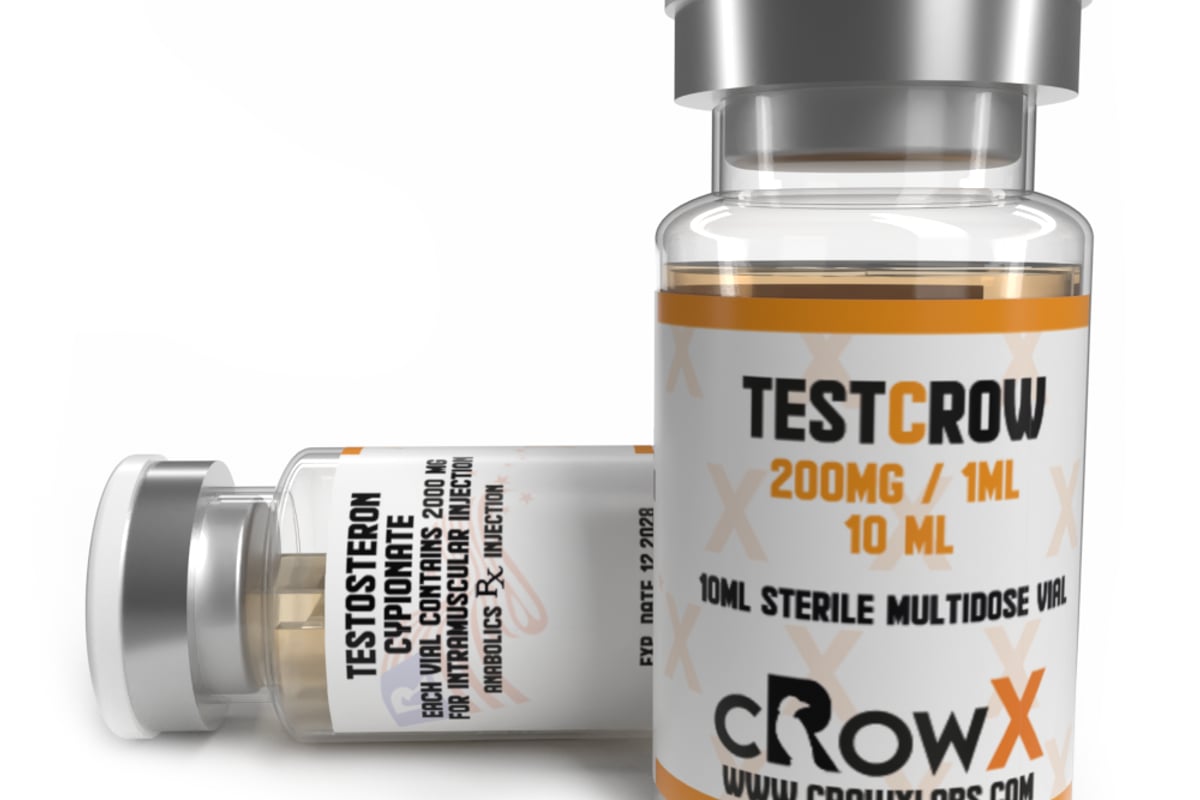
Multiple delivery systems provide testosterone supplementation. For men seeking testosterone replacement, Testosterone Cypionate 200mg represents one formulation available through medical channels. Each delivery method has distinct pharmacokinetic profiles affecting mood stability.
Available formulation types:
- Injectable testosterone esters (cypionate, enanthate): Administered weekly or biweekly, providing sustained release
- Transdermal gels and solutions: Daily application with steady absorption
- Subcutaneous pellets: Implanted every 3-6 months for long-duration delivery
- Buccal systems: Applied to gums twice daily
- Nasal formulations: Multiple daily applications
Selection depends on patient preference, lifestyle factors, and ability to maintain consistent dosing schedules. Injectable forms often provide most reliable symptom control for testosterone mood changes due to predictable pharmacokinetics.
Monitoring and Optimization
Successful management requires ongoing assessment and dosage adjustment. Physicians typically schedule follow-up evaluations at:
- 3-6 weeks after initiation: Early response assessment
- 3 months: First comprehensive review with bloodwork
- 6 months: Evaluation of maximal mood benefits
- Annually thereafter: Long-term monitoring
Optimization targets testosterone levels in the mid-normal range (500-700 ng/dL) for most men, though individual response varies. Some men report optimal mood at higher levels within the physiological range, while others achieve symptom resolution at lower targets.
Risk Factors for Testosterone-Driven Mood Disturbances
Certain populations experience higher vulnerability to testosterone mood changes. Identifying these risk factors helps predict who may benefit most from hormonal evaluation when presenting with depressive symptoms.
Age-Related Testosterone Decline
Testosterone production decreases approximately 1-2% annually after age 30. This gradual decline becomes clinically significant in some men during their 40s and 50s. The emotional impact of age-related testosterone reduction varies widely based on baseline levels, lifestyle factors, and individual sensitivity to hormonal changes.
Men experiencing symptomatic age-related decline often report:
- Gradual onset of fatigue and reduced stamina
- Declining motivation and competitive drive
- Mood changes coinciding with physical changes
- Relationship stress related to emotional distance
- Reduced resilience to daily stressors
Medical Conditions Affecting Testosterone Production
Numerous health conditions suppress testosterone synthesis or increase metabolic clearance:
- Obesity: Adipose tissue converts testosterone to estrogen, creating hormonal imbalance
- Type 2 diabetes: Insulin resistance correlates with reduced testosterone production
- Chronic opioid use: Opioid medications suppress the hypothalamic-pituitary-gonadal axis
- Pituitary disorders: Tumors or dysfunction reduce luteinizing hormone secretion
- Testicular conditions: Direct gonadal damage or genetic disorders
- Chronic illness: Systemic diseases including kidney disease, liver cirrhosis, HIV/AIDS

These conditions warrant testosterone screening when patients present with mood symptoms, particularly if multiple risk factors coexist.
The Role of Supraphysiological Testosterone Use
While therapeutic testosterone replacement addresses deficiency-related mood changes, some individuals use supraphysiological doses of anabolic steroids. This practice introduces different psychological effects and risks.
Psychological Effects of High-Dose Testosterone
Research documents distinct mood patterns with testosterone levels exceeding normal physiological range:
- Initial euphoria: Many users report enhanced confidence and well-being during early high-dose phases
- Increased irritability: “Roid rage” represents real phenomenon in susceptible individuals
- Mood cycling: Emotions fluctuate with dosing schedules and hormonal peaks/troughs
- Withdrawal depression: Cessation triggers mood crashes as endogenous production remains suppressed
- Dependency patterns: Psychological reliance on hormonal enhancement for emotional stability
The 2026 Endocrine Society statement on testosterone replacement therapy emphasizes that supraphysiological use falls outside medically supervised therapy and carries substantially higher risks.
Managing Post-Cycle Mood Disturbances
Individuals discontinuing supraphysiological testosterone experience predictable mood crashes. The hypothalamic-pituitary-gonadal axis remains suppressed for weeks to months after cessation, creating temporary hypogonadism even in previously healthy men.
Recovery strategies include:
- Post-cycle therapy protocols: Using selective estrogen receptor modulators or human chorionic gonadotropin to stimulate endogenous production
- Psychiatric support: Addressing depression and mood instability during recovery
- Lifestyle optimization: Sleep, nutrition, exercise, and stress management
- Patience: Allowing natural hormonal axis recovery over several months
- Medical monitoring: Regular testing to confirm production restoration
Lifestyle Factors Influencing Testosterone and Mood
Beyond medical interventions, modifiable lifestyle factors significantly impact both testosterone levels and mood stability. These elements work synergistically with hormonal status to determine overall emotional well-being.
Exercise and Physical Activity
Regular exercise provides dual benefits for testosterone mood changes. Resistance training and high-intensity interval training stimulate acute testosterone release while improving mood through multiple mechanisms. Men engaging in consistent strength training maintain higher testosterone levels compared to sedentary peers.
Exercise recommendations for hormonal optimization:
| Exercise Type | Frequency | Duration | Intensity | Testosterone Impact |
|---|---|---|---|---|
| Resistance training | 3-4x weekly | 45-60 min | 70-85% 1RM | High acute spike, sustained elevation |
| HIIT cardio | 2-3x weekly | 20-30 min | 85-95% max HR | Moderate acute response |
| Moderate cardio | 3-5x weekly | 30-45 min | 60-70% max HR | Minimal hormonal impact, mood benefit |
| Flexibility/recovery | Daily | 10-20 min | Low | Stress reduction, cortisol management |
Overtraining produces opposite effects, elevating cortisol and suppressing testosterone. Balanced programming with adequate recovery maximizes both hormonal and psychological benefits.
Sleep Quality and Duration
Sleep deprivation dramatically reduces testosterone production. Men sleeping less than five hours nightly show testosterone levels 10-15% lower than those sleeping seven to nine hours. Poor sleep quality also directly worsens mood independent of hormonal effects, creating compounding negative impacts.
Sleep optimization strategies include:
- Maintaining consistent sleep-wake schedules, even on weekends
- Creating dark, cool bedroom environments (65-68°F optimal)
- Limiting screen exposure two hours before bedtime
- Avoiding caffeine after early afternoon
- Implementing relaxation routines to facilitate sleep onset
- Treating sleep disorders such as obstructive sleep apnea
Nutritional Considerations
Dietary patterns influence testosterone synthesis and mood regulation through multiple pathways. Severe caloric restriction suppresses hormonal production, while specific nutrient deficiencies impair steroidogenesis.
Key nutritional factors:
- Adequate dietary fat (25-35% of calories) provides cholesterol substrate for hormone synthesis
- Sufficient protein intake (0.7-1.0 g/lb body weight) supports lean mass maintenance
- Micronutrients including zinc, magnesium, and vitamin D serve as cofactors in testosterone production
- Antioxidant-rich foods combat oxidative stress affecting testicular function
- Moderate alcohol consumption (excessive intake suppresses testosterone)
Individual Variability in Testosterone Mood Response
Not all men with low testosterone experience significant mood symptoms, and not all men with depression have testosterone deficiency. This variability reflects complex interactions between hormonal status, genetic factors, stress exposure, and psychological resilience.
Genetic Polymorphisms Affecting Response
Androgen receptor gene variations influence how sensitively tissues respond to testosterone. Men with more sensitive receptors may maintain normal mood function despite lower testosterone levels, while those with less responsive receptors require higher concentrations to achieve similar psychological benefits.
Other genetic factors include:
- Aromatase enzyme variants affecting testosterone-to-estrogen conversion
- 5-alpha reductase polymorphisms altering dihydrotestosterone production
- Neurotransmitter receptor variations modifying mood circuitry sensitivity
- Stress response gene differences impacting cortisol regulation
Psychological and Social Context
Testosterone mood changes manifest within broader life circumstances. Men experiencing significant psychosocial stressors, relationship conflicts, or occupational pressures may attribute symptoms to hormonal factors when multiple contributors exist. Comprehensive management addresses both biological and psychosocial dimensions.
Optimal outcomes result from integrated approaches combining:
- Appropriate hormonal therapy when indicated by laboratory confirmation
- Psychotherapy or counseling for stress management and coping skills
- Lifestyle modifications addressing sleep, exercise, and nutrition
- Social support network engagement
- Treatment of comorbid medical conditions
- Realistic expectation-setting about treatment timelines and outcomes
Safety Considerations and Adverse Effects
While testosterone therapy effectively addresses deficiency-related mood symptoms, treatment carries potential risks requiring informed decision-making and medical supervision. Understanding these considerations enables balanced risk-benefit analysis.
Cardiovascular Considerations
Recent large-scale trials provide reassuring cardiovascular safety data for appropriately prescribed testosterone therapy. However, men with existing cardiovascular disease, uncontrolled hypertension, or significant risk factors require careful evaluation and monitoring.
The TRAVERSE trial specifically examined cardiovascular outcomes, finding no significant increase in major adverse cardiac events with testosterone therapy compared to placebo. This evidence counters earlier concerns based on smaller studies.
Hematologic Effects
Testosterone stimulates erythropoiesis, increasing red blood cell production. While this corrects anemia in some men, excessive elevation creates hyperviscosity risks. Monitoring includes:
- Baseline complete blood count before initiating therapy
- Follow-up hematocrit measurements at 3-6 month intervals
- Dose adjustment or therapeutic phlebotomy if hematocrit exceeds 54%
- Evaluation for sleep apnea if polycythemia develops (hypoxia stimulates erythropoiesis)
Prostate Health Monitoring
Testosterone therapy requires prostate monitoring according to established guidelines. Digital rectal examination and prostate-specific antigen (PSA) testing occur at baseline and periodically during treatment. Existing prostate cancer represents an absolute contraindication to testosterone supplementation.
Understanding testosterone mood changes requires integrating biochemical knowledge, clinical evidence, and individualized assessment to address hormonal contributions to emotional well-being. Whether experiencing subtle shifts or significant depressive symptoms, men with documented testosterone deficiency may benefit substantially from appropriate intervention combining medical treatment and lifestyle optimization. If you’re considering testosterone therapy or need access to quality testosterone products, 24-7.is provides pharmaceutical-grade options to support your hormonal health goals under proper medical supervision.