


Testosterone Fat Loss: How T Levels Impact Body Composition
The relationship between testosterone and body composition has become a focal point in metabolic health research, particularly as rates of obesity and metabolic syndrome continue to climb. Understanding testosterone fat loss mechanisms reveals how this critical hormone influences where your body stores fat, how efficiently you burn calories, and your overall metabolic health. For men struggling with weight management, low testosterone may be more than just a symptom-it could be a contributing factor to stubborn fat accumulation and difficulty building lean muscle mass.
The Science Behind Testosterone Fat Loss Connection
Testosterone plays a fundamental role in regulating body composition through multiple physiological pathways. This anabolic hormone directly influences how your body partitions nutrients between fat storage and muscle growth, making it a key player in metabolic function.
How Testosterone Regulates Fat Distribution
Men with healthy testosterone levels typically store less visceral fat-the dangerous type that accumulates around internal organs. Testosterone inhibits the differentiation of stem cells into fat cells while simultaneously promoting muscle cell development. When testosterone levels drop, this protective mechanism weakens, allowing fat cells to proliferate more easily.
The hormone also affects where fat accumulates on the body. Low testosterone correlates with increased abdominal obesity and reduced subcutaneous fat in the limbs. This shift in fat distribution carries significant health implications:
- Higher cardiovascular disease risk
- Increased insulin resistance
- Greater inflammation markers
- Elevated metabolic syndrome prevalence

Metabolic Rate and Energy Expenditure
Testosterone fat loss benefits extend beyond simple fat storage patterns. The hormone significantly impacts your resting metabolic rate-the calories you burn at rest. Men with low testosterone often experience a measurable reduction in metabolic effects that can compound weight gain over time.
Higher testosterone levels support greater lean muscle mass, and muscle tissue burns more calories than fat tissue even during rest. This creates a positive metabolic cycle: adequate testosterone helps build muscle, which increases daily calorie expenditure, which helps prevent fat accumulation.
| Metabolic Factor | Normal Testosterone | Low Testosterone |
|---|---|---|
| Resting Metabolic Rate | Higher baseline | 10-15% reduction |
| Muscle Mass Retention | Optimal | Decreased |
| Fat Oxidation | Enhanced | Impaired |
| Insulin Sensitivity | Maintained | Reduced |
The Bidirectional Relationship: Obesity and Testosterone
Understanding testosterone fat loss requires recognizing that the relationship runs both ways. Low testosterone can contribute to weight gain, but excess body fat actively suppresses testosterone production, creating a challenging metabolic cycle.
How Excess Fat Suppresses Testosterone
Adipose tissue, particularly visceral fat, contains high concentrations of aromatase enzyme. This enzyme converts testosterone into estradiol, effectively reducing circulating testosterone levels. The more fat tissue a man carries, the more testosterone gets converted to estrogen.
Additionally, obesity-related inflammation and insulin resistance further disrupt the hypothalamic-pituitary-gonadal axis, reducing the signals that trigger testosterone production. This phenomenon, known as male obesity-related secondary hypogonadism (MOSH), affects millions of men worldwide.
Research on managing obesity-related hyponadism demonstrates that weight loss alone can sometimes restore testosterone levels to normal ranges, particularly in younger men without other underlying conditions.
Breaking the Cycle
The cyclical nature of low testosterone and obesity means intervention must address both components simultaneously. Weight loss improves testosterone production, while optimizing testosterone levels makes fat loss more achievable. Recent studies examining sex differences in testosterone response to weight loss show that the degree of testosterone recovery varies based on the method and magnitude of weight loss.
Lifestyle Strategies to Optimize Testosterone Fat Loss
Before considering pharmaceutical interventions, implementing evidence-based lifestyle modifications can significantly impact both testosterone levels and body composition. These foundational strategies work synergistically to enhance natural hormone production.
Resistance Training and Exercise
Strength training provides dual benefits for testosterone fat loss goals. Heavy compound movements-squats, deadlifts, presses-trigger acute testosterone release while building the muscle mass that supports long-term metabolic health.
Optimal training protocols include:
- Compound exercises targeting multiple muscle groups
- Moderate to heavy loads (75-85% of one-rep max)
- Adequate rest between sessions (48-72 hours for major muscle groups)
- Progressive overload to continuously challenge the body
- High-intensity interval training for additional metabolic benefits
Exercise volume matters more than you might think. Overtraining can suppress testosterone, while insufficient training fails to trigger the hormonal response needed for adaptation. Finding the right balance maximizes testosterone fat loss results.
Nutritional Considerations
Diet composition directly influences testosterone production and fat metabolism. Chronic caloric restriction suppresses testosterone, yet maintaining excess body fat keeps levels depressed. The solution lies in strategic nutrition that supports hormone production while creating the deficit needed for fat loss.
Key nutritional factors:
- Adequate dietary fat intake (25-35% of total calories)
- Sufficient protein to preserve muscle during fat loss (1.6-2.2g per kg bodyweight)
- Micronutrient sufficiency, particularly zinc, magnesium, and vitamin D
- Moderate carbohydrate intake to support training intensity
- Avoiding extreme caloric deficits (no more than 20-25% below maintenance)
| Nutrient | Role in Testosterone | Impact on Fat Loss |
|---|---|---|
| Monounsaturated Fats | Cholesterol substrate for hormone synthesis | Supports satiety, reduces inflammation |
| Zinc | Cofactor in testosterone production | Immune function, metabolic support |
| Vitamin D | Regulates steroidogenic enzymes | Insulin sensitivity, muscle function |
| Protein | Preserves lean mass | High thermic effect, appetite control |

Sleep and Stress Management
Testosterone production follows a circadian rhythm, with the majority of daily production occurring during deep sleep. Men who consistently sleep fewer than six hours per night experience significantly lower testosterone levels than those getting seven to nine hours.
Chronic stress elevates cortisol, which antagonizes testosterone production and promotes visceral fat storage. The comprehensive review on obesity, type 2 diabetes and testosterone in aging men highlights how stress hormones interfere with the metabolic benefits of testosterone.
When to Consider Testosterone Replacement Therapy
For some men, lifestyle modifications alone may not sufficiently restore testosterone levels or enable effective fat loss. Clinical testosterone replacement therapy (TRT) becomes a consideration when blood tests confirm consistently low levels and symptoms significantly impact quality of life.
Clinical Criteria and Diagnosis
Proper diagnosis requires more than a single blood test. The Endocrine Society guidance on testosterone replacement therapy emphasizes the importance of multiple morning measurements combined with clinical symptom evaluation.
Diagnostic criteria include:
- Two or more morning testosterone measurements below 300 ng/dL
- Consistent symptoms (fatigue, reduced libido, difficulty losing fat, decreased muscle mass)
- Ruling out reversible causes (medications, acute illness, sleep disorders)
- Comprehensive metabolic and cardiovascular screening
- Realistic expectations about benefits and risks
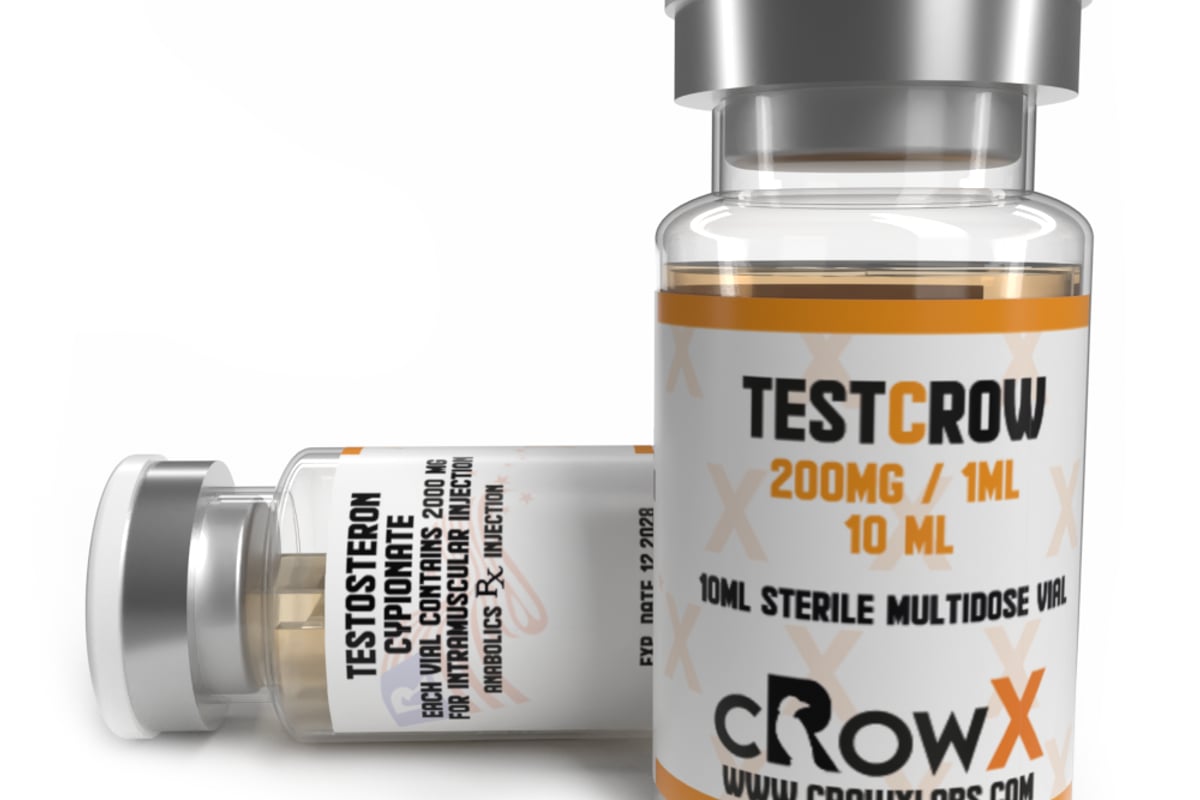
Men experiencing difficulty with weight management alongside other low testosterone symptoms should discuss testing with a qualified healthcare provider. For those diagnosed with clinical hypogonadism, Testosterone Cypionate 200mg represents one commonly prescribed form of replacement therapy, though such treatment requires ongoing medical supervision and monitoring.
Expected Outcomes for Body Composition
Clinical studies demonstrate that testosterone replacement in hypogonadal men produces measurable improvements in body composition over 6-12 months. Typical changes include:
- Fat mass reduction of 2-4 kg
- Lean mass increase of 1-3 kg
- Decreased waist circumference
- Improved insulin sensitivity
- Better lipid profiles
These testosterone fat loss benefits occur more pronounced in men with obesity and metabolic dysfunction compared to lean hypogonadal men. The magnitude of change depends on baseline testosterone levels, degree of deficiency, adherence to therapy, and concurrent lifestyle factors.
Monitoring Progress and Adjusting Approach
Optimizing testosterone fat loss outcomes requires systematic tracking and willingness to adjust strategies based on results. Both subjective improvements and objective measurements matter.
Key Metrics to Track
Hormonal markers:
- Total testosterone (morning fasted measurement)
- Free testosterone (bioavailable fraction)
- Estradiol (to monitor conversion)
- Sex hormone-binding globulin (SHBG)
- Luteinizing hormone and follicle-stimulating hormone (if not on TRT)
Body composition indicators:
- Scale weight (daily average over week)
- Waist circumference at navel
- Body fat percentage (via DEXA, BodPod, or consistent method)
- Progress photos in consistent lighting
- Strength performance on key lifts
- Energy levels and recovery capacity
Timeline Expectations
Testosterone fat loss results don’t appear overnight. Natural optimization through lifestyle changes typically requires 8-12 weeks before meaningful improvements manifest. Men starting TRT may notice changes earlier, with some benefits emerging within 4-6 weeks, though body composition changes take longer.
Typical timeline:
| Timeframe | Expected Changes |
|---|---|
| 0-4 weeks | Improved energy, libido, mood |
| 4-8 weeks | Strength gains, better recovery |
| 8-12 weeks | Visible fat loss, muscle definition |
| 12-24 weeks | Significant body recomposition |
| 6+ months | Metabolic improvements, maintained results |

Common Mistakes That Undermine Results
Many men pursuing testosterone fat loss make predictable errors that slow progress or create new problems. Avoiding these pitfalls accelerates results and maintains long-term health.
Overreliance on Supplementation
The supplement industry markets countless products claiming to boost testosterone naturally. While some compounds show modest effects in specific populations (vitamin D in deficient individuals, zinc in athletes with inadequate intake), most over-the-counter testosterone boosters produce minimal real-world impact.
Reality check on common supplements:
- D-aspartic acid: Minimal effect in men with normal testosterone
- Tribulus terrestris: No significant testosterone increase in research
- Fenugreek: Modest improvements in some studies, inconsistent results
- DHEA: Slight increases possible, but with potential side effects
Money spent on unproven supplements could be better invested in quality food, gym membership, or professional coaching.
Ignoring the Foundation
Some men seek pharmaceutical solutions while neglecting basic lifestyle factors. A sedentary man who sleeps five hours nightly and eats processed food won’t achieve optimal testosterone fat loss results even with TRT. Hormones work in concert with lifestyle, not instead of it.
The foundation always matters:
- Consistent resistance training
- Adequate protein and micronutrient intake
- Seven to nine hours of quality sleep
- Stress management practices
- Avoidance of excessive alcohol
Unrealistic Timelines and Expectations
Modern diet culture promotes rapid transformation promises that don’t align with physiological reality. Sustainable testosterone fat loss occurs gradually, with realistic targets being 0.5-1% of body weight lost per week while preserving or building muscle mass.
Men expecting dramatic changes in weeks often become discouraged and abandon effective strategies prematurely. Patience combined with consistent execution produces better outcomes than aggressive approaches followed by burnout.
Individual Variation and Personalization
Not every man responds identically to testosterone optimization strategies. Genetic factors, age, baseline condition, and compliance all influence results. Understanding your individual response patterns allows for smarter adjustments.
Age-Related Considerations
Testosterone naturally declines approximately 1-2% per year after age 30. Younger men with low testosterone often have reversible causes (obesity, stress, poor sleep) that respond well to lifestyle intervention. Older men may face age-related primary hypogonadism requiring medical treatment for optimization.
The testosterone fat loss relationship also differs by age. Younger men typically experience more robust hormonal recovery with weight loss, while older men may require more aggressive intervention to achieve similar results.
Baseline Testosterone Levels Matter
Men starting with severely suppressed testosterone (below 200 ng/dL) often experience more dramatic improvements from optimization compared to those in the low-normal range (300-400 ng/dL). This doesn’t diminish the value of optimization for men in the gray zone, but it does affect timeline and magnitude expectations.
Metabolic Health Status
Men with established metabolic syndrome, type 2 diabetes, or significant obesity face additional challenges in testosterone fat loss pursuits. These conditions create hormonal resistance and inflammatory environments that slow progress. However, addressing these factors simultaneously-improving insulin sensitivity while optimizing testosterone-can produce synergistic benefits that exceed isolated interventions.
Maintaining Results Long-Term
Achieving testosterone fat loss goals represents just the first phase. Maintaining improved body composition and hormonal health requires sustainable practices rather than extreme measures.
Transition from Fat Loss to Maintenance
Once you reach your target body composition, shifting to maintenance prevents the metabolic adaptation and hormonal suppression that often follow aggressive dieting. This transition involves:
- Gradually increasing caloric intake to match expenditure
- Continuing resistance training to preserve muscle mass
- Monitoring testosterone levels to ensure stability
- Adjusting training volume and intensity for recovery
- Implementing periodic diet breaks or refeeds
Men on TRT must continue treatment indefinitely to maintain benefits, as endogenous production typically remains suppressed. Those who optimized naturally through lifestyle need to maintain the practices that restored their levels.
Sustainable Habits Over Temporary Fixes
The most successful testosterone fat loss outcomes come from building habits you can sustain for years, not months. This means:
- Finding training styles you genuinely enjoy
- Eating patterns that fit your lifestyle and preferences
- Sleep schedules compatible with work and family obligations
- Stress management techniques you’ll actually use
- Social support systems that reinforce healthy choices
Sustainable vs. Unsustainable Approaches:
| Sustainable | Unsustainable |
|---|---|
| 3-5 training sessions weekly | Daily two-hour workouts |
| Flexible nutrition with food preferences | Restrictive elimination diets |
| Consistent 7-8 hour sleep schedule | Extreme sleep deprivation |
| Moderate caloric deficit (20%) | Crash diets (50%+ deficit) |
| Regular monitoring and adjustment | Set-it-and-forget-it mentality |
Safety Considerations and Medical Supervision
Pursuing testosterone fat loss through medical intervention carries potential risks that require professional oversight. Self-administration of hormones without proper testing, dosing, and monitoring can cause serious health complications.
Risks of Unsupervised Testosterone Use
Men who obtain testosterone through unregulated sources and self-administer without medical supervision face multiple dangers:
- Cardiovascular complications (elevated hematocrit, blood pressure changes)
- Testicular atrophy and fertility impairment
- Prostate concerns in susceptible individuals
- Mood and behavioral changes
- Suppression of natural production requiring permanent replacement
Proper medical supervision includes baseline health screening, appropriate dosing, regular blood work monitoring, and ongoing assessment of benefits versus risks.
Working with Qualified Providers
Testosterone replacement therapy should be prescribed and monitored by physicians experienced in hormone management. This includes:
- Initial comprehensive health evaluation
- Cardiovascular risk assessment
- Prostate screening (PSA, digital rectal exam)
- Regular monitoring of hematocrit and hemoglobin
- Periodic assessment of liver and kidney function
- Evaluation of treatment response and side effects
Quality medical care optimizes testosterone fat loss benefits while minimizing potential complications through appropriate patient selection and ongoing monitoring.
Optimizing testosterone levels offers meaningful benefits for men struggling with body composition challenges, but success requires a comprehensive approach combining lifestyle fundamentals with appropriate medical intervention when indicated. Whether pursuing natural optimization through training, nutrition, and recovery, or working with a physician on testosterone replacement therapy, the key lies in consistency, patience, and evidence-based strategies. For those considering pharmaceutical-grade testosterone products, 24-7.is provides access to quality options, though such products should always be used under proper medical supervision with regular monitoring to ensure both effectiveness and safety.





