Testosterone Hair Loss: Causes, Prevention & Treatment
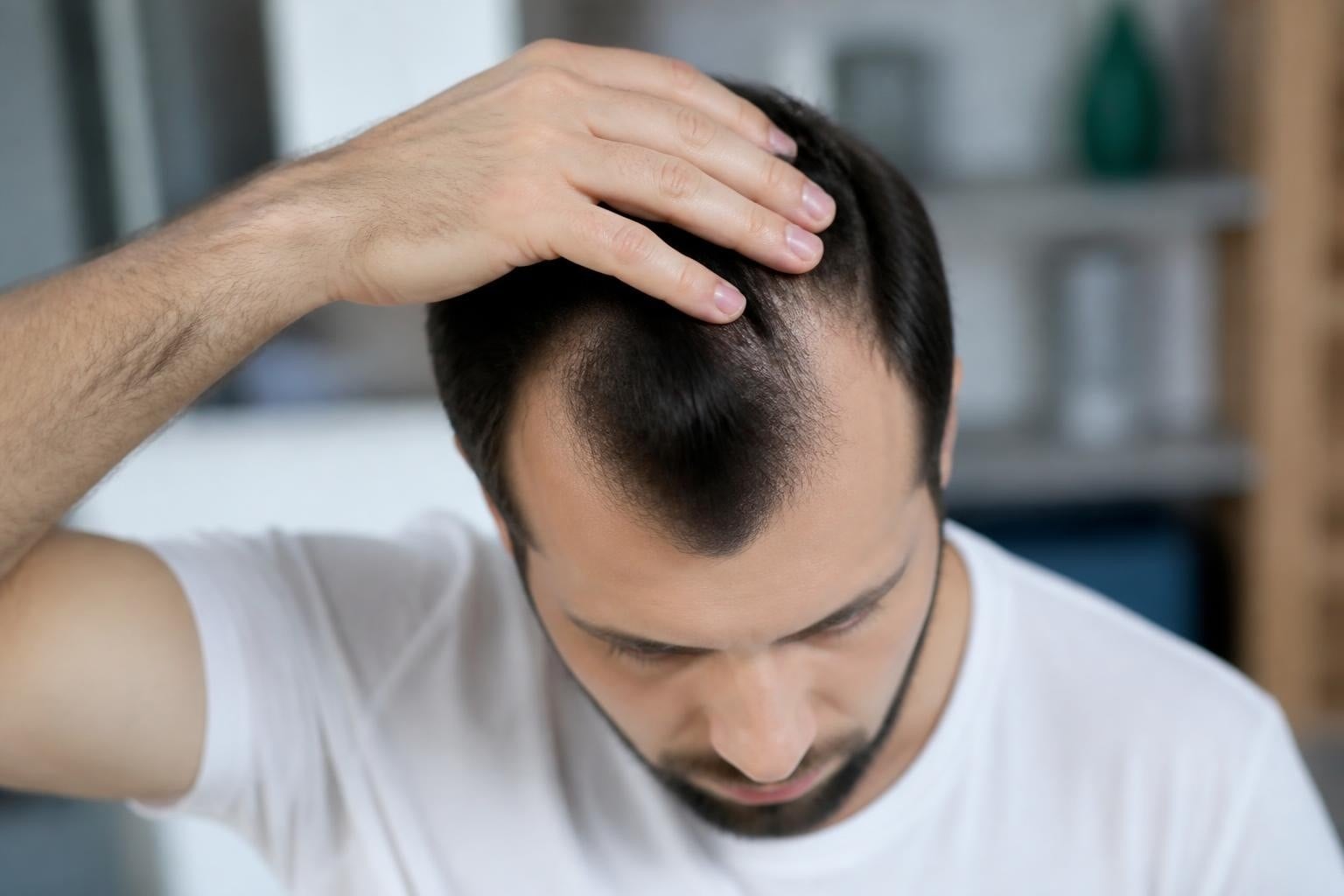
Testosterone hair loss remains one of the most misunderstood aspects of androgenic hormone use and natural hormonal balance. While testosterone itself doesn’t directly cause baldness, its metabolite dihydrotestosterone (DHT) plays a central role in the hair follicle miniaturization process that leads to pattern baldness. Understanding this relationship is essential for anyone using anabolic steroids, undergoing testosterone replacement therapy, or experiencing age-related hormonal changes. The science behind testosterone hair loss involves complex interactions between hormones, genetics, and follicle sensitivity that determine who loses hair and how quickly the process unfolds.
The Science Behind Testosterone Hair Loss
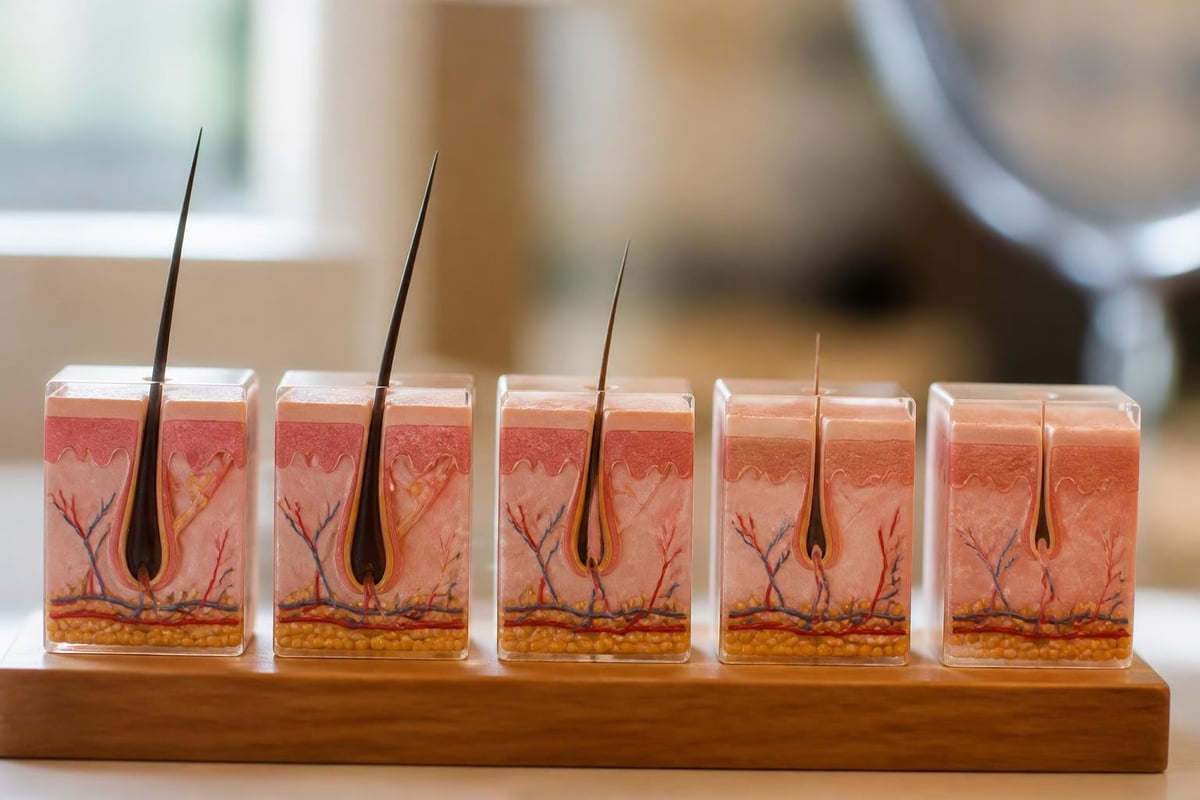
The relationship between testosterone and hair loss centers on an enzyme called 5-alpha reductase, which converts testosterone into DHT. This more potent androgen binds to receptors in genetically susceptible hair follicles, particularly those on the scalp’s vertex and frontal regions. Over time, DHT causes follicle miniaturization, shrinking healthy terminal hairs into progressively thinner vellus hairs until follicles eventually stop producing visible hair altogether.
Not everyone experiences testosterone hair loss at the same rate or severity. Genetic factors determine follicle sensitivity to DHT, explaining why some men maintain full heads of hair into old age while others begin balding in their twenties. The androgen receptor gene, inherited primarily from the maternal side, plays a significant role in this susceptibility.
DHT Production and Follicle Sensitivity
Two types of 5-alpha reductase exist in the body, each contributing differently to testosterone hair loss:
- Type I 5-alpha reductase: Found primarily in sebaceous glands and skin
- Type II 5-alpha reductase: Concentrated in hair follicles and prostate tissue
- Type III 5-alpha reductase: Present in various tissues with less understood hair loss impact
The conversion rate varies by individual based on enzyme concentrations and genetic expression. Men using exogenous testosterone through replacement therapy or anabolic steroids may accelerate this conversion, particularly if they’re already genetically predisposed to pattern baldness.
The Hair Growth Cycle and Androgenic Impact
Understanding testosterone hair loss requires knowledge of the three-phase hair growth cycle. The anagen phase represents active growth lasting two to seven years. The catagen phase involves a two-week transitional period. Finally, the telogen phase consists of a three-month resting period before the follicle sheds and restarts the cycle.
DHT progressively shortens the anagen phase in susceptible follicles. Each successive growth cycle produces finer, shorter hairs until follicles enter a prolonged telogen state. This explains why testosterone hair loss appears gradual rather than sudden, with thinning occurring over months and years.
Risk Factors for Testosterone-Related Hair Loss
Several factors beyond simple testosterone levels determine whether someone will experience significant hair loss. Genetics remains the dominant predictor, but environmental and lifestyle factors modulate expression.
| Risk Factor | Impact Level | Modifiable |
|---|---|---|
| Family history of pattern baldness | Very High | No |
| Exogenous testosterone use | High | Yes |
| Age over 30 | Moderate-High | No |
| High 5-AR enzyme expression | High | Limited |
| Stress and cortisol elevation | Moderate | Yes |
| Nutritional deficiencies | Low-Moderate | Yes |
Age represents a non-modifiable risk factor that intersects with testosterone hair loss. Natural testosterone levels typically peak in the late twenties, but DHT sensitivity increases with age. Men in their thirties and forties often notice accelerated thinning even with stable hormone levels.
Anabolic Steroid Use and Accelerated Hair Loss
Users of anabolic steroids face particularly acute risks for testosterone hair loss. Supraphysiological doses of testosterone and other androgens flood the system with substrate for DHT conversion. Different compounds carry varying risks based on their androgenic ratings and resistance to 5-alpha reductase.
Highly androgenic steroids like trenbolone, masteron, and proviron pose significant hair loss risks for susceptible individuals. These compounds either convert readily to potent metabolites or already possess strong androgen receptor binding affinity. Conversely, anabolic compounds like oxandrolone or nandrolone may present lower hair loss risks, though individual responses vary considerably.
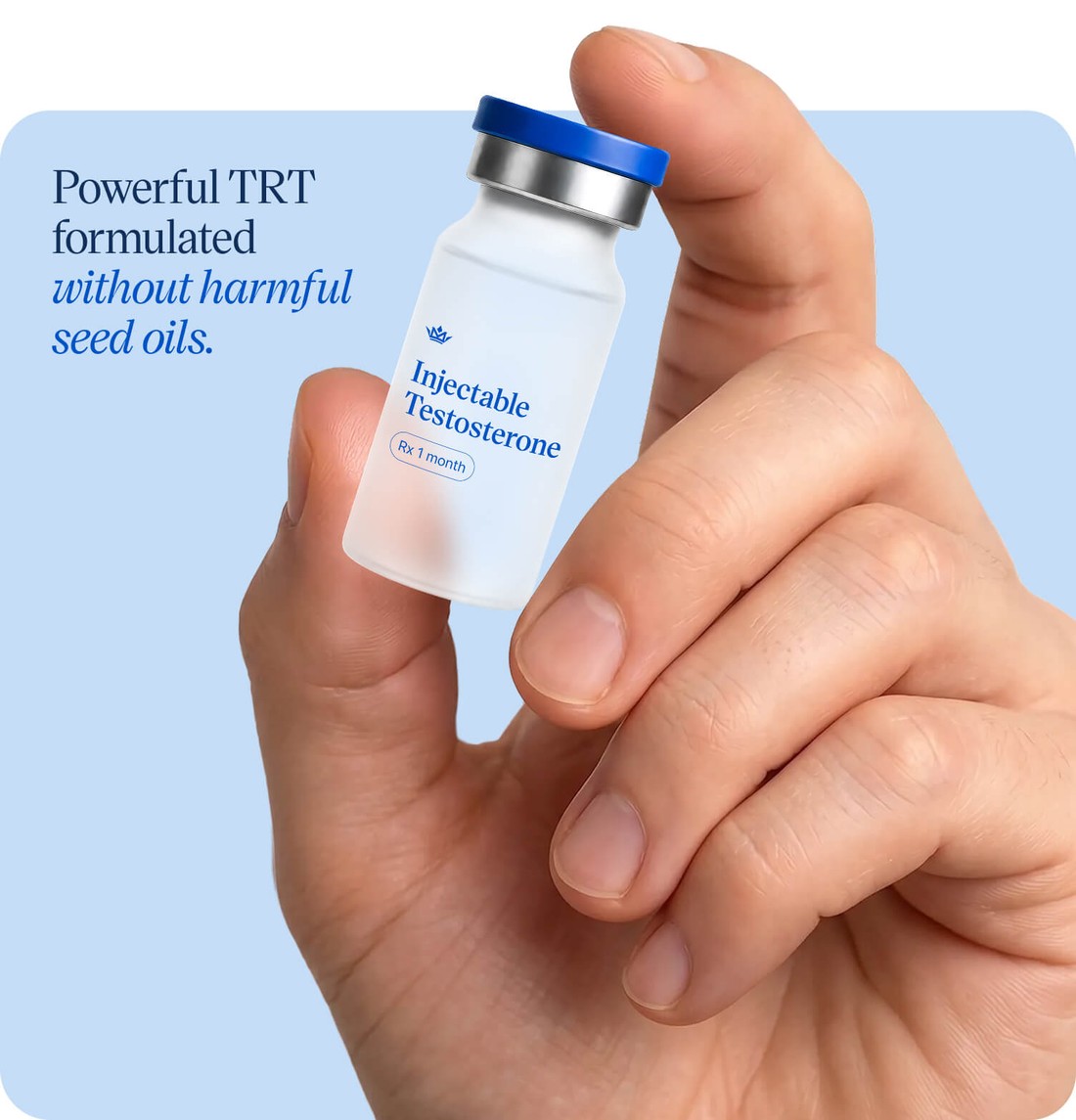
Those using testosterone for medical purposes should monitor their response carefully. Testosterone Cypionate 200mg represents a commonly prescribed ester for replacement therapy, delivering steady hormone levels when administered appropriately under medical supervision with proper bloodwork monitoring to maintain physiological ranges rather than supraphysiological doses.
Evidence-Based Treatment Approaches
Multiple treatment options exist for managing testosterone hair loss, each with distinct mechanisms, efficacy profiles, and side effect considerations. The most effective strategies combine pharmacological interventions with practical hair care measures.
5-Alpha Reductase Inhibitors
Finasteride and dutasteride represent the gold standard pharmaceutical interventions for testosterone hair loss. These medications block the enzyme responsible for converting testosterone to DHT, reducing scalp DHT levels by 60-70% (finasteride) or 90-95% (dutasteride).
Finasteride received FDA approval for androgenetic alopecia at 1mg daily dosing. Clinical trials demonstrated that approximately 90% of men stabilize hair loss, while 65% experience measurable regrowth after one year. Research comparing these two agents suggests dutasteride may offer superior efficacy for some patients, though it carries a longer half-life and potentially higher side effect risk.
The official prescribing information details important safety considerations including potential sexual side effects in approximately 1-2% of users. Most side effects resolve with discontinuation, though some men report persistent symptoms requiring medical evaluation.

Topical Minoxidil Therapy
Minoxidil represents the most widely used over-the-counter treatment for testosterone hair loss. Available in 2% and 5% formulations, this vasodilator extends the anagen growth phase and increases follicle size. Evidence from systematic reviews confirms effectiveness in both male and female pattern hair loss.
Application requires twice-daily consistency for optimal results. Users typically observe initial shedding during the first month as miniaturized hairs enter telogen before stronger hairs emerge. Visible improvements generally appear after four months, with peak results at twelve months.
Key considerations for minoxidil therapy:
- Requires indefinite continuation to maintain benefits
- Works best on vertex rather than frontal hairline
- Foam formulations may reduce scalp irritation versus liquid
- Response varies based on individual follicle sensitivity
- Can complement 5-alpha reductase inhibitors
Advanced Treatment Options
Beyond first-line therapies, several additional interventions address testosterone hair loss through different mechanisms. Low-level laser therapy (LLLT) devices received FDA clearance based on evidence of increased hair density and thickness. These at-home devices require consistent use but carry minimal side effects.
Platelet-rich plasma (PRP) injections represent an emerging option gaining clinical support. This procedure concentrates growth factors from the patient’s own blood and injects them into thinning areas. Treatment protocols typically involve monthly sessions for three to four months, followed by maintenance treatments every three to six months.
Surgical Hair Restoration Considerations
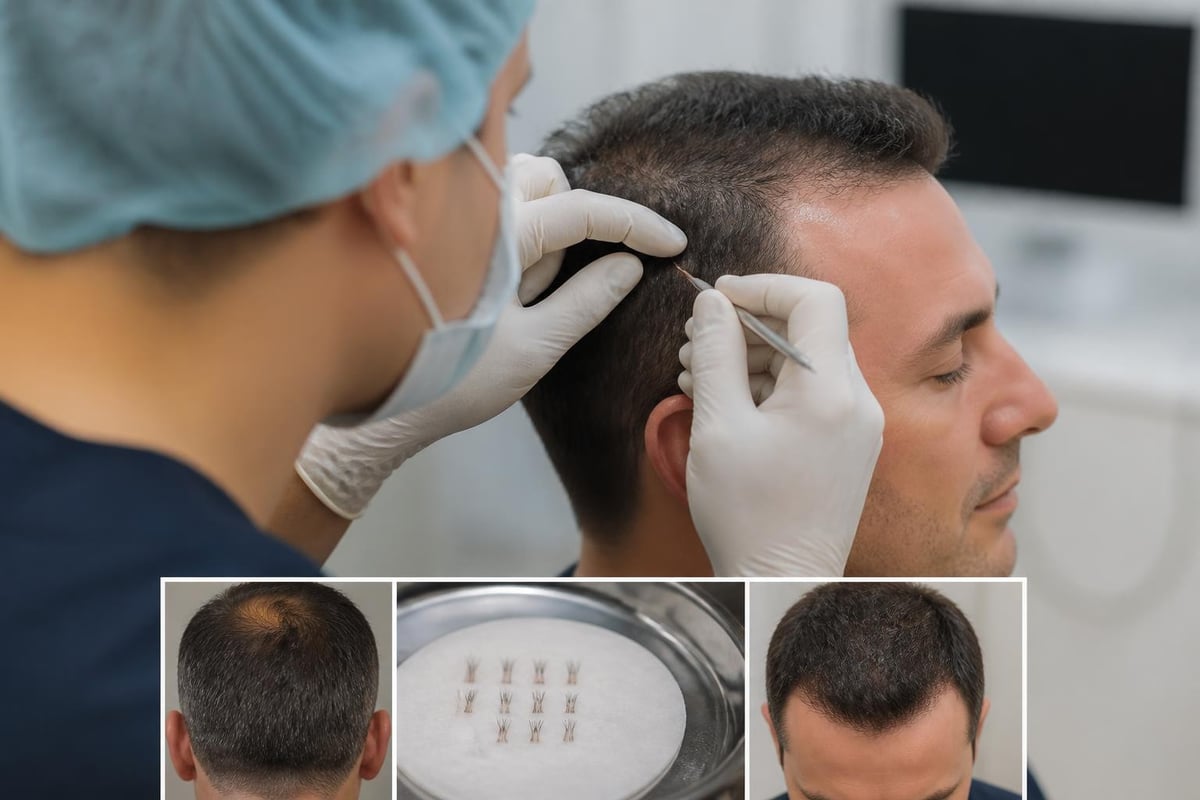
For individuals with established testosterone hair loss who desire permanent solutions, surgical hair transplantation offers reliable outcomes when performed by qualified surgeons. Modern techniques have evolved significantly beyond the “hair plug” procedures of previous decades.
Follicular Unit Transplantation Techniques
Two primary surgical approaches dominate current practice:
Follicular Unit Transplantation (FUT) involves harvesting a strip of scalp from the donor area, dissecting it into individual follicular units, and transplanting them to thinning regions. This method maximizes graft numbers but leaves a linear scar.
Follicular Unit Extraction (FUE) extracts individual follicular units directly from the donor area using small punch tools. Recovery time decreases compared to strip harvesting, and scarring remains minimal and dispersed. However, the procedure takes longer and may yield fewer total grafts per session.
The International Society of Hair Restoration Surgery guidelines emphasize realistic expectations and appropriate candidate selection. Ideal candidates possess sufficient donor hair density, realistic expectations about outcomes, and stable pattern loss rather than rapidly progressing testosterone hair loss.
| Consideration | FUT Strip Method | FUE Individual Extraction |
|---|---|---|
| Grafts per session | 2,000-4,000+ | 1,500-3,000 |
| Procedure time | 4-6 hours | 6-10 hours |
| Recovery period | 10-14 days | 5-7 days |
| Scarring visibility | Linear scar | Minimal dots |
| Cost range | $4,000-$15,000 | $6,000-$20,000 |
Post-Transplant Medical Therapy
Surgical restoration doesn’t prevent continued testosterone hair loss in non-transplanted native hair. Most surgeons recommend combining procedures with finasteride or dutasteride to preserve existing follicles. Transplanted hairs typically come from DHT-resistant donor zones and should remain permanent, but surrounding native hair requires ongoing protection.
Prevention Strategies for At-Risk Individuals
Those aware of genetic predisposition or planning testosterone use can implement preventive measures before significant testosterone hair loss occurs. Early intervention typically yields better long-term outcomes than attempting to reverse advanced miniaturization.
Proactive Medical Intervention
Starting finasteride or dutasteride before visible thinning begins represents the most effective prevention strategy. Men with strong family histories of early-onset pattern baldness might consider baseline evaluation in their mid-twenties. Dermatologists can assess miniaturization patterns using dermoscopy and establish treatment plans before cosmetically significant loss develops.
Combining 5-alpha reductase inhibition with topical minoxidil from the outset provides synergistic benefits. This dual approach addresses both DHT reduction and direct follicle stimulation. Clinical guidance from the American Academy of Dermatology supports combination therapy for enhanced outcomes.
Lifestyle and Nutritional Factors
While genetics and DHT drive testosterone hair loss primarily, optimizing overall health supports maximum hair retention. Specific considerations include:
- Adequate protein intake (1.2-1.6g per kg body weight) provides building blocks for keratin synthesis
- Iron and ferritin optimization ensures proper follicle function, particularly important for women
- Biotin, zinc, and vitamin D support various aspects of hair health, though deficiency correction matters more than megadosing
- Stress management reduces cortisol-mediated hair follicle damage and telogen effluvium
- Scalp health maintenance through gentle cleansing prevents inflammatory conditions that compound androgenic hair loss
Smoking cessation deserves particular emphasis, as tobacco use significantly accelerates testosterone hair loss through vascular constriction and oxidative damage. Studies demonstrate that smokers experience earlier onset and more severe pattern baldness compared to non-smokers with similar genetic profiles.
Special Considerations for Steroid Users
Individuals using anabolic steroids for performance enhancement or bodybuilding face unique challenges regarding testosterone hair loss. The supraphysiological androgen levels inherent to these regimens dramatically accelerate follicle miniaturization in susceptible users.
Compound Selection and Hair Loss Risk
Strategic compound selection can minimize hair loss risk without completely eliminating it. Understanding the androgenic profile of different steroids helps users make informed decisions:
Lower hair loss risk compounds:
- Testosterone at replacement doses (100-200mg weekly)
- Nandrolone derivatives (deca-durabolin, NPP)
- Oxandrolone (anavar)
- Methenolone (primobolan)
Higher hair loss risk compounds:
- Testosterone at supraphysiological doses (500mg+ weekly)
- Trenbolone (all esters)
- Drostanolone (masteron)
- Mesterolone (proviron)
- Stanozolol (winstrol)
- All DHT derivatives
Even supposedly “hair-safe” compounds can trigger testosterone hair loss in highly susceptible individuals. Genetics ultimately determine individual response more than compound selection alone.
Concurrent Medical Therapy During Cycles
Many steroid users employ finasteride or dutasteride during cycles to mitigate hair loss. However, this approach carries important caveats. These medications only block conversion of testosterone to DHT; they don’t affect steroids that don’t convert or that are already DHT derivatives.
For trenbolone, masteron, or other non-converting compounds, 5-alpha reductase inhibitors provide no hair protection. Users of these substances must accept hair loss risk or avoid them entirely. Some opt for topical anti-androgens like RU58841 (research chemical, not FDA approved) or receptor-blocking strategies, though evidence for these approaches remains limited and safety profiles uncertain.
Realistic Expectations and Timeline
Understanding realistic outcomes and timeframes prevents disappointment when addressing testosterone hair loss. Both pharmaceutical and surgical interventions require patience and consistent adherence.
Treatment Response Timeline
Most medical treatments follow predictable response patterns:
Months 0-3: Initial adjustment period, possible temporary shedding as miniaturized hairs cycle out. No visible improvement expected.
Months 3-6: Shedding stabilizes, new growth begins but remains imperceptible without close measurement. Users often feel discouraged during this phase.
Months 6-12: Visible improvements emerge for responders. Hair density increases gradually. This period separates responders from non-responders.
Months 12-24: Peak results achieved. Further improvements unlikely after two years. Continued treatment maintains gains.
Patient information resources emphasize that stabilization of existing hair represents success even without significant regrowth. Preventing further testosterone hair loss often matters more than reversing years of accumulated damage.
Individual Variation in Treatment Response
Response to any intervention varies considerably between individuals. Approximately 10-15% of men taking finasteride experience no benefit, while another 10-15% achieve dramatic regrowth. The majority fall somewhere between these extremes, maintaining existing hair with modest density improvements.
Factors influencing treatment response include:
- Duration of hair loss before starting treatment
- Degree of existing miniaturization in affected follicles
- Age at treatment initiation (younger generally better)
- Genetic factors affecting drug metabolism and receptor sensitivity
- Treatment adherence and consistency over time
Combination therapy typically improves response rates compared to monotherapy. Adding minoxidil to finasteride increases the percentage of men experiencing visible regrowth from approximately 65% to 80% in clinical studies.
Monitoring Progress and Adjusting Strategies
Systematic documentation helps track whether interventions effectively manage testosterone hair loss. Subjective impressions often prove unreliable, particularly given the slow pace of change.
Objective Measurement Techniques
Professional evaluation methods include standardized photography under consistent lighting, hair count measurements in defined scalp areas, and hair diameter measurements using specialized instruments. At-home monitoring can involve:
- Monthly photographs from identical angles under consistent lighting
- Hair pull tests counting hairs shed during standardized gentle tugging
- Daily shed counts during showering or brushing (normal range 50-100 hairs)
- Scalp examination for miniaturization patterns at the hairline and vertex
Comparing images from six and twelve months prior provides more reliable assessment than week-to-week observation. Many men perceive ongoing loss when treatments have actually stabilized shedding, leading to premature treatment discontinuation.
When to Modify Treatment Approaches
Clear treatment failure warrants strategy revision. Indications for changing approach include:
- Continued progressive thinning after 12 months on finasteride
- Intolerable side effects from current medications
- Inadequate response to monotherapy suggesting need for combination treatment
- New hair loss in previously unaffected areas
- Diffuse thinning suggesting non-androgenic causes requiring evaluation
Before abandoning treatments, ensure adequate trial duration and consistent adherence. Missing doses of finasteride regularly or applying minoxidil haphazardly prevents fair assessment of true efficacy.
Managing testosterone hair loss effectively requires understanding the underlying biochemistry, implementing evidence-based interventions early, and maintaining realistic expectations about outcomes. Whether you’re experiencing natural age-related thinning or acceleration from hormone therapy, combining DHT reduction strategies with follicle stimulation offers the strongest results. For those seeking testosterone products for legitimate medical purposes, 24-7.is provides pharmaceutical-grade options alongside comprehensive information to help you make informed decisions about hormone therapy and its potential effects on hair health.