

Testosterone Gynecomastia: Causes and Management
Testosterone gynecomastia represents one of the most frequently encountered side effects among individuals using exogenous testosterone or anabolic steroids. This condition occurs when testosterone converts to estrogen through a process called aromatization, leading to the development of breast tissue in males. Understanding the underlying mechanisms, risk factors, and management strategies is essential for anyone considering or currently using testosterone-based compounds. While testosterone itself is an androgen that promotes masculine characteristics, the body’s natural regulatory systems can transform it into estrogen, creating an unexpected hormonal imbalance that manifests as enlarged breast tissue.
The Biochemistry Behind Testosterone Gynecomastia
Testosterone gynecomastia develops through a complex endocrine process centered on the enzyme aromatase. This enzyme, found throughout the body but particularly concentrated in adipose tissue, converts testosterone molecules into estradiol, the primary form of estrogen. When testosterone levels rise significantly above physiological ranges, aromatase activity increases proportionally, producing excess estrogen that stimulates breast tissue growth.
The balance between androgens and estrogens determines whether gynecomastia develops. Even with elevated testosterone, if estrogen levels rise disproportionately, the estrogenic effects dominate at breast tissue receptors. This explains why some individuals experience testosterone gynecomastia even while maintaining high testosterone levels.

Aromatization Rates and Individual Variation
Not everyone who uses testosterone experiences gynecomastia. Individual aromatization rates vary based on several factors:
- Body composition: Higher body fat percentages increase aromatase enzyme concentration
- Genetic polymorphisms: Variations in aromatase gene expression affect conversion efficiency
- Dosage and administration: Higher testosterone doses provide more substrate for aromatization
- Duration of use: Prolonged exposure increases cumulative estrogen production
- Age-related factors: Aromatase activity changes across the lifespan
Research published in the clinical overview of gynecomastia demonstrates that hormonal imbalances involving both estrogen excess and androgen deficiency contribute to breast tissue proliferation. In testosterone users, the paradox emerges that high androgens can coexist with high estrogens, creating conditions favorable for gynecomastia development.
Risk Factors and Prevalence
Testosterone gynecomastia affects users of both therapeutic testosterone replacement and supraphysiological doses common in bodybuilding contexts. The prevalence varies widely depending on dosage, concurrent medications, and individual susceptibility factors.
| Risk Factor | Impact Level | Explanation |
|---|---|---|
| High testosterone doses | Very High | More substrate for aromatization |
| Obesity (>25% body fat) | High | Increased aromatase in adipose tissue |
| Concurrent aromatizing compounds | High | Additive estrogenic effects |
| No estrogen management | Very High | Unopposed estrogen accumulation |
| Genetic predisposition | Moderate | Familial aromatase variations |
| Liver dysfunction | Moderate | Impaired estrogen metabolism |
The timing of testosterone gynecomastia onset varies considerably. Some individuals notice symptoms within weeks of initiating testosterone, while others develop the condition after months or years of use. Early intervention correlates with better outcomes, as established fibrous breast tissue becomes progressively resistant to medical management.
Compound-Specific Considerations
Different testosterone esters and related compounds carry varying gynecomastia risks. Testosterone preparations that produce sharp peaks in blood levels may trigger more pronounced aromatization compared to those maintaining stable concentrations. Additionally, certain anabolic steroids derived from testosterone possess inherent estrogenic activity or particularly high aromatization rates.
For those seeking therapeutic testosterone replacement, Testosterone Cypionate 200mg represents one of the most commonly prescribed formulations due to its favorable pharmacokinetic profile. However, even at replacement doses, some individuals may experience estrogen-related side effects requiring adjunctive management.
Clinical Presentation and Diagnosis
Testosterone gynecomastia typically presents as firm, rubbery tissue directly beneath the nipple-areolar complex. The condition differs from pseudogynecomastia, which involves fat accumulation without true glandular proliferation. Accurate differentiation requires clinical examination and sometimes imaging studies.
Physical Examination Findings
Healthcare providers assess several characteristics when evaluating suspected testosterone gynecomastia:
- Tissue consistency: Glandular tissue feels firm and disc-like, distinct from soft adipose tissue
- Symmetry: Gynecomastia may be unilateral or bilateral with varying degrees of symmetry
- Tenderness: Active proliferation often causes pain or sensitivity
- Size: Graded from minimal subareolar tissue to significant breast enlargement
- Skin changes: Advanced cases may show nipple discharge or skin alterations
According to NHS guidance on gynaecomastia, proper diagnostic workup includes hormone panels measuring testosterone, estradiol, luteinizing hormone, and prolactin. These tests establish whether testosterone gynecomastia results from exogenous administration or indicates an underlying endocrine disorder.

Imaging and Laboratory Assessment
Ultrasound serves as the primary imaging modality for confirming glandular tissue presence and quantifying volume. This non-invasive technique distinguishes true gynecomastia from fat deposition and identifies any concerning masses requiring further investigation.
Blood work reveals the hormonal milieu driving testosterone gynecomastia. Elevated estradiol levels confirm excessive aromatization, while the testosterone-to-estrogen ratio provides insight into conversion efficiency. Baseline measurements establish a reference for monitoring treatment response.
Medical Management Strategies
Addressing testosterone gynecomastia requires a multifaceted approach targeting both symptom relief and underlying hormonal imbalance. The Endocrine Society patient information on gynecomastia emphasizes that treatment selection depends on duration, severity, and patient preferences.
Aromatase Inhibitors
Aromatase inhibitors (AIs) block the conversion of testosterone to estrogen, preventing further estrogen accumulation. These medications represent first-line pharmacological intervention for testosterone gynecomastia in active users who wish to continue testosterone administration.
Common aromatase inhibitors include:
- Anastrozole: Typically dosed at 0.5-1mg twice weekly
- Letrozole: More potent, used at 1.25-2.5mg twice weekly
- Exemestane: Steroidal AI with different mechanism, 12.5-25mg daily
Aromatase inhibitors work best when initiated early, before significant fibrous tissue develops. They effectively reduce circulating estrogen but do not reverse established glandular proliferation. Optimal dosing requires monitoring estradiol levels to avoid over-suppression, which causes its own complications including joint pain, decreased libido, and mood disturbances.
Selective Estrogen Receptor Modulators
Selective estrogen receptor modulators (SERMs) block estrogen receptors in breast tissue while preserving beneficial estrogenic effects elsewhere. Unlike aromatase inhibitors that reduce total estrogen, SERMs allow estrogen production while preventing breast tissue stimulation.
| Medication | Mechanism | Typical Dose | Timeline for Effect |
|---|---|---|---|
| Tamoxifen | SERM | 10-20mg daily | 3-6 months |
| Raloxifene | SERM | 60mg daily | 3-6 months |
| Anastrozole | AI | 0.5-1mg twice weekly | 2-4 weeks |
| Letrozole | AI | 1.25-2.5mg twice weekly | 2-4 weeks |
The systematic review of pharmacologic treatments demonstrates that both SERMs and aromatase inhibitors show efficacy in reducing breast tissue volume, though results vary considerably between individuals. Response rates improve when treatment begins within six months of symptom onset.
Testosterone Dose Adjustment
Some individuals resolve testosterone gynecomastia by reducing testosterone dosage to levels that minimize aromatization. This strategy proves most practical for those using supraphysiological doses for performance enhancement rather than therapeutic replacement. Lowering the dose decreases substrate availability for conversion to estrogen.
However, dose reduction alone rarely reverses established gynecomastia. It serves primarily as a preventive measure or component of comprehensive management combining multiple interventions.
Surgical Treatment Options
When medical management fails or significant fibrous tissue has developed, surgical intervention becomes necessary to resolve testosterone gynecomastia. The American Society of Plastic Surgeons guidelines indicate that surgery candidates include those with persistent gynecomastia despite medical therapy and individuals experiencing psychological distress from the condition.
Surgical Techniques
Modern gynecomastia surgery employs several approaches depending on the volume and composition of excess tissue:
- Liposuction alone: Effective for fatty pseudogynecomastia with minimal glandular component
- Subcutaneous mastectomy: Removes glandular tissue through periareolar incision
- Combined approach: Liposuction plus tissue excision for mixed composition
- Skin excision: Required in severe cases with significant skin redundancy
The comprehensive review of surgical approaches details outcomes across different techniques. Subcutaneous mastectomy with preservation of the nipple-areolar complex produces excellent aesthetic results in most patients while minimizing visible scarring. The procedure typically requires one to two hours under general anesthesia with outpatient recovery.
Surgical Outcomes and Complications
Patient satisfaction rates following gynecomastia surgery exceed 90% in most series. However, potential complications include:
- Hematoma formation requiring drainage
- Contour irregularities or asymmetry
- Nipple sensation changes
- Seroma accumulation
- Recurrence if hormonal imbalance persists
According to a systematic review of complications, overall complication rates remain low when experienced surgeons perform the procedures. Continuing testosterone use after surgery increases recurrence risk unless adequate estrogen management prevents renewed proliferation.
Prevention Strategies
Preventing testosterone gynecomastia requires proactive estrogen management from the initiation of testosterone therapy. Several approaches minimize risk while allowing individuals to achieve their therapeutic or performance goals.
Baseline Assessment
Before starting testosterone, obtaining baseline hormone levels and body composition measurements helps identify high-risk individuals. Those with elevated baseline estradiol, high body fat percentages, or family histories of gynecomastia warrant particularly careful monitoring.
Key preventive measures include:
- Maintaining lean body composition to reduce aromatase enzyme concentration
- Using appropriate testosterone doses rather than excessive amounts
- Implementing estrogen management from the outset in high-risk individuals
- Regular monitoring of testosterone and estradiol levels
- Prompt intervention at first signs of breast tissue changes
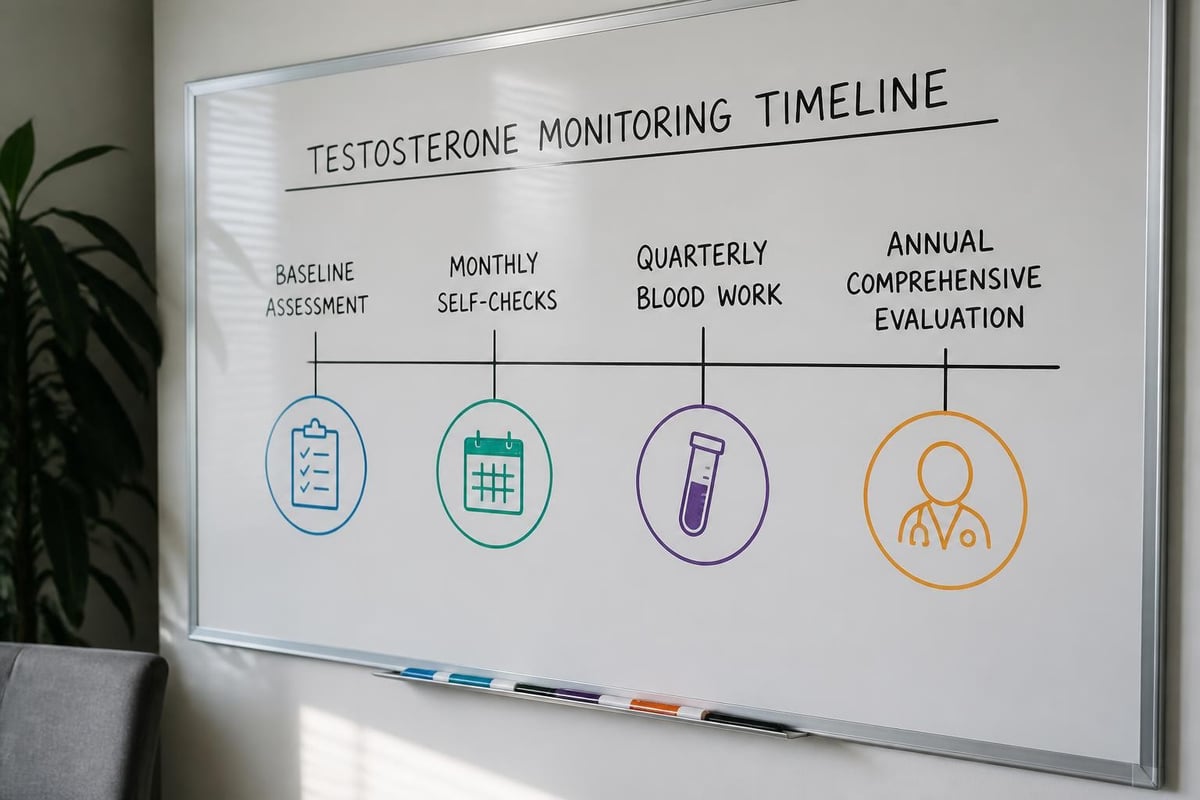
Early detection dramatically improves treatment outcomes. Monthly self-examination allows users to identify subtle changes before significant proliferation occurs. Any firm tissue development beneath the nipple warrants immediate medical evaluation and potential treatment initiation.
Ongoing Monitoring
Individuals using testosterone should monitor estrogen-related symptoms beyond just breast tissue changes. Water retention, emotional volatility, decreased libido, and erectile dysfunction may signal elevated estrogen requiring intervention. Regular blood work every three to six months ensures hormonal balance remains within target ranges.
Adjusting estrogen management protocols based on laboratory values and symptoms prevents testosterone gynecomastia more effectively than reactive approaches. Some individuals require consistent aromatase inhibitor use, while others maintain balance with intermittent intervention or lifestyle modifications alone.
Long-Term Considerations
Testosterone gynecomastia impacts both physical appearance and psychological well-being. The condition may cause significant emotional distress, affecting self-confidence, body image, and quality of life. Addressing both the physical manifestation and psychological impact ensures comprehensive care.
Psychological Impact
Many individuals experience embarrassment, social anxiety, and avoidance behaviors due to visible breast enlargement. These psychological effects often persist even after successful treatment, requiring supportive counseling and realistic expectation-setting about outcomes.
Professional guidance helps individuals understand that testosterone gynecomastia represents a common, treatable condition rather than a permanent consequence. Mental health support complements medical and surgical interventions in achieving optimal results.
Recurrence Prevention
After successfully treating testosterone gynecomastia through medical therapy or surgery, preventing recurrence requires ongoing attention to hormonal balance. Individuals who continue testosterone use must maintain appropriate estrogen management indefinitely.
Those who discontinue testosterone may experience partial resolution of gynecomastia as hormone levels normalize. However, fibrous tissue rarely regresses completely without surgical removal. The decision to continue or discontinue testosterone involves weighing therapeutic benefits against side effect management complexity.
Managing testosterone gynecomastia effectively requires understanding aromatization mechanisms, implementing preventive strategies, and pursuing appropriate treatment when necessary. Whether through medical management with aromatase inhibitors and SERMs or surgical intervention for established cases, multiple effective options exist for addressing this common condition. 24-7.is provides access to testosterone products and ancillary medications that support comprehensive hormone management, helping individuals achieve their goals while minimizing unwanted side effects. Visit 24-7.is to explore products and resources for optimizing your testosterone therapy protocol.