

What happens when you stop TRT?
Understanding the Essentials of Testosterone Replacement Therapy (TRT)
Testosterone Replacement Therapy (TRT) is a significant treatment for men and women suffering from low testosterone levels, also known as hypogonadism. This therapy aims to restore testosterone to normal levels, improving various health aspects such as energy, mood, libido, and overall quality of life. In this article, we will delve into the various facets of TRT, including its benefits, risks, administration methods, and considerations for those contemplating undergoing treatment.

What is Testosterone Replacement Therapy (TRT)?
TRT is a medical treatment that involves supplementing the body with testosterone, which is a vital hormone produced primarily in the testes in men and in smaller amounts in the ovaries and adrenal glands in women. Low levels of testosterone can lead to several symptoms such as fatigue, depression, decreased libido, and loss of muscle mass.
The Importance of Testosterone
Testosterone plays a crucial role in various bodily functions:
- Physical Health: It contributes to muscle mass, bone density, and fat distribution.
- Mental Health: Influences mood, cognitive function, and mental sharpness.
- Sexual Function: Essential for maintaining libido, erectile function, and reproductive health.
Overall, maintaining optimal testosterone levels is crucial for physical and mental well-being.
Who Should Consider TRT?
TRT may be beneficial for individuals diagnosed with low testosterone levels, which can be confirmed through blood tests measuring serum testosterone during the morning hours. Candidates for TRT typically exhibit symptoms such as:
- Fatigue and low energy
- Depression or mood swings
- Decreased libido or erectile dysfunction
- Reduced muscle mass and increased body fat
Methods of Administering TRT
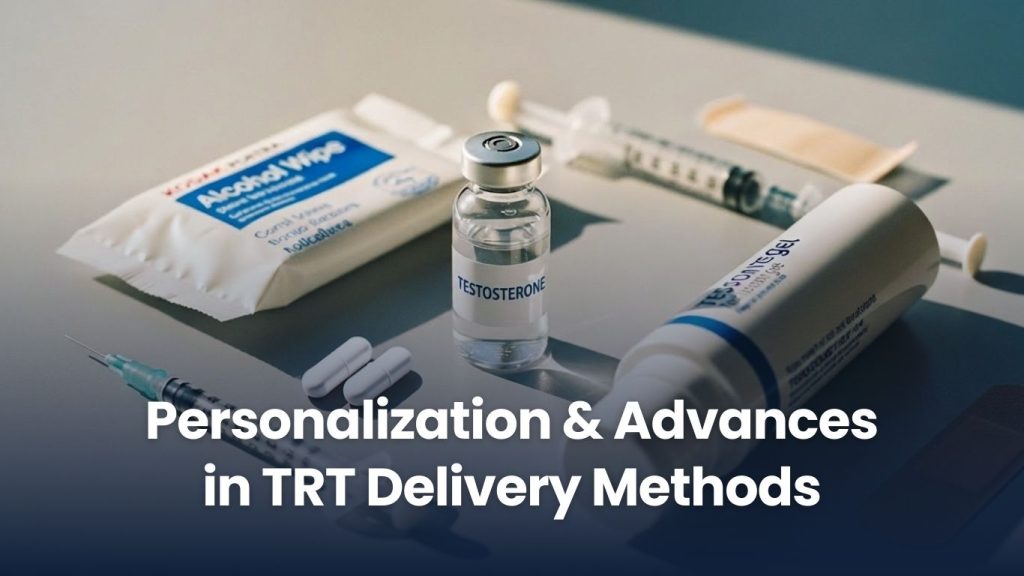
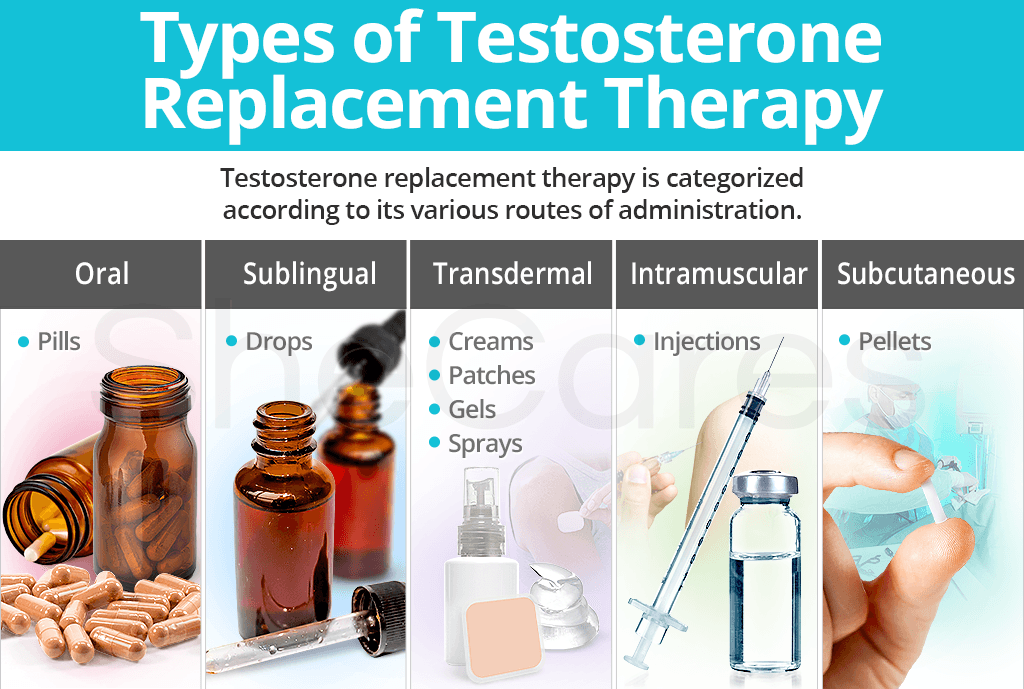
There are several methods for administering TRT, each with its advantages and disadvantages.
Injections
Testosterone injections are one of the most common forms of TRT. They can be administered either intramuscularly or subcutaneously and typically require a healthcare professional for administration. Depending on the specific testosterone form used (such as testosterone enanthate or cypionate), injections may be required every 1-3 weeks.
Patches and Gels
Testosterone patches and topical gels are alternative methods that offer a convenient and steady release of testosterone. Patches are applied daily to the skin and can deliver a consistent dose, while gels are absorbed through the skin and also provide a steady release. These methods can be less invasive and provide flexibility for patients who prefer not to have injections.
Pellets
Testosterone pellets are small hormone-filled pellets that are implanted under the skin, typically in the hip or buttocks. They release testosterone slowly over time and can last for several months, making them a low-maintenance option.
Comparing Administration Methods
| Method | Frequency | Advantages | Disadvantages |
|---|---|---|---|
| Injections | Every 1-3 weeks | Rapid increase in testosterone levels | Requires professional administration |
| Patches | Daily | Steady absorption | Potential skin irritation |
| Gels | Daily | Easy to apply | Risk of transferring to others |
| Pellets | Every 3-6 months | Steady release, low maintenance | Surgical procedure required for insertion |

Benefits of Testosterone Replacement Therapy
TRT has several reported benefits for individuals with low testosterone levels:
Enhanced Mood and Mental Health
Many patients report an improvement in mood and a decrease in depressive symptoms with TRT. Restoring testosterone levels can lead to more positive mental health outcomes, promoting overall well-being.
Improved Energy Levels
Patients undergoing TRT often experience increased energy and reduced fatigue, helping them to engage more actively in daily activities and exercise.
Boosted Libido and Sexual Function
TRT is known to improve sexual desire and may enhance erectile function, making it an effective treatment for those experiencing hypoactive sexual desire disorder.
Increased Muscle Mass and Strength
Undergoing TRT can lead to increased muscle mass and strength, particularly when combined with resistance training exercises. This is especially beneficial for older adults experiencing age-related muscle loss.
Potential Risks and Side Effects of TRT
While TRT can offer significant benefits, it also comes with potential risks and side effects. Awareness of these is vital for anyone considering therapy.
Cardiovascular Risks
Some studies have suggested a link between TRT and increased cardiovascular risks, such as blood clots or heart events, particularly in older patients or those with pre-existing conditions. Regular monitoring by a healthcare professional is essential.
Hormonal Balance Disruption
Excessive testosterone levels can lead to side effects such as acne, sleep apnea, breast tissue enlargement (gynecomastia), and increased red blood cell count (polycythemia). Close monitoring and adjustments are crucial to maintaining hormonal balance.
Prostate Health Considerations
Testosterone can stimulate prostate growth. Therefore, it is important to screen for prostate cancer before commencing TRT and to continue regular monitoring during treatment.
Monitoring and Follow-Up During TRT
Regular follow-ups with healthcare providers are essential when on TRT. Monitoring should include:
- Serum testosterone levels: Typically measured every 3-6 months after starting therapy.
- Complete blood counts: To monitor red blood cell levels.
- Prostate-specific antigen (PSA) levels: Important for assessing prostate health.
- Overall health assessments: To evaluate the efficacy of the therapy and any side effects experienced.
Maintaining open communication with a healthcare provider is crucial for ensuring the therapy is effective and safe.
Frequently Asked Questions
FREE SHIPPING
CLICK HERE!
HOT PROMOTIONS!
Beligas Prime Testosterone (Suspension) 100mg
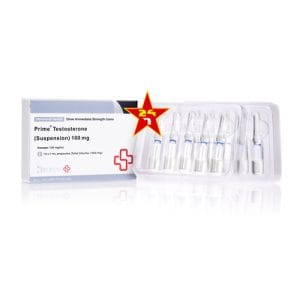
Original price was: $ 101.00.$ 71.00Current price is: $ 71.00.
Fierce testosterone cypionate 250mg / ml 10ml

Original price was: $ 192.00.$ 139.00Current price is: $ 139.00.
illustra** White Tops HGH 99.8% Purity 13iu x 1 vial
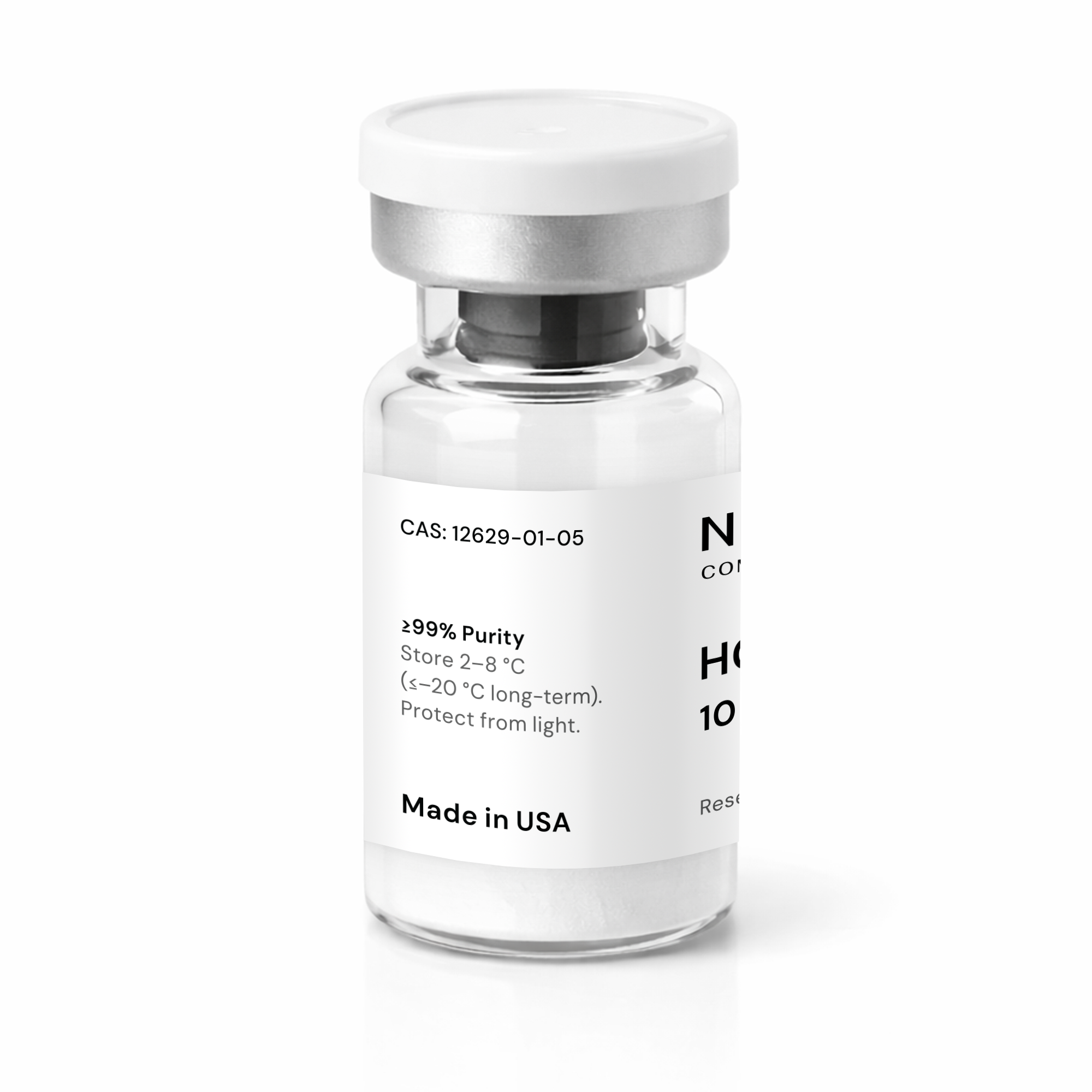
Original price was: $ 99.00.$ 29.00Current price is: $ 29.00.

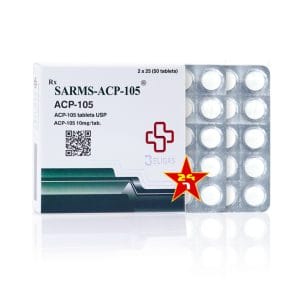
Beligas SARMs ACP-105 ACP 10mg 50 tablets
Original price was: $ 132.00.$ 111.00Current price is: $ 111.00.
What does TRT involve?
TRT involves supplementing testosterone in those with low levels through methods such as injections, patches, gels, or pellets, aiming to restore hormonal balance.
Can women undergo TRT?
Yes, women can undergo TRT as well, particularly for conditions related to menopause or other hormonal imbalances. However, doses and treatment considerations may differ significantly from those for men.
How long does it take to see results from TRT?
Many patients begin to notice improvements in energy, mood, and libido within a few weeks. However, full benefits, particularly in muscle mass and strength, may take several months of consistent therapy.
Are there any age restrictions for starting TRT?
While testosterone levels naturally decline with age, TRT should only be initiated after appropriate testing and medical evaluation, regardless of age. Individual health concerns play a significant role in determining candidacy.
Is monitoring necessary during TRT?
Yes, ongoing monitoring is crucial during TRT to assess hormone levels, manage potential side effects, and ensure overall health.
Conclusion
Testosterone Replacement Therapy can significantly improve the quality of life for those suffering from low testosterone levels. By understanding its benefits, risks, and monitoring requirements, individuals can make informed decisions about whether this therapy aligns with their health goals and needs. As with any medical treatment, comprehensive discussions with healthcare professionals are essential for the safe and effective use of TRT.





