Who has 1000 testosterone?
Introduction
The question, Who has 1000 testosterone?, may seem straightforward, yet it conjures up a wealth of information about testosterone levels, their significance in the human body, and who might naturally produce such levels. Testosterone, a crucial hormone primarily produced in the testes for men and in lesser amounts in women’s ovaries, plays an essential role in various bodily functions. Understanding these functions can shed light on the implications of elevated testosterone levels and their health implications.
Understanding Testosterone Levels
Testosterone levels can vary widely among individuals. Typically, normal testosterone levels for men range from approximately 300 to 1,000 ng/dL (nanograms per deciliter). For women, the levels are significantly lower, ranging from 15 to 70 ng/dL. The production of testosterone shuts down in older age, but certain individuals may achieve unusually high levels.
Factors Influencing Testosterone Levels
Several factors can contribute to higher testosterone levels. Here are some prominent ones:
- Genetics: Genetic predisposition can play a role in testosterone production.
- Aging: While testosterone levels generally decline with age, some older men may still retain higher levels based on their biological makeup.
- Body Composition: Individuals with lower body fat percentage may experience more stable and higher testosterone levels.
- Exercise: Regular physical activity, particularly strength training, is linked to increased testosterone production.
- Health Conditions: Certain medical conditions can lead to an increase in testosterone levels, such as adrenal tumors.
Who Typically Exhibits High Testosterone Levels?
When discussing Who has 1000 testosterone?, it is essential to note that this level is often seen in specific groups:
Athletes and Bodybuilders
Many athletes, particularly in strength sports, may achieve testosterone levels approaching or exceeding 1000 ng/dL due to rigorous training and specific nutritional regimens. Some may also resort to testosterone therapy or anabolic substances to enhance performance, pushing levels beyond natural limits.
Young Men
Testosterone levels tend to peak in young adulthood. Men in their late teens to early 30s often exhibit higher levels naturally as their bodies are fully developed. Genetic factors, combined with a robust lifestyle, can result in testosterone levels hitting the 1000 ng/dL mark.
Individuals with Hormonal Disorders
Certain hormonal disorders can lead to elevated testosterone levels. For instance, conditions such as polycystic ovary syndrome (PCOS) in women or adrenal tumors can spur significant increases in testosterone production.
Health Implications of High Testosterone Levels
While achieving high testosterone may seem desirable, it is essential to recognize both the benefits and potential downsides:
Benefits
- Increased Muscle Mass: Higher testosterone supports muscle growth, making it appealing for athletes and fitness enthusiasts.
- Improved Mood: Testosterone can enhance mood and decrease the risk of depression.
- Enhanced Libido: Elevated testosterone is often linked to increased sexual desire.
Potential Risks
- Cardiovascular Issues: Elevated testosterone levels have been associated with an increased risk of heart disease.
- Hormonal Imbalances: Excess testosterone can lead to acne, hair loss, and other androgenic effects.
- Infertility Risks: Extremely elevated testosterone may disrupt normal hormonal balances affecting fertility.
Types of Testosterone Tests
If an individual suspects they have high testosterone levels, several tests can confirm this:
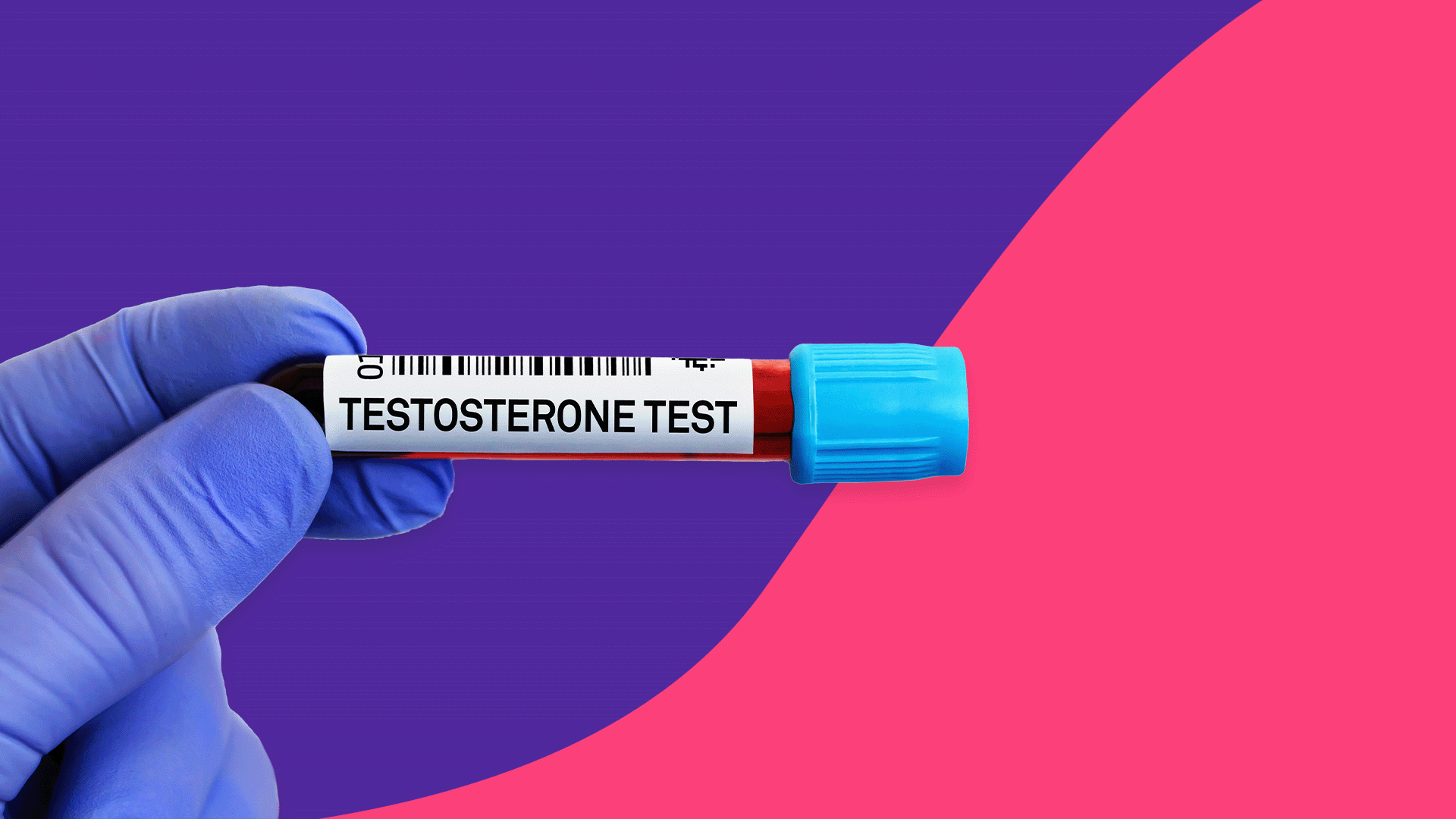
- Blood Test: The most common method involves measuring testosterone levels through blood samples.
- Salivary Test: This less conventional method can also indicate testosterone levels but is less commonly used.
- Urine Test: Hormone levels can also be assessed via urine samples, though blood tests remain the gold standard.
Maintaining Healthy Testosterone Levels
If you are concerned about whether you might be among those possessing exceedingly high testosterone levels, here are some strategies to consider:
- Balanced Diet: Consuming nutrients that support hormonal balance, such as zinc and omega-3 fatty acids, is crucial.
- Regular Exercise: Engaging in physical activity, particularly weight lifting and high-intensity workouts, can help regulate testosterone levels.
- Stress Management: Chronic stress can lower testosterone; thus, managing stress through mindfulness and relaxation techniques is beneficial.
Supplement Considerations
Some individuals may consider supplements to improve testosterone levels. However, these should be approached cautiously and discussed with a healthcare provider:
- Zinc and Vitamin D: Deficiencies in these nutrients can impact testosterone production.
- Herbal Supplements: Some herbal remedies claim to enhance testosterone, though scientific evidence may vary.
For a comprehensive exploration of testosterone-related supplements, you can refer to NCBI.
Conclusion
Understanding Who has 1000 testosterone? provides insight not just into hormonal health but also the wider implications of maintaining balanced testosterone levels for overall well-being. While some individuals may naturally produce these higher levels, awareness of both positive effects and potential risks is crucial. If you suspect hormonal imbalances or high testosterone levels, consulting a medical professional is always recommended to ensure that you are informed and effectively managing your health.
FAQ
1. Is having 1000 testosterone levels healthy?
It can be healthy for some individuals, particularly young men or athletes, but may also pose health risks. Consulting a healthcare provider is advisable for anyone with concerns.
2. Can women have testosterone levels close to 1000 ng/dL?
Women typically have much lower testosterone levels, so a level that high is generally considered abnormal and may indicate a medical issue.
3. What are the symptoms of elevated testosterone levels?
Symptoms may include increased aggression, acne, hair loss, and changes in libido. If you have these symptoms, consider seeking advice from a medical professional.
4. How can I naturally increase my testosterone levels?
A healthy diet, regular exercise, stress management, and enough sleep are effective natural methods to maintain optimal testosterone levels.
5. Are there safe supplements to increase testosterone?
Some supplements, like zinc and vitamin D, are believed to help, but it’s crucial to consult a healthcare provider before starting any regimen.
6. What role does age play in testosterone levels?
Age is a significant factor; testosterone levels generally peak in early adulthood and gradually decline with age. However, genetic factors and lifestyle can influence this decline.