Boldenone: Structure, Uses, and Detection in 2026
Boldenone represents one of the most widely recognized anabolic-androgenic steroids (AAS) in both veterinary medicine and athletic doping discussions. Originally developed for veterinary use, this compound has found its way into human performance enhancement circles despite never receiving approval for human medical use. Understanding boldenone’s chemical properties, legitimate applications, and detection challenges provides critical context for athletes, researchers, and regulatory bodies navigating the complex landscape of performance-enhancing substances in 2026.
Chemical Structure and Pharmacological Properties
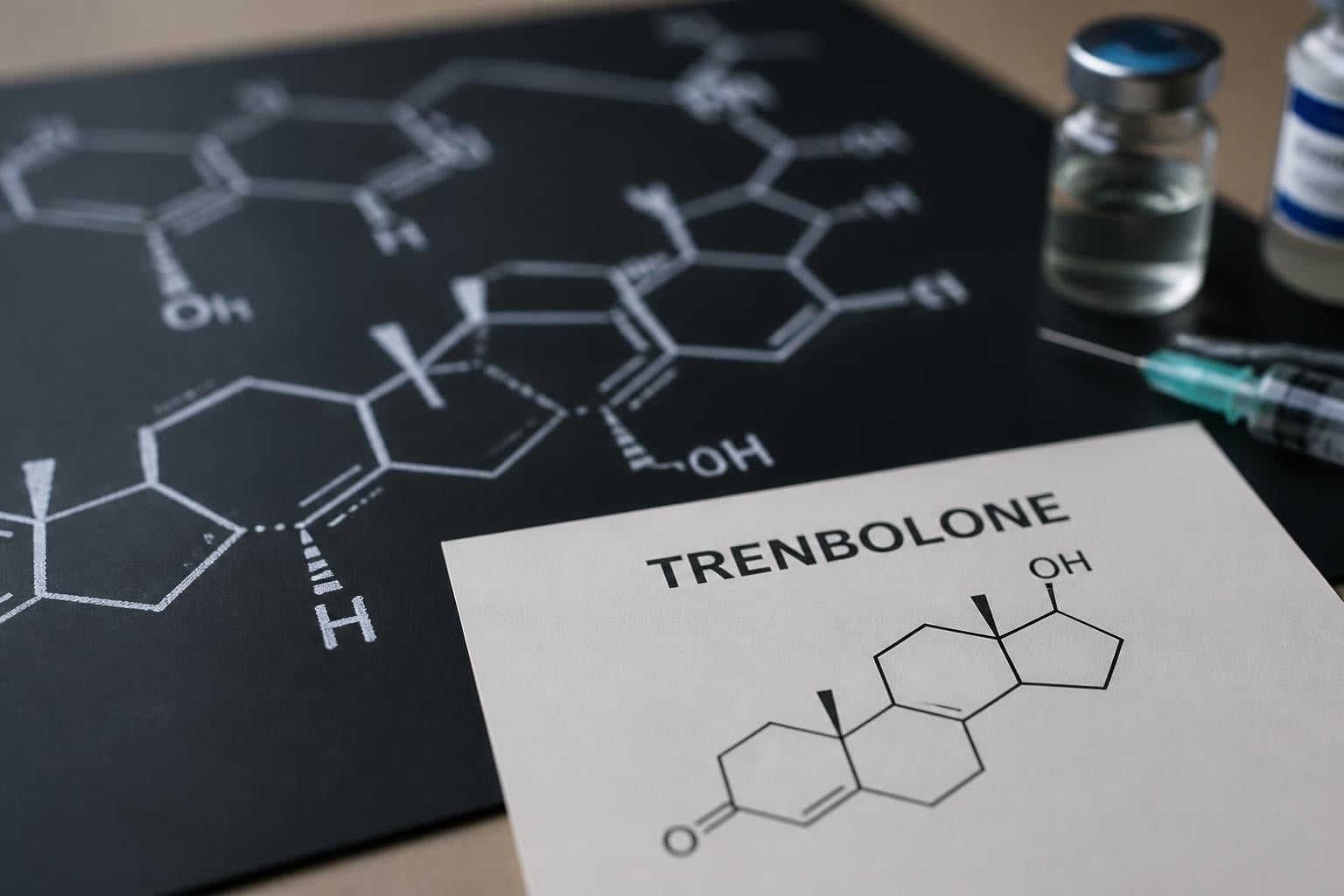
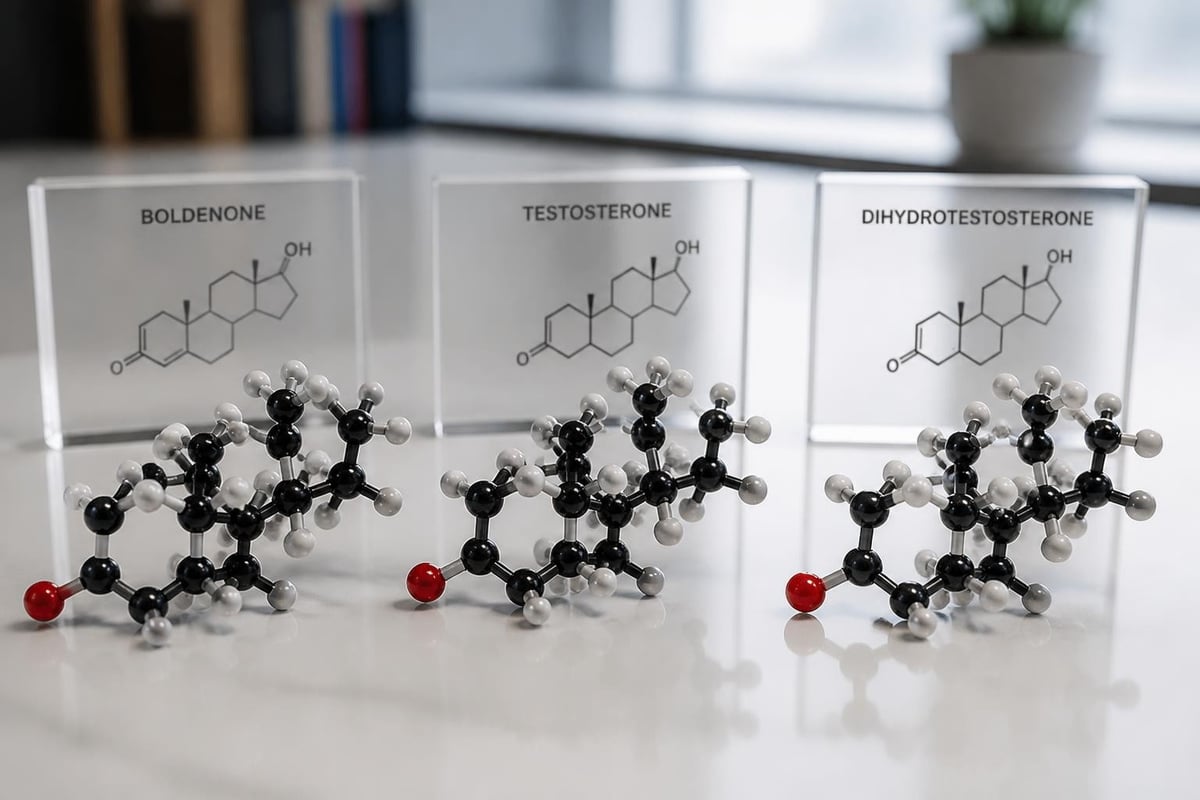
Boldenone differs from testosterone by only a single chemical modification: a double bond between carbon atoms 1 and 2 in the A-ring of the steroid nucleus. This seemingly minor structural change creates significant pharmacological differences that define the compound’s behavior in biological systems.
Molecular Characteristics
The addition of the 1,2-double bond reduces the rate of aromatization to estrogen compared to testosterone. This structural feature makes boldenone approximately 50% as estrogenic as testosterone, which influences the side effect profile users may experience.
Key molecular features include:
- Molecular formula: C₁₉H₂₆O₂
- Molecular weight: 286.41 g/mol
- Lower 5α-reductase activity than testosterone
- Enhanced anabolic-to-androgenic ratio in animal studies
The compound typically appears in veterinary formulations as boldenone undecylenate, where the undecylenate ester extends the release time following intramuscular injection. This esterification strategy allows for longer intervals between doses in veterinary settings.
Receptor Binding and Metabolic Pathway
Boldenone binds to androgen receptors throughout the body, initiating the cascade of anabolic effects associated with AAS use. Research on anabolic-androgenic steroids demonstrates how structural modifications influence receptor affinity and downstream signaling pathways.
The compound undergoes extensive hepatic metabolism, producing multiple metabolites that remain detectable in biological samples for extended periods. The primary metabolic transformations include reduction of the double bond, hydroxylation, and conjugation with sulfate or glucuronic acid.
| Metabolite | Detection Window | Testing Significance |
|---|---|---|
| Boldenone sulfate | 4-6 months | Primary marker in urine |
| 5β-reduced metabolites | 8-12 months | Confirmation testing |
| Parent compound | 2-3 months | Blood screening |
Veterinary Applications and Regulatory Status
The approved use of boldenone remains strictly confined to veterinary medicine. Equipoise, the commercial veterinary product, received regulatory approval for promoting weight gain and improving feed efficiency in horses.
Licensed Veterinary Uses
In equine medicine, boldenone undecylenate serves specific therapeutic purposes related to debilitation and weight loss. Veterinarians may prescribe this compound for horses recovering from illness, surgery, or prolonged stress that has resulted in muscle wasting.
The standard veterinary dose involves deep intramuscular injection at intervals determined by the treating veterinarian based on the animal’s condition and response. Proper withdrawal periods must be observed before animals enter the food chain to prevent residue issues.
Approved veterinary indications:
- Reversal of catabolic states in horses
- Improvement of overall physical condition
- Enhancement of appetite and feed utilization
- Support during recovery from debilitating conditions
Food Safety Considerations
The use of boldenone in food-producing animals raises important residue monitoring questions. International food safety bodies evaluate veterinary drug residues to establish safe limits and withdrawal requirements.
European monitoring programs track boldenone metabolites in meat and animal products to ensure consumer safety. Detection of these residues in food animals can indicate either legal veterinary use with insufficient withdrawal time or illegal administration in jurisdictions where the compound is not approved for food-producing species.
Many countries prohibit boldenone use in cattle, pigs, and other meat-producing animals due to concerns about residue persistence and potential human exposure through the food chain. Regulatory frameworks continue evolving as detection technologies improve.
Human Use Patterns and Considerations
Despite lacking approval for human medical use, boldenone has been utilized in bodybuilding and athletic performance contexts. Individuals seeking anabolic effects have obtained veterinary formulations or illicitly manufactured products intended for human consumption.
Performance Enhancement Applications
Athletes and bodybuilders historically used boldenone for its purported ability to promote lean muscle gains with relatively modest water retention compared to other AAS. The compound’s favorable anabolic-to-androgenic ratio in animal models contributed to its appeal in these communities.
Typical patterns of non-medical use involve injection cycles lasting 8-12 weeks, often stacked with other anabolic compounds. Users report gradual, steady gains rather than the rapid weight increases associated with more androgenic steroids.
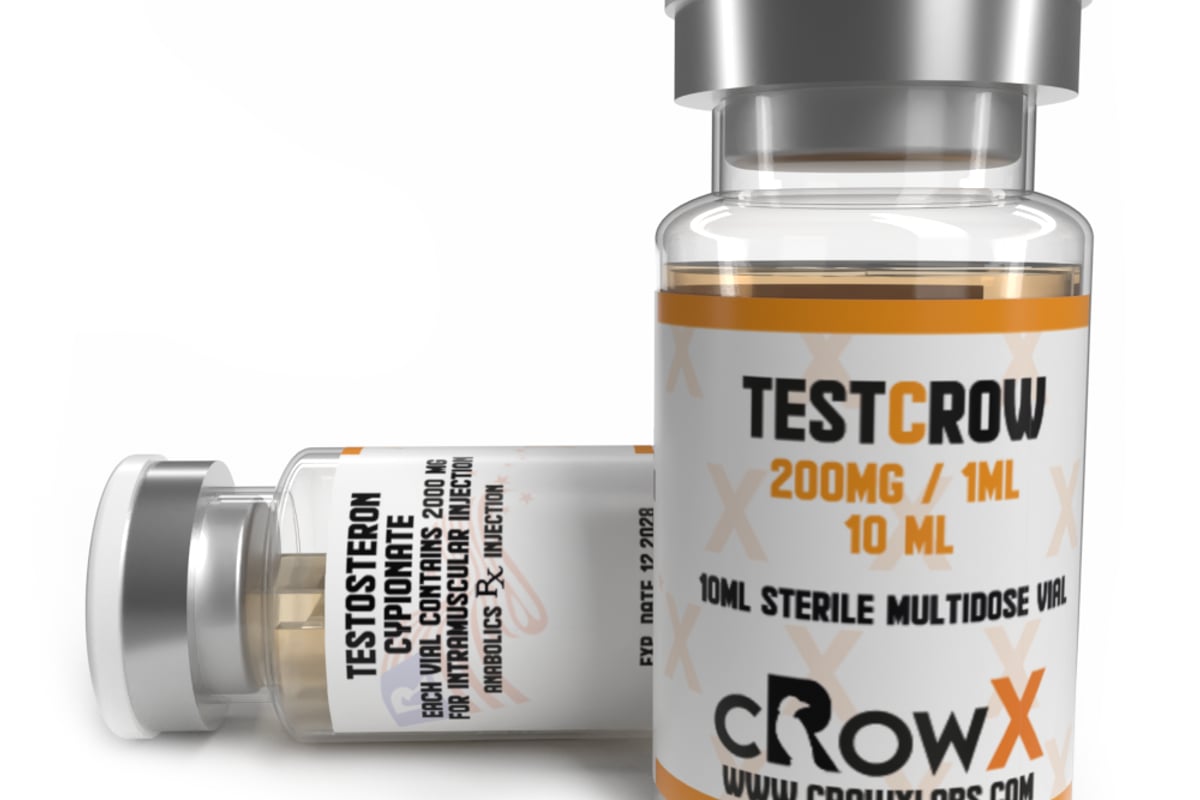
For those exploring testosterone-based alternatives under medical supervision, products like Testosterone Cypionate 200mg offer a pharmaceutical-grade option approved for human use in clinically diagnosed hormone deficiency. Working with qualified healthcare providers ensures proper monitoring, dosing, and health management.
Health Risk Profile
The use of boldenone outside veterinary settings carries significant health considerations. While marketed as having fewer estrogenic side effects than testosterone, the compound still poses multiple risks to users.
Documented adverse effects include:
- Cardiovascular strain (increased blood pressure, altered lipid profiles)
- Suppression of endogenous testosterone production
- Potential for estrogenic effects despite reduced aromatization
- Androgenic effects including acne and hair changes
- Polycythemia (elevated red blood cell production)
- Hepatic stress, though less than with oral alkylated steroids
The extended detection window creates practical complications for users subject to drug testing. The long-lasting metabolites mean a single administration can result in positive tests many months later, creating significant challenges for competitive athletes.
Anti-Doping Testing and Detection Methods
Modern anti-doping laboratories employ sophisticated analytical techniques to identify boldenone use. USADA guidance on boldenone emphasizes that the compound appears on the World Anti-Doping Agency (WADA) Prohibited List as an anabolic agent banned at all times.
Current Detection Strategies
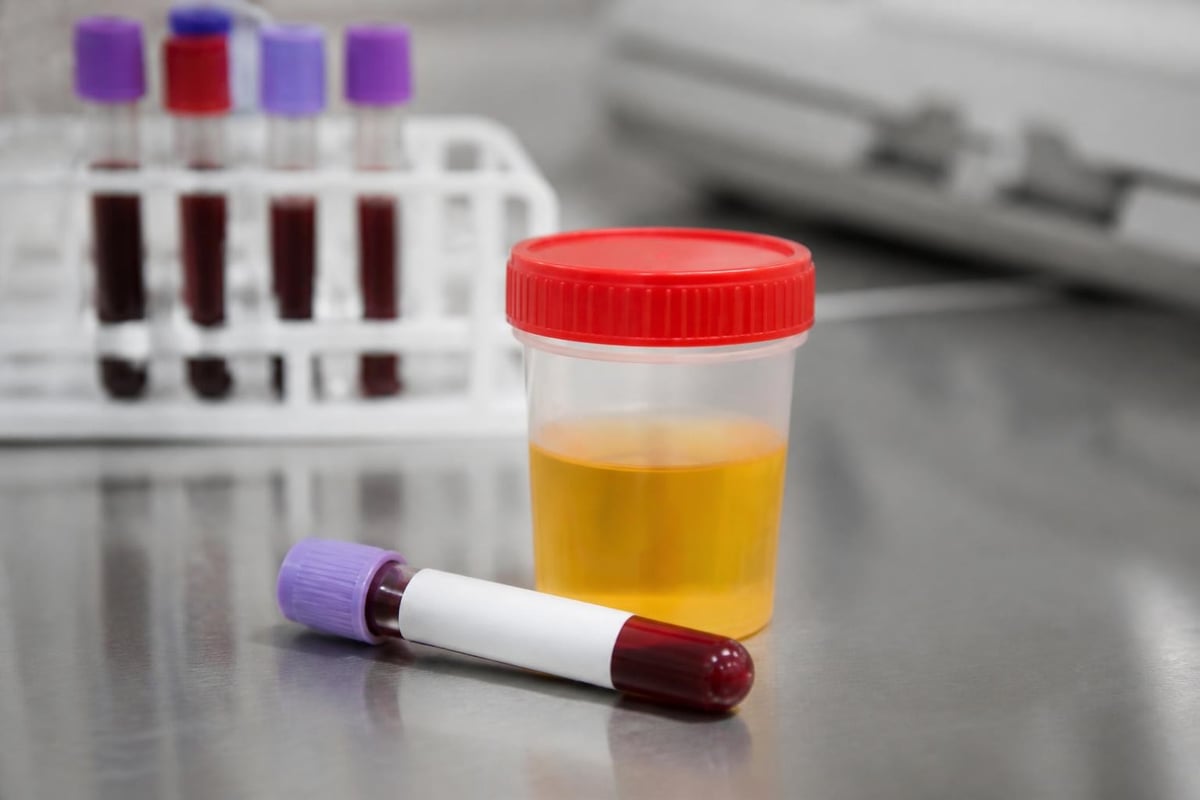
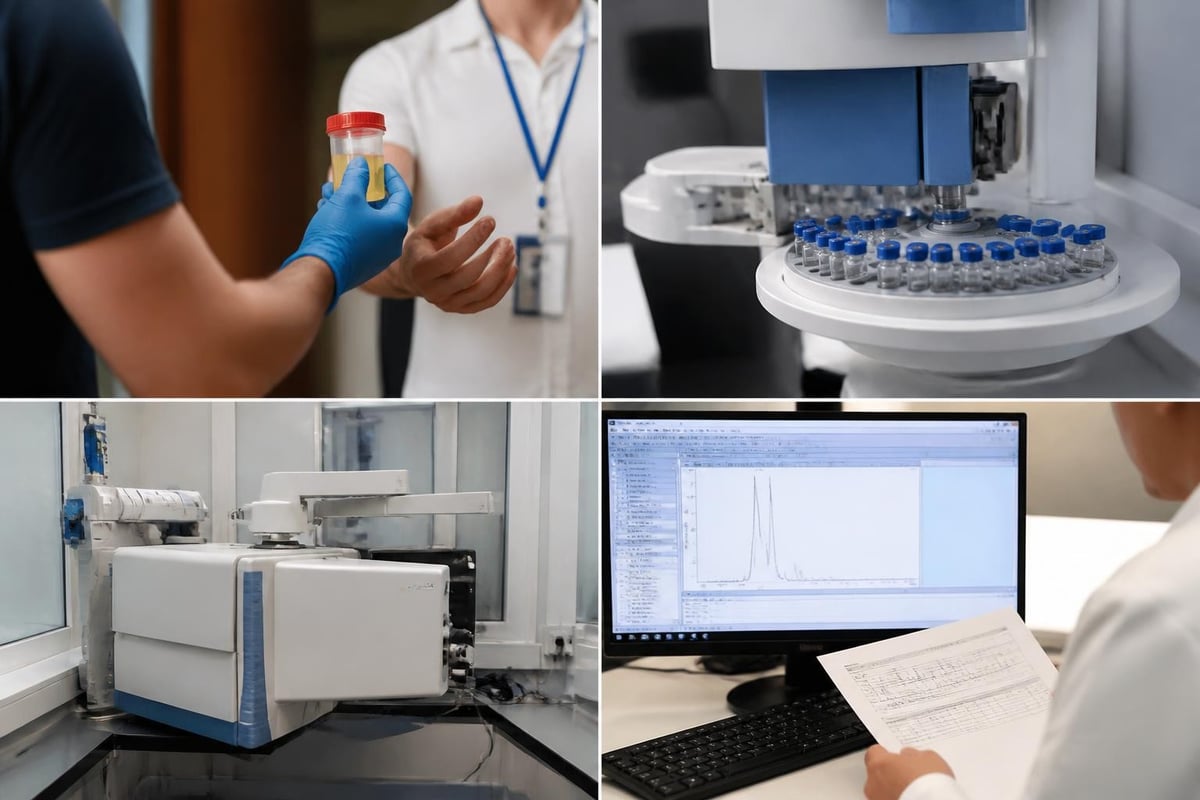
Gas chromatography-mass spectrometry (GC-MS) and liquid chromatography-mass spectrometry (LC-MS) serve as the primary analytical platforms for boldenone detection. These methods identify both the parent compound and characteristic metabolites in urine samples.
Testing laboratories analyze samples for multiple markers to confirm use:
| Analysis Type | Target Compounds | Confirmation Method |
|---|---|---|
| Initial screening | Parent boldenone, sulfate conjugate | LC-MS/MS |
| Confirmatory testing | Multiple metabolites | GC-MS with IRMS |
| Longitudinal profiling | Metabolite ratios | Steroid passport |
The Athlete Biological Passport now incorporates steroid module data that tracks individual baseline values over time. Deviations from an athlete’s established profile can trigger targeted testing even when absolute concentrations fall within typical ranges.
Endogenous Production Controversy
A complicating factor in boldenone testing involves the potential for trace endogenous production. Targeted metabolism studies using isotope ratio mass spectrometry (IRMS) help distinguish between naturally occurring trace levels and exogenous administration.
The presence of very low concentrations of boldenone or its metabolites in some samples raised questions about whether humans produce trace amounts naturally or whether contaminated meat consumption could explain findings. IRMS analysis examines carbon isotope ratios to determine whether detected boldenone originated from synthetic sources or endogenous metabolism.
This distinction matters critically in cases where athletes test positive at very low concentrations. Anti-doping tribunals must weigh the analytical evidence, including IRMS results, when determining whether a true violation occurred or whether alternative explanations account for the finding.
Detection Window Challenges
The prolonged detection window for boldenone metabolites creates unique challenges for both athletes and testing authorities. While users might assume the compound clears their system within weeks, sulfated metabolites can persist far longer.
Factors affecting detection duration:
- Ester length (undecylenate extends release time)
- Individual metabolic variation
- Dose and administration frequency
- Body composition and fat stores
- Analytical sensitivity improvements
Testing laboratories continuously improve sensitivity, meaning concentrations previously below detection limits now register as positive findings. This technological advancement means athletes who used boldenone years ago potentially face positive tests from residual metabolites.
Manufacturing and Quality Control Issues
The absence of approved human formulations means individuals accessing boldenone for non-medical use rely on veterinary products diverted from legitimate channels or clandestine laboratory production. Both sources present quality and safety concerns.
Veterinary Product Diversion
Legitimate veterinary pharmaceutical manufacturers produce boldenone undecylenate to exacting standards for animal use. However, diversion of these products into human use channels removes the oversight and medical supervision appropriate for any potent pharmaceutical agent.
Veterinary formulations may contain different excipients, concentrations, or preservatives than would be used in human pharmaceuticals. The absence of human safety data specific to these formulations represents an additional unknown risk factor.
Underground Laboratory Production
Illicit manufacturing accounts for a significant portion of boldenone in circulation for human use. These operations lack regulatory oversight, quality control testing, or good manufacturing practices that ensure pharmaceutical quality.
Quality concerns with illicit products:
- Incorrect dosing (over or under labeled concentration)
- Contamination with bacteria or particulate matter
- Presence of wrong compounds or substitutions
- Improper sterilization procedures
- Unstable or degraded active ingredient
Testing of seized samples reveals substantial variation in actual content compared to labeling. Users cannot reliably know the dose they receive or whether the product contains the stated compound at all.
Legal and Regulatory Framework
The legal status of boldenone varies by jurisdiction but generally restricts the compound to veterinary use under professional supervision. In the United States, boldenone falls under the Anabolic Steroid Control Act, making non-veterinary possession and distribution illegal without appropriate licensing.
Classification and Scheduling
Federal law classifies anabolic steroids, including boldenone, as controlled substances. This scheduling reflects recognition of abuse potential and the lack of accepted medical use in human treatment within the United States.
Possession without a valid veterinary prescription, importation, or distribution for human use violates federal statutes. States may impose additional restrictions or penalties beyond federal requirements.
International Variations
Different countries apply varying regulatory approaches to boldenone. Some jurisdictions permit veterinary use in horses but prohibit it in food-producing animals. Others ban the compound entirely or allow broader veterinary applications.
Athletes competing internationally must understand that supplement contamination or meat containing residues could potentially result in positive tests, even without intentional use. Several documented cases involved athletes testing positive after consuming meat from countries where boldenone is used in cattle.
Current Research and Future Directions
Scientific investigation continues examining boldenone’s mechanisms of action, detection methods, and potential therapeutic applications. While human medical use remains unapproved, research contributes to broader understanding of anabolic steroid pharmacology.
Metabolite Profiling Studies
Ongoing research refines understanding of boldenone metabolism, identifying new metabolites and characterizing their formation pathways. This work supports development of more sensitive and specific detection methods for anti-doping purposes.
Studies examining inter-individual variability in metabolism help explain why detection windows differ among users. Genetic polymorphisms affecting metabolic enzymes may influence how quickly individuals process and eliminate boldenone and its metabolites.
Analytical Method Development
Laboratories continuously develop improved analytical techniques that detect lower concentrations, identify more metabolites, and better distinguish endogenous from exogenous sources. Advances in mass spectrometry sensitivity and resolution drive these improvements.
The integration of dried blood spot sampling represents one innovation that could simplify collection procedures while maintaining analytical sensitivity. This approach offers potential advantages for large-scale testing programs or remote locations.
Alternative Applications Research
Some researchers explore whether modified anabolic compounds might offer therapeutic benefits for muscle wasting conditions, osteoporosis, or age-related sarcopenia. While boldenone itself lacks human approval, understanding its mechanisms contributes to development of selective androgen receptor modulators (SARMs) and other next-generation compounds.
These investigations focus on achieving anabolic benefits while minimizing androgenic and other adverse effects. The goal involves creating compounds that preserve muscle mass in disease states without the problematic side effect profile of traditional AAS.
Understanding boldenone’s chemistry, applications, and detection methods proves essential for anyone navigating the landscape of anabolic substances in 2026. Whether you’re researching performance enhancement options, ensuring regulatory compliance, or seeking quality products, having access to reliable information and reputable suppliers makes all the difference. 24-7.is provides a comprehensive selection of anabolic steroids and related products backed by knowledgeable support to help you make informed decisions about your specific needs.