


Testosterone Hematocrit: Management & Safety Guide
Testosterone replacement therapy has become increasingly common for men experiencing symptoms of hypogonadism, but one of the most significant side effects requires careful attention: elevated hematocrit levels. Understanding the testosterone hematocrit relationship is essential for anyone considering or currently using testosterone therapy, as this physiological response can impact cardiovascular health and overall safety. The elevation in red blood cell production triggered by exogenous testosterone is both predictable and manageable, yet it demands consistent monitoring and informed decision-making.
The Biological Mechanism Behind Testosterone-Induced Erythrocytosis
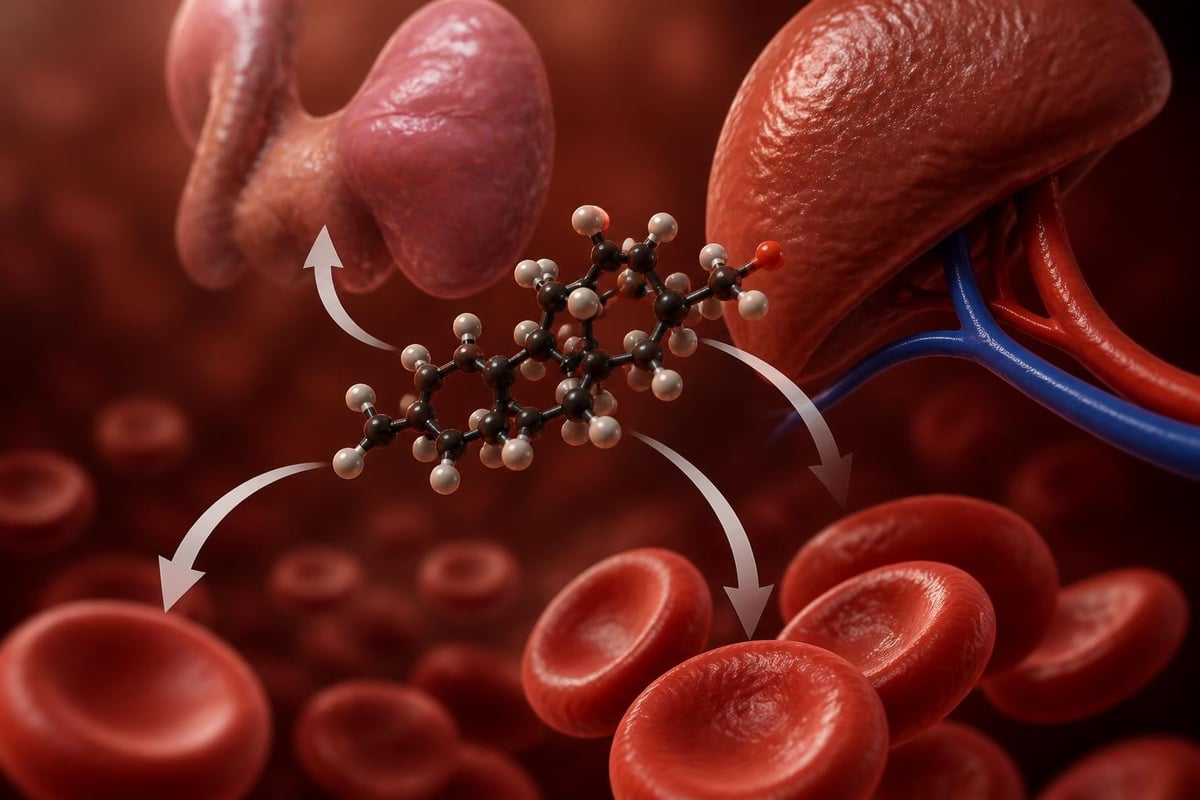
Testosterone exerts powerful effects on the body’s red blood cell production system through multiple pathways. When testosterone levels increase, whether through endogenous production or exogenous supplementation, the hormone stimulates erythropoietin (EPO) production in the kidneys. EPO serves as the primary signal that tells bone marrow to manufacture more red blood cells.
Research published in the National Institutes of Health database demonstrates that testosterone also suppresses hepcidin, a hormone that regulates iron availability. By reducing hepcidin levels, testosterone increases iron bioavailability for hemoglobin synthesis, further supporting red blood cell production. This dual mechanism explains why testosterone hematocrit elevation occurs so consistently across patients.
Why Red Blood Cell Increase Matters
The relationship between testosterone and hematocrit centers on blood viscosity and oxygen-carrying capacity. While having adequate red blood cells is essential for oxygen delivery throughout the body, excessive levels create a thicker, more viscous blood consistency.
Key physiological impacts include:
- Increased resistance to blood flow through vessels
- Greater cardiac workload to maintain circulation
- Elevated risk of clot formation
- Potential reduction in microvascular perfusion
- Strain on the cardiovascular system
Clinical Thresholds and Monitoring Protocols
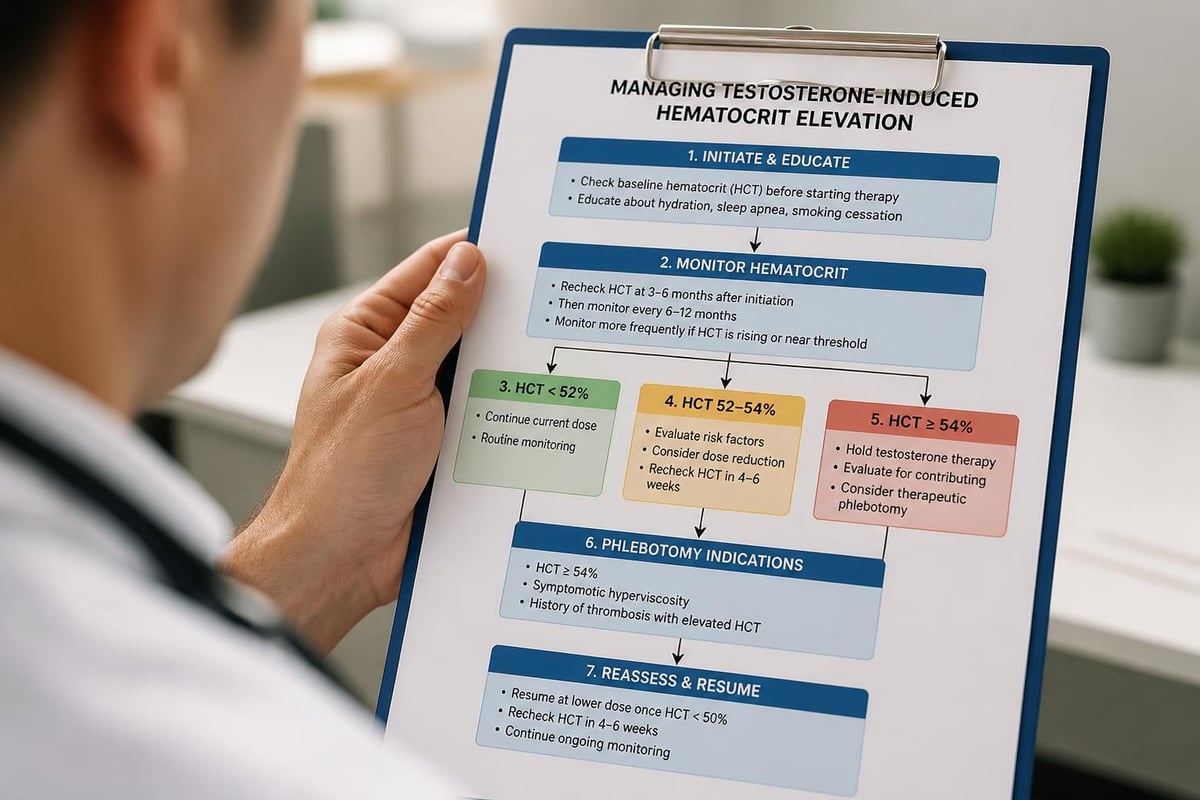
Medical guidelines establish specific hematocrit thresholds that trigger clinical intervention. The testosterone hematocrit monitoring schedule should align with evidence-based recommendations to catch elevations before they become problematic.
Baseline and Follow-Up Testing
Before initiating testosterone therapy, establishing baseline hematocrit values provides a critical reference point. Most practitioners order a complete blood count (CBC) that includes hematocrit, hemoglobin, and red blood cell indices.
| Monitoring Phase | Timing | Rationale |
|---|---|---|
| Baseline | Before starting therapy | Establishes individual reference |
| Initial monitoring | 3 months after starting | Catches early rapid responders |
| Steady-state monitoring | 6 months, then annually | Detects gradual accumulation |
| Post-adjustment | 3 months after dose change | Assesses impact of modifications |
The American Urological Association guidelines recommend specific intervention points based on hematocrit levels. When values exceed 54%, many clinicians consider dose reduction or temporary discontinuation.
Individual Variation in Response
Not all individuals experience the same degree of testosterone hematocrit elevation. Several factors influence the magnitude of response:
- Baseline hematocrit levels: Men starting with higher baseline values show greater risk
- Testosterone dose and formulation: Injectable esters typically produce more pronounced effects
- Age: Older men may show blunted erythropoietic responses
- Altitude and location: Higher elevation residence increases baseline levels
- Genetic factors: Individual sensitivity to androgen signaling varies
Risk Assessment and Cardiovascular Considerations
The clinical significance of testosterone-induced hematocrit elevation extends beyond laboratory numbers. Large observational studies have linked secondary polycythemia during testosterone therapy with increased risk of major adverse cardiovascular events and venous thromboembolism.
Understanding these risks requires distinguishing between statistical association and individual risk profiles. While population-level data show increased event rates, individual risk depends on multiple concurrent factors.
Cardiovascular Event Risk Factors
When testosterone hematocrit levels rise above recommended thresholds, several mechanisms may contribute to cardiovascular risk:
- Increased blood viscosity creates greater resistance in the circulatory system
- Platelet activation may become enhanced in polycythemic conditions
- Endothelial function can be impaired by altered rheological properties
- Thrombotic tendency increases with higher red cell mass
Additional risk multipliers include:
- Pre-existing cardiovascular disease
- Hypertension or poorly controlled blood pressure
- Diabetes mellitus
- Obesity and metabolic syndrome
- Family history of thrombotic events
- Smoking status
Venous Thromboembolism Concerns
Deep vein thrombosis and pulmonary embolism represent serious potential complications when testosterone hematocrit values remain chronically elevated. The increased blood viscosity, combined with potential changes in coagulation factors, creates conditions favorable for clot formation.
Men with additional risk factors deserve particular attention. Prolonged immobility, recent surgery, inherited thrombophilias, and previous thrombotic events all amplify the baseline risk created by elevated hematocrit alone.

Management Strategies for Elevated Hematocrit
When testosterone hematocrit monitoring reveals values approaching or exceeding clinical thresholds, several evidence-based management approaches exist. The choice of intervention depends on the degree of elevation, symptom presence, and individual risk factors.
Dose Reduction and Frequency Adjustment
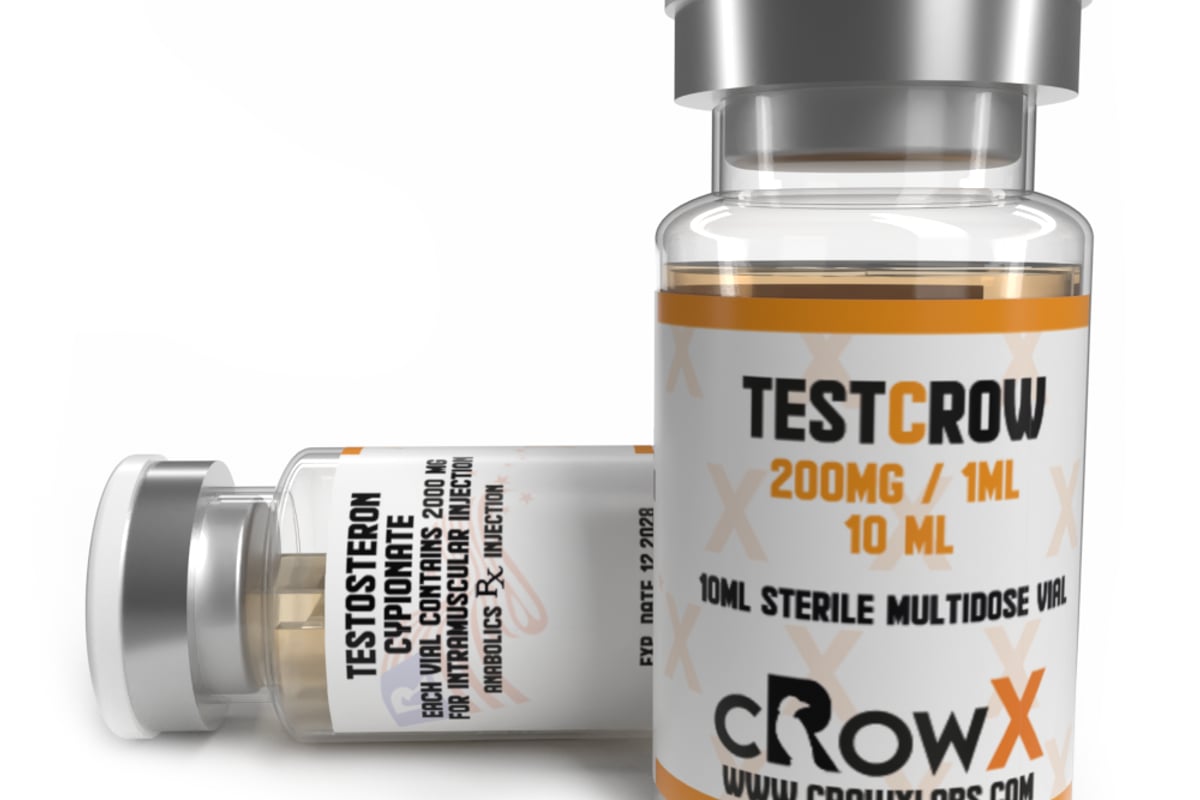
The most straightforward intervention involves reducing testosterone dosage. Many men can maintain therapeutic benefits with lower doses that produce less erythrocytosis. For those using injectable testosterone formulations like Testosterone Cypionate 200mg, splitting doses into more frequent, smaller administrations can reduce peak levels while maintaining stable testosterone concentrations and potentially limiting the erythropoietic response.
| Intervention | Hematocrit Range | Expected Outcome |
|---|---|---|
| Dose reduction 20-25% | 52-54% | Gradual decline over 3-6 months |
| Temporary discontinuation | >54% with symptoms | Rapid decline within 4-8 weeks |
| Frequency increase | 50-52% | Stabilization without decline |
| Therapeutic phlebotomy | >54% persistent | Immediate reduction |
Therapeutic Phlebotomy
Blood donation or therapeutic phlebotomy represents a direct method to reduce hematocrit quickly. The NHS provides guidance on erythrocytosis management that includes phlebotomy as a cornerstone treatment when levels become problematic.
Phlebotomy protocols typically involve:
- Removal of 450-500 mL of blood per session
- Sessions scheduled every 1-4 weeks initially
- Target hematocrit below 52% for most patients
- Maintenance schedule as needed based on monitoring
This approach provides rapid relief but doesn’t address the underlying testosterone hematocrit elevation mechanism. Without concurrent dose adjustment, hematocrit will typically return to elevated levels within weeks to months.
Alternative Formulations and Delivery Methods
Different testosterone formulations produce varying effects on red blood cell production. Injectable testosterone esters generally create the most pronounced hematocrit elevation, while transdermal preparations may produce more modest increases.
Some practitioners recommend transitioning from:
- Injectable esters to transdermal gels or patches
- Long-acting preparations to shorter-acting formulations
- High-peak formulations to steady-release systems
The trade-off involves balancing hematocrit control against therapeutic effectiveness and patient preference. Many men find injectable testosterone more convenient and economical despite the greater erythropoietic effect.
Optimizing Therapy While Controlling Hematocrit
Successful long-term testosterone therapy requires balancing symptom relief and physiological benefits against the management of testosterone hematocrit elevation. This optimization process involves multiple considerations beyond simply lowering red blood cell production.
Hydration and Lifestyle Factors
Adequate hydration status significantly impacts hematocrit measurements. Dehydration artificially elevates hematocrit by reducing plasma volume, creating falsely high readings. Men on testosterone therapy should maintain consistent hydration, particularly before blood draws.
Lifestyle modifications that support healthy hematocrit levels:
- Maintaining optimal hydration (8-10 glasses of water daily)
- Regular aerobic exercise to improve cardiovascular efficiency
- Avoiding excessive alcohol consumption
- Managing body weight and metabolic health
- Smoking cessation if applicable
- Blood pressure control through diet and medication
Monitoring Beyond Hematocrit
While testosterone hematocrit serves as the primary screening parameter, comprehensive monitoring includes additional markers. Hemoglobin levels, red blood cell count, and blood viscosity measurements provide a fuller picture of erythrocytosis severity.
Iron studies become relevant for men undergoing regular phlebotomy, as repeated blood removal can eventually lead to iron deficiency. Monitoring ferritin, serum iron, and total iron-binding capacity helps prevent this complication.
Individual Risk-Benefit Analysis
Every man considering or continuing testosterone therapy must weigh the benefits against potential risks. The testosterone hematocrit issue represents one component of this larger calculation.
When Benefits Outweigh Risks
For many men with clinically diagnosed hypogonadism, the improvements in quality of life, muscle mass, bone density, cognitive function, and sexual health justify careful management of hematocrit elevation. With proper monitoring and intervention, most men can safely continue therapy.
Candidates who typically manage well include those with:
- Moderate symptom improvement on therapy
- Good adherence to monitoring schedules
- Absence of multiple cardiovascular risk factors
- Hematocrit values that respond to dose adjustment
- Willingness to undergo phlebotomy when necessary
When Caution or Discontinuation Makes Sense
Some clinical scenarios warrant reconsidering testosterone therapy altogether. Men with refractory hematocrit elevation despite dose reduction, those with multiple cardiovascular risk factors, or individuals who cannot commit to regular monitoring may face risks that outweigh benefits.
Red flags requiring careful evaluation:
- Hematocrit persistently above 54% despite interventions
- History of thrombotic events
- Uncontrolled hypertension
- Severe obstructive sleep apnea
- Significant cardiovascular disease
- Poor medication adherence patterns
Special Populations and Considerations
Certain groups require modified approaches to managing testosterone hematocrit challenges. Age, concurrent medications, and pre-existing conditions all influence both the magnitude of response and the appropriate management strategy.
Older Adults
Men over 65 face higher baseline cardiovascular risk, making hematocrit management particularly crucial. However, age-related changes in erythropoiesis may actually blunt the testosterone hematocrit response in some elderly patients. Individualized monitoring and conservative dosing strategies serve this population best.
High-Altitude Residents
Men living at elevations above 5,000 feet possess naturally elevated hematocrit levels as a physiological adaptation to lower oxygen availability. These individuals require adjusted target ranges and more conservative testosterone dosing to prevent excessive elevation.
| Elevation | Expected Baseline Hematocrit | Intervention Threshold |
|---|---|---|
| Sea level | 42-50% | 54% |
| 5,000-7,000 feet | 44-52% | 55-56% |
| Above 7,000 feet | 46-54% | 56-57% |
Athletes and Performance Users
While this article focuses primarily on therapeutic testosterone use, understanding testosterone hematocrit dynamics remains important for all users. Athletes seeking performance enhancement through supraphysiological doses face exponentially greater erythrocytosis risk. The dose-response relationship is not linear, and higher doses produce disproportionately greater hematocrit elevation.
Laboratory Interpretation and Accuracy
Proper interpretation of testosterone hematocrit measurements requires understanding laboratory methodology and potential sources of variation. Not all elevated readings reflect true polycythemia.
Factors Affecting Accuracy
Several variables can influence hematocrit measurements:
- Time of day: Morning values typically run slightly higher
- Hydration status: Recent fluid intake significantly impacts results
- Tourniquet application: Prolonged venous occlusion raises local hematocrit
- Laboratory methodology: Different analyzers may yield slightly different values
- Seasonal variation: Some men show higher values in winter months
For concerning results, confirmation with a repeat measurement under standardized conditions (morning, well-hydrated, consistent timing) provides greater confidence in clinical decisions.
Complete Blood Count Context
Hematocrit represents just one component of the complete blood count. Examining the entire panel provides insights into the nature of red blood cell changes. Elevated hemoglobin levels that parallel hematocrit increases confirm true erythrocytosis rather than hemoconcentration.
Mean corpuscular volume (MCV) and red cell distribution width (RDW) offer additional context. Changes in these parameters might suggest concurrent nutritional deficiencies or other hematologic processes requiring attention.
Long-Term Management and Sustainability
Maintaining testosterone therapy for years or decades requires sustainable approaches to testosterone hematocrit management. Short-term interventions must evolve into long-term protocols that preserve both safety and quality of life.
Establishing Personalized Protocols
Each individual’s optimal testosterone dose, monitoring frequency, and intervention strategy will differ. Working with knowledgeable healthcare providers to establish personalized protocols based on response patterns creates the foundation for successful long-term therapy.
Components of effective long-term protocols:
- Clearly defined hematocrit targets based on individual risk
- Regular monitoring schedules with contingency plans
- Predetermined intervention thresholds and action steps
- Documentation of response to previous adjustments
- Periodic comprehensive reassessment of risk-benefit balance
Patient Education and Empowerment
Understanding the testosterone hematocrit relationship empowers patients to participate actively in their care. Recognizing symptoms of potential problems, maintaining consistent monitoring schedules, and communicating openly with healthcare providers all contribute to safer therapy.
Educated patients can make informed decisions about lifestyle modifications, recognize when professional consultation is needed, and weigh the ongoing benefits against evolving risks as they age and their health status changes.
Managing testosterone hematocrit elevation requires understanding the biological mechanisms, monitoring protocols, and intervention strategies that keep therapy both effective and safe. By maintaining vigilant oversight of blood parameters, adjusting dosages appropriately, and implementing therapeutic phlebotomy when necessary, most men can successfully navigate this common side effect of testosterone therapy. When you’re ready to explore testosterone options with proper guidance and quality products, visit 24-7.is for access to pharmaceutical-grade compounds and comprehensive product information to support your health goals.





