

Testosterone Cypionate Muscle Gain: Science-Backed Results
Testosterone cypionate stands as one of the most widely used injectable testosterone esters for both medical testosterone replacement therapy and performance enhancement. This long-acting formulation has earned its reputation through decades of clinical use and real-world results in building lean muscle mass. Understanding the mechanisms, protocols, and expected outcomes of testosterone cypionate muscle gain requires examining both the scientific evidence and practical implementation strategies that separate successful users from those who fall short of their goals.
The Biochemistry Behind Testosterone Cypionate Muscle Gain
Testosterone cypionate delivers exogenous testosterone through an intramuscular injection that releases the hormone gradually over time. The cypionate ester extends the active life of testosterone in the bloodstream, creating sustained anabolic effects that drive muscle protein synthesis and nitrogen retention.
How Testosterone Builds Muscle Tissue
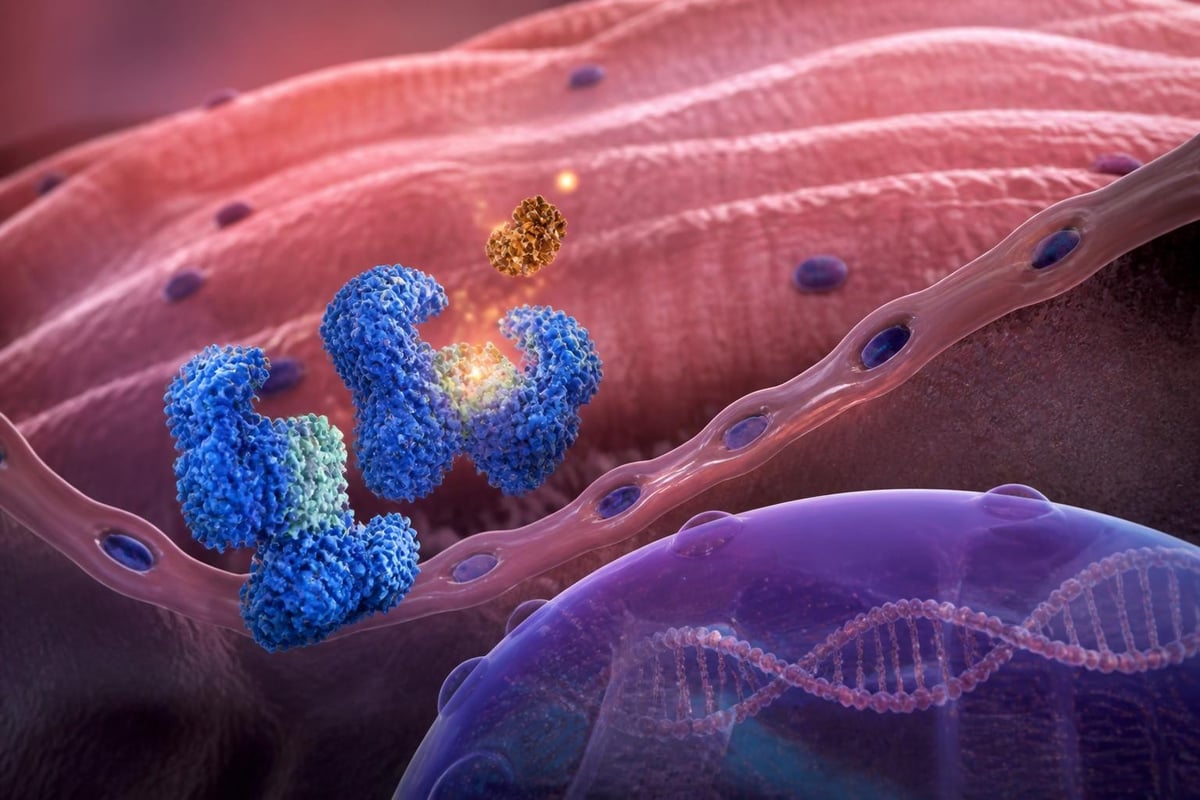
When testosterone cypionate enters the bloodstream, it binds to androgen receptors located throughout muscle tissue. This binding activates specific genetic pathways that increase the rate of protein synthesis while simultaneously reducing protein breakdown. The net result is a positive nitrogen balance, the fundamental requirement for muscle tissue growth.
Key anabolic mechanisms include:
- Enhanced satellite cell activation and proliferation
- Increased mRNA translation and protein assembly
- Reduced cortisol’s catabolic effects on muscle
- Improved insulin sensitivity and nutrient partitioning
- Elevated growth hormone and IGF-1 secretion
The pharmacokinetics of testosterone cypionate show peak plasma concentrations occurring 24-48 hours after injection, with therapeutic levels maintained for approximately 7-10 days. This profile makes weekly or twice-weekly injections the standard protocol for maintaining stable testosterone levels.
Clinical Evidence for Muscle Mass Gains
Medical literature provides substantial evidence quantifying the muscle-building effects of testosterone therapy. A systematic review and meta-analysis examining testosterone therapy outcomes in randomized controlled trials found consistent increases in lean body mass across multiple studies.
Measured Outcomes from Research
| Study Duration | Lean Mass Gain | Strength Increase | Participant Profile |
|---|---|---|---|
| 12 weeks | 2.1-3.8 kg | 8-15% upper body | Hypogonadal men |
| 24 weeks | 3.5-5.2 kg | 12-20% lower body | Middle-aged males |
| 52 weeks | 4.8-7.1 kg | 15-25% overall | TRT patients |
Research consistently demonstrates that testosterone cypionate muscle gain occurs in a dose-dependent manner. Higher testosterone levels within therapeutic or supraphysiologic ranges produce greater increases in lean mass, though returns diminish at extremely high doses.
The Endocrine Society’s clinical practice guidelines note that testosterone therapy’s effects on body composition become apparent within 12-16 weeks, with maximum benefits typically achieved by 6-12 months of continuous treatment.
Individual Response Variation
Not all individuals experience identical muscle gains from testosterone cypionate. Genetic factors, training status, nutrition quality, sleep patterns, and baseline testosterone levels all influence outcomes. Men with clinically low testosterone generally experience more dramatic improvements than those starting from normal physiological ranges.
Optimal Dosing Protocols for Muscle Development
Testosterone cypionate dosing for muscle gain varies significantly between medical testosterone replacement and performance enhancement contexts. Understanding these distinctions helps set realistic expectations and minimize health risks.
Therapeutic Replacement Dosing
For men diagnosed with hypogonadism, FDA-approved prescribing information recommends initial doses of 50-400 mg administered every 2-4 weeks. Modern protocols typically favor more frequent injections at lower individual doses to maintain stable blood levels.
Common TRT protocols:
- 100-200 mg weekly (single injection)
- 50-100 mg twice weekly (split dose)
- 30-70 mg three times weekly (frequent administration)
These replacement doses aim to restore testosterone levels to the normal physiological range of 300-1000 ng/dL, with most practitioners targeting the mid-to-upper portion of this range for optimized body composition effects.
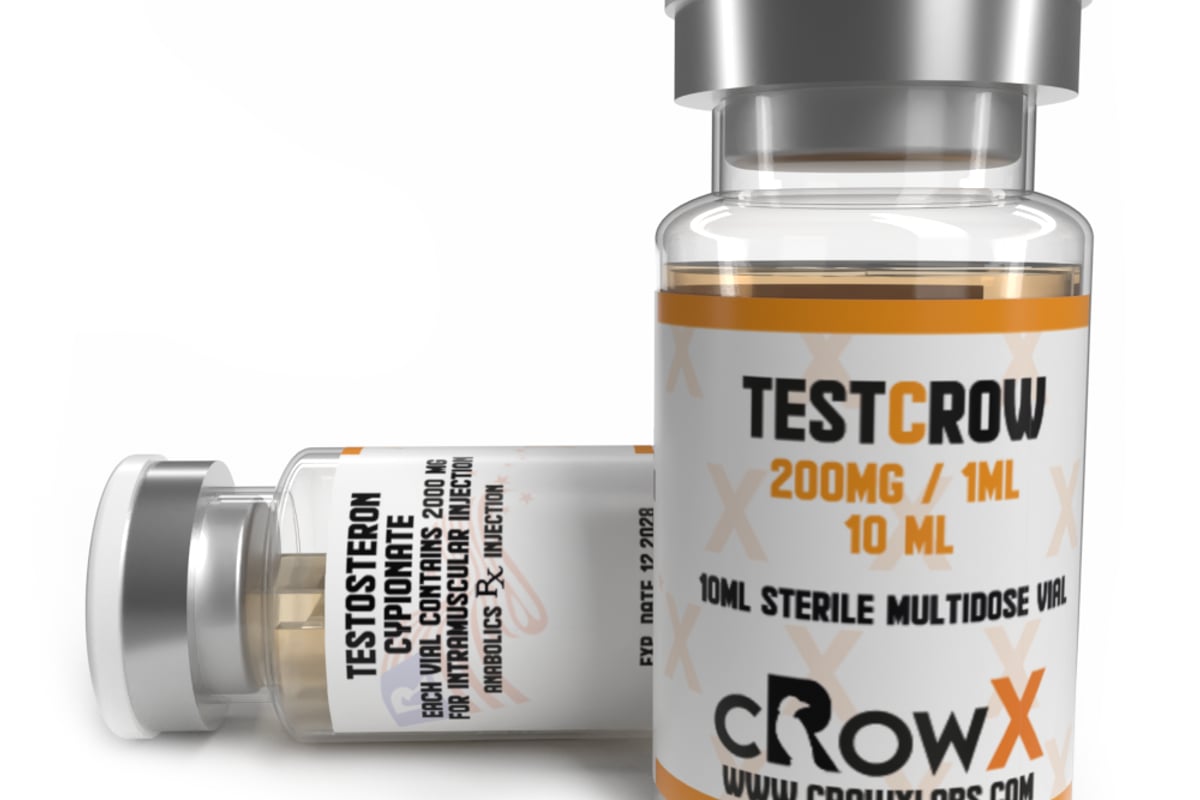
For those seeking pharmaceutical-grade options, Testosterone Cypionate 200mg represents a commonly prescribed concentration that allows precise dosing flexibility. Medical supervision remains essential for proper bloodwork monitoring and dose adjustments based on individual response.
Performance Enhancement Protocols
Athletes and bodybuilders historically use testosterone cypionate at doses exceeding therapeutic ranges. These protocols carry increased risks and should never be undertaken without comprehensive health monitoring.
| Weekly Dose | Expected Gain Timeline | Risk Profile |
|---|---|---|
| 200-300 mg | 1-2 lb/month | Moderate |
| 400-500 mg | 2-3 lb/month | Elevated |
| 600+ mg | 3-4 lb/month | Significant |
Higher doses produce greater testosterone cypionate muscle gain but proportionally increase the likelihood of adverse effects including cardiovascular strain, lipid abnormalities, and reproductive axis suppression.

Training and Nutrition Requirements
Testosterone cypionate creates an enhanced anabolic environment, but muscle tissue growth requires adequate training stimulus and nutritional support. The hormone amplifies the body’s response to resistance training rather than building muscle independently.
Optimal Training Parameters
Progressive resistance training targeting all major muscle groups forms the foundation of any muscle-building program. Testosterone cypionate muscle gain maximization occurs when training volume, intensity, and frequency align with recovery capacity.
Recommended training framework:
- 4-6 resistance training sessions weekly
- 10-20 sets per muscle group per week
- 6-12 repetitions per set for hypertrophy
- Progressive overload through weight or volume increases
- 48-72 hours recovery between muscle group training
Enhanced testosterone levels improve recovery capacity, allowing many users to increase training volume beyond their natural tolerance. However, excessive volume still produces diminishing returns and injury risk.
Nutritional Requirements
Protein synthesis increases significantly with elevated testosterone, creating higher amino acid demands. Caloric surplus provides the raw materials for new tissue construction.
| Nutritional Factor | Recommended Range | Purpose |
|---|---|---|
| Protein | 1.2-1.8 g/lb bodyweight | Muscle protein synthesis substrate |
| Calories | +300-500 above maintenance | Energy for tissue growth |
| Carbohydrates | 2-4 g/lb bodyweight | Training fuel and insulin response |
| Fats | 0.4-0.6 g/lb bodyweight | Hormone production support |
Micronutrient adequacy, hydration status, and meal timing contribute to optimizing the anabolic response to testosterone cypionate administration.
Timeline and Expected Results
Understanding realistic timeframes for testosterone cypionate muscle gain helps establish appropriate expectations and maintain adherence to protocols.
Progressive Development Phases
Weeks 1-4: Initial water retention and glycogen supercompensation create rapid weight gain of 5-10 pounds. Actual muscle tissue increases remain minimal during this phase, though strength improvements begin appearing.
Weeks 5-12: Genuine lean tissue accrual accelerates as protein synthesis remains elevated. Most users gain 1-3 pounds of actual muscle monthly during this period, depending on training, nutrition, and dosing variables.
Weeks 13-24: Muscle gain rate gradually declines as the body approaches genetic limitations and adaptive resistance develops. Continued progress requires strategic training periodization and potential protocol adjustments.
Beyond 24 weeks: Long-term testosterone cypionate users experience diminishing returns, with muscle gain rates approaching 0.5-1 pound monthly even with consistent training stimulus.
Health Monitoring and Safety Considerations
Responsible testosterone cypionate use requires comprehensive health monitoring to identify and manage potential adverse effects before they progress to serious complications.
Essential Bloodwork Panels
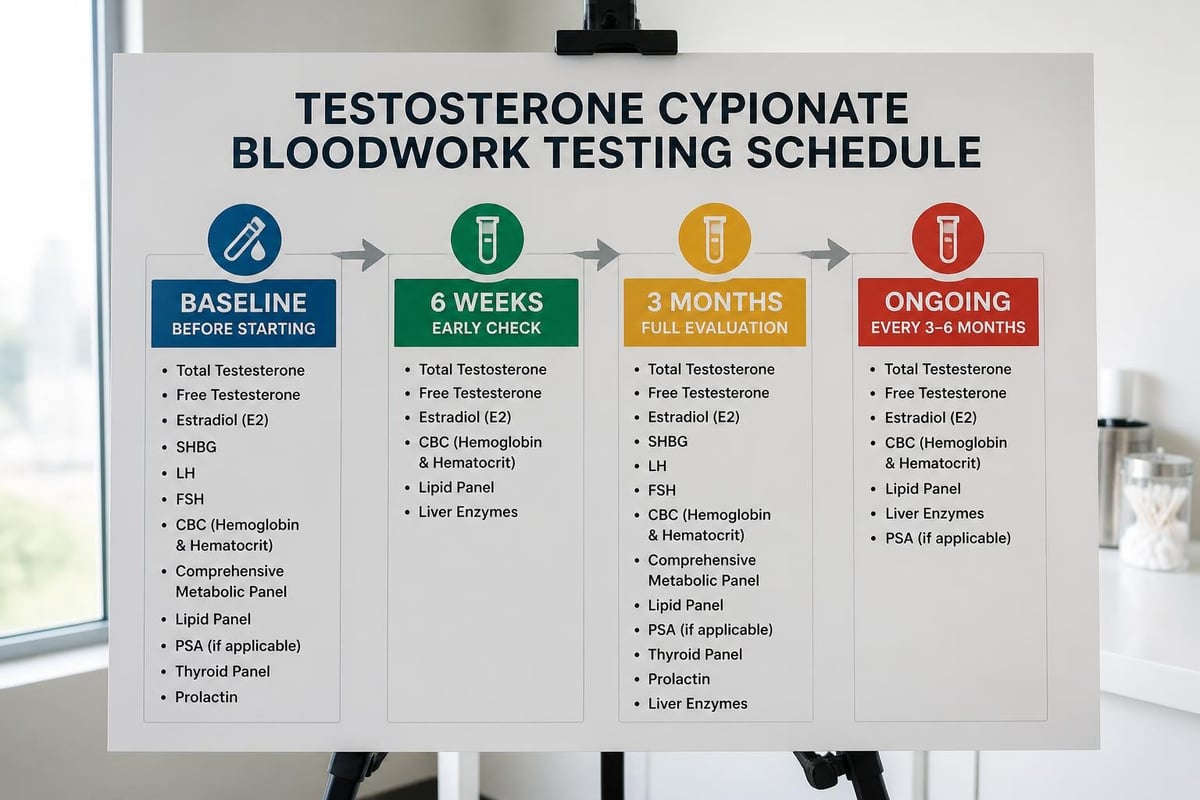
The American Urological Association guidelines recommend specific monitoring protocols for men using testosterone therapy.
Pre-treatment baseline:
- Total and free testosterone
- Complete blood count (CBC)
- Comprehensive metabolic panel
- Lipid panel
- Prostate-specific antigen (PSA)
Ongoing monitoring (every 3-6 months):
- Testosterone levels (trough timing)
- Hematocrit and hemoglobin
- Liver function markers
- Lipid profile changes
- Estradiol levels
Secondary Erythrocytosis Risk
One of the most common complications of injectable testosterone therapy involves elevated red blood cell production. A review published in a Nature-affiliated journal details how testosterone cypionate significantly increases erythropoiesis, potentially raising hematocrit to dangerous levels.
Hematocrit above 54% increases blood viscosity and thrombotic risk. Management strategies include dose reduction, therapeutic phlebotomy, and in some cases, temporary discontinuation. Regular monitoring allows early intervention before complications develop.
Maximizing Results While Minimizing Risks
Intelligent testosterone cypionate muscle gain strategies balance effectiveness with long-term health preservation. Several evidence-based approaches optimize this balance.
Dosing Strategy Refinement
Starting with lower doses and gradually increasing based on bloodwork response produces safer outcomes than immediately jumping to high doses. This titration approach identifies individual sensitivity and minimizes side effect severity.
Many experienced users find that moderate doses (200-400 mg weekly) combined with optimized training and nutrition produce 80-90% of the muscle-building results of higher doses while substantially reducing health risks.
Aromatization Management
Testosterone converts to estradiol through the aromatase enzyme. While some estradiol proves essential for optimal muscle growth, joint health, and cognitive function, excessive levels cause water retention, gynecomastia, and mood disturbances.
Aromatase inhibitor considerations:
- Monitor estradiol levels before implementing
- Start with minimal effective doses if needed
- Avoid crushing estradiol to undetectable levels
- Reassess based on symptoms and bloodwork
Some individuals require no aromatase management even at substantial testosterone doses, while others develop high estradiol at replacement levels.
Cycle Planning and Post-Cycle Considerations
For those using testosterone cypionate in finite cycles rather than indefinite replacement, proper planning of both the active phase and recovery period proves critical.
Cycle Duration Recommendations
Minimum effective cycle length for meaningful testosterone cypionate muscle gain typically spans 12-16 weeks. Shorter cycles provide insufficient time for significant tissue accrual, while excessively long cycles without medical monitoring increase health risks disproportionately.
Typical cycle structures:
- Beginner: 12 weeks at 300-400 mg weekly
- Intermediate: 16 weeks at 400-500 mg weekly
- Advanced: 20+ weeks with variable dosing
Extended cycles require more comprehensive health monitoring and recovery protocols.
Fertility and HPTA Suppression
Exogenous testosterone administration suppresses the hypothalamic-pituitary-testicular axis (HPTA), reducing natural testosterone production and sperm production. This suppression occurs at all doses, though severity increases with higher doses and longer duration.
Men concerned about fertility should explore alternative options or implement concurrent protocols to maintain spermatogenesis. Complete HPTA recovery after cycle cessation typically requires 3-12 months, with some individuals experiencing prolonged or incomplete recovery.
Realistic Expectations and Long-Term Planning
Setting achievable goals based on individual circumstances prevents disappointment and promotes sustainable practices. Testosterone cypionate muscle gain potential varies dramatically based on training history, genetic factors, and adherence to supporting protocols.
First-Time User Expectations
Men beginning testosterone therapy from a hypogonadal baseline often experience the most dramatic transformations. Gaining 15-25 pounds of lean mass over the first year represents realistic outcomes for dedicated individuals with optimal protocols.
Previously trained individuals using testosterone for performance enhancement see more modest gains, as they’ve already realized a portion of their genetic potential through natural training.
Maintenance Requirements
Muscle tissue gained during testosterone cypionate administration requires ongoing training stimulus to maintain. Individuals discontinuing testosterone without implementing proper transition protocols typically lose a significant portion of gained muscle mass during the recovery period.
Long-term planning should account for either indefinite testosterone replacement therapy under medical supervision or acceptance of partial result retention after cycle completion.
Testosterone cypionate muscle gain represents a scientifically validated approach to building lean muscle mass when implemented with proper dosing, training, and health monitoring. Understanding the mechanisms, realistic timelines, and necessary precautions allows individuals to make informed decisions aligned with their goals and risk tolerance. Whether you’re exploring testosterone replacement therapy or researching performance enhancement options, 24-7.is provides access to pharmaceutical-grade products along with the information needed to use them responsibly and effectively.