


Testosterone Cypionate Side Effects: A Complete Guide
Testosterone cypionate is one of the most widely prescribed forms of injectable testosterone for treating clinically diagnosed hypogonadism and low testosterone conditions. While this long-acting ester offers convenience and stable hormone levels, understanding its side effect profile is essential for anyone considering or currently using this medication. The Endocrine Society clinical practice guideline emphasizes that proper monitoring and awareness of potential adverse reactions are fundamental to optimizing treatment outcomes. This comprehensive guide examines the full spectrum of testosterone cypionate side effects, from mild and manageable reactions to serious health concerns requiring immediate medical attention.
Common Testosterone Cypionate Side Effects
Injection Site Reactions and Local Effects
The most frequently reported testosterone cypionate side effects occur at the injection site itself. These reactions are typically mild and resolve without intervention.
Common local reactions include:
- Pain, soreness, or tenderness at the injection site
- Redness or inflammation surrounding the injection area
- Swelling or induration (hardening) of tissue
- Itching or mild allergic skin responses
- Bruising or discoloration
Most injection site reactions diminish within 48-72 hours following administration. Proper injection technique, rotating injection sites, and warming the oil before administration can minimize these effects. Users who experience persistent or worsening local reactions should consult their healthcare provider to rule out infection or abscess formation.
Hormonal and Metabolic Changes
As exogenous testosterone enters the system, the body undergoes several metabolic shifts. Some individuals experience mild acne or oily skin due to increased sebum production stimulated by androgens. Hair growth patterns may change, with some users noting increased body hair or accelerated male-pattern baldness in genetically predisposed individuals.

Fluid retention represents another common side effect, manifesting as mild edema in the extremities or slight weight gain. This occurs because testosterone influences kidney function and electrolyte balance. The official FDA prescribing information notes that peripheral edema occurs in a notable percentage of patients, particularly those with pre-existing cardiac or renal conditions.
| Side Effect Category | Frequency | Severity | Typical Onset |
|---|---|---|---|
| Injection site pain | Very common | Mild | Immediate |
| Acne/oily skin | Common | Mild-Moderate | 2-4 weeks |
| Fluid retention | Common | Mild | 1-3 weeks |
| Mood changes | Occasional | Variable | 2-6 weeks |
Cardiovascular and Hematologic Concerns
Polycythemia and Increased Red Blood Cell Production
One of the most clinically significant testosterone cypionate side effects involves stimulation of erythropoiesis-the production of red blood cells. Testosterone enhances erythropoietin production and directly stimulates bone marrow, leading to elevated hemoglobin and hematocrit levels.
While increased oxygen-carrying capacity might seem beneficial, excessive red blood cell production creates several risks:
- Increased blood viscosity (thickness) that strains the cardiovascular system
- Higher risk of thrombotic events including deep vein thrombosis and pulmonary embolism
- Elevated stroke risk due to impaired cerebral blood flow
- Hypertension from increased vascular resistance
According to research published in the PubMed database on monitoring testosterone therapy, regular hematocrit monitoring is essential, with therapeutic phlebotomy recommended when levels exceed 54%. Physicians typically check complete blood counts every 3-6 months during the first year of therapy and annually thereafter.
Blood Pressure and Lipid Profile Alterations
Testosterone cypionate can influence cardiovascular health through multiple mechanisms beyond hematocrit elevation. Many users experience modest increases in systolic and diastolic blood pressure, particularly when combined with lifestyle factors like high sodium intake or insufficient cardiovascular exercise.
Lipid profile changes represent another important consideration. Testosterone therapy may reduce HDL (high-density lipoprotein) cholesterol-the beneficial form that protects against atherosclerosis. Simultaneously, LDL (low-density lipoprotein) and total cholesterol levels may increase, though results vary considerably between individuals.
Reproductive System and Fertility Effects
Suppression of Natural Testosterone Production
Perhaps the most profound testosterone cypionate side effects occur within the hypothalamic-pituitary-gonadal (HPG) axis. When exogenous testosterone enters the bloodstream, the body’s natural negative feedback mechanism detects supraphysiological hormone levels and responds by reducing endogenous production.
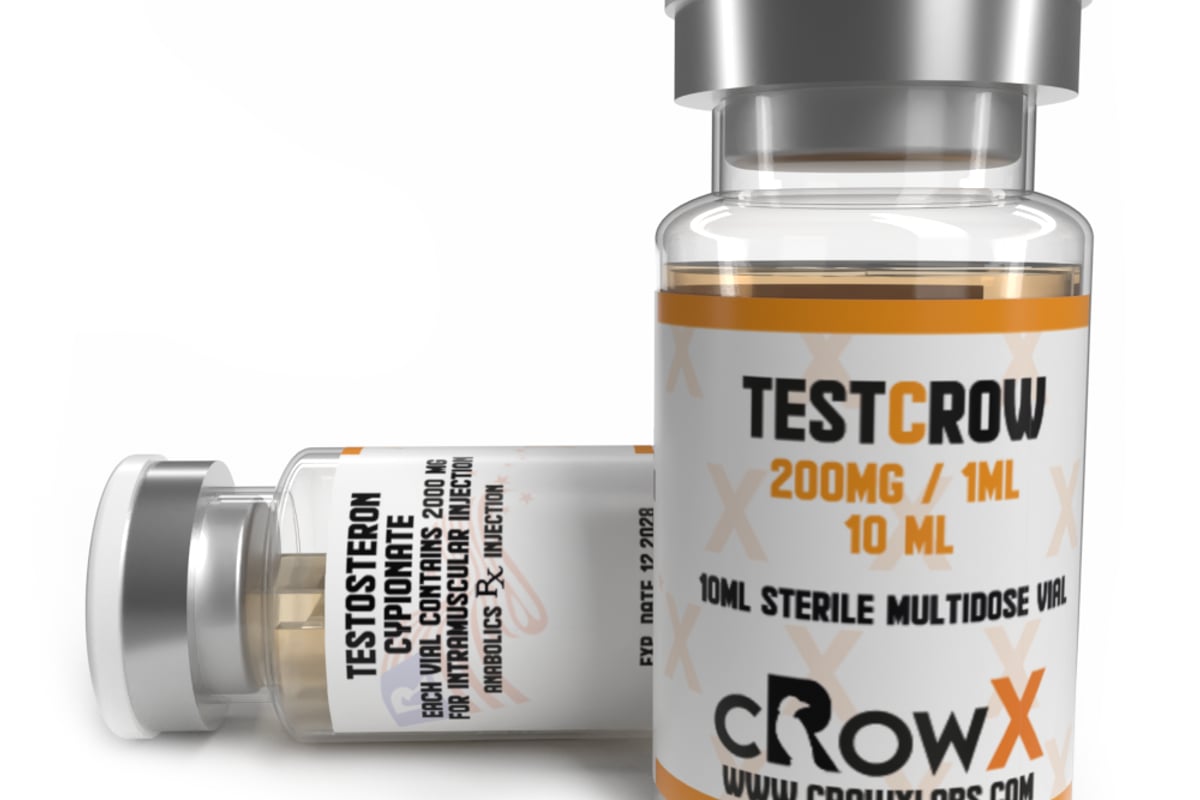
The hypothalamus decreases gonadotropin-releasing hormone (GnRH) secretion, which in turn reduces luteinizing hormone (LH) and follicle-stimulating hormone (FSH) from the pituitary gland. Without adequate LH and FSH stimulation, the testes significantly reduce or completely halt natural testosterone synthesis. For those considering testosterone cypionate, products like Testosterone Cypionate 200mg should only be used under medical supervision with proper bloodwork to monitor this suppression.
Impact on Spermatogenesis and Male Fertility
The research on suppression of spermatogenesis demonstrates that testosterone cypionate profoundly affects sperm production. FSH plays a crucial role in stimulating Sertoli cells, which support developing sperm. When FSH levels drop due to exogenous testosterone administration, sperm production declines proportionally.
Key fertility considerations:
- Sperm counts typically decrease within 8-12 weeks of initiating therapy
- Azoospermia (complete absence of sperm) occurs in approximately 65-90% of users
- Recovery of spermatogenesis after discontinuation takes 3-12 months or longer
- Some individuals may experience prolonged or incomplete recovery
- Pre-treatment sperm banking should be discussed with men desiring future fertility
Men of reproductive age must receive comprehensive counseling about these effects before initiating therapy. The American Urological Association guideline specifically addresses fertility preservation strategies for patients concerned about future reproductive potential.

Psychological and Neurological Side Effects
Mood Alterations and Behavioral Changes
Testosterone exerts significant influence on brain chemistry and behavior through multiple pathways. While many users report improved mood and energy, others experience testosterone cypionate side effects involving psychological disturbances.
Potential mood-related effects include:
- Increased irritability or aggression in some individuals, particularly at supraphysiological doses
- Mood swings as hormone levels fluctuate between injection cycles
- Anxiety symptoms related to hormonal changes or awareness of health risks
- Depressive episodes particularly during dose adjustments or discontinuation
- Changes in libido (usually increased, but occasionally decreased)
Individual responses vary dramatically based on dose, baseline personality traits, genetic factors, and psychosocial circumstances. The neuropsychiatric effects of androgens involve complex interactions with neurotransmitter systems including serotonin, dopamine, and GABA.
Sleep Disturbances
Sleep apnea represents a particularly concerning neurological side effect. Testosterone can worsen pre-existing obstructive sleep apnea or trigger new-onset cases through several mechanisms including increased neck circumference from muscle growth, central respiratory drive changes, and fluid retention affecting upper airway patency.
Hepatic, Renal, and Metabolic Effects
Liver Function and Enzyme Elevation
Unlike oral methylated steroids, injectable testosterone cypionate poses minimal hepatotoxicity risk. However, the FDA-approved labeling notes that monitoring liver enzymes remains prudent, particularly in patients with pre-existing hepatic conditions.
Metabolic monitoring should include:
- Liver function tests (ALT, AST) at baseline and periodically
- Lipid panel assessments every 3-6 months initially
- Fasting glucose and hemoglobin A1c for diabetic patients
- Kidney function markers (creatinine, eGFR) in at-risk individuals
Insulin Sensitivity and Glucose Metabolism
Testosterone influences glucose metabolism and insulin sensitivity through multiple pathways. While testosterone replacement may improve insulin sensitivity in hypogonadal men with metabolic syndrome, supraphysiological doses or improper use can worsen glycemic control, particularly in diabetic patients.
| Monitoring Parameter | Frequency (Year 1) | Frequency (Ongoing) | Action Threshold |
|---|---|---|---|
| Hematocrit | Every 3-6 months | Annually | >54% |
| PSA (men >40) | 3-6 months | Annually | >1.4 ng/mL increase |
| Lipid panel | Every 3-6 months | Annually | Per guidelines |
| Liver enzymes | Baseline, 6 months | As indicated | >2x upper limit |
Prostate-Related Concerns
Benign Prostatic Hyperplasia and Lower Urinary Symptoms
Testosterone cypionate side effects frequently involve the prostate gland, which contains high concentrations of androgen receptors. While current evidence does not support testosterone causing prostate cancer in healthy men, it can exacerbate pre-existing conditions.
Common prostate-related effects include:
- Acceleration of benign prostatic hyperplasia (BPH) growth
- Worsening lower urinary tract symptoms (frequency, urgency, weak stream)
- Elevated PSA levels requiring careful monitoring and interpretation
- Increased prostate volume detectable on digital rectal examination
The relationship between testosterone therapy and prostate cancer remains complex and somewhat controversial. Current guidelines from major endocrinology and urology organizations state that testosterone does not initiate prostate cancer but may stimulate growth of existing malignancy. Men with diagnosed prostate cancer should not receive testosterone therapy.
PSA Monitoring Protocols
Prostate-specific antigen (PSA) screening follows specific protocols during testosterone therapy. Baseline PSA measurement is mandatory before initiating treatment. Follow-up testing occurs at 3-6 months, then annually for men over 40 years old or those with additional risk factors.
Concerning PSA changes include absolute values above 4.0 ng/mL, increases greater than 1.4 ng/mL within 12 months, or PSA velocity exceeding 0.75 ng/mL per year. These findings warrant urological consultation and potentially prostate biopsy.
Dermatological and Aesthetic Side Effects
Acne and Sebaceous Gland Activity
Androgenic stimulation of sebaceous glands represents one of the most visible testosterone cypionate side effects. Increased sebum production creates an environment conducive to acne development, particularly on the face, chest, shoulders, and back.
Acne severity correlates with dose, individual sensitivity, and genetic predisposition. Management strategies include topical retinoids, benzoyl peroxide preparations, oral antibiotics for moderate cases, and isotretinoin for severe refractory acne. Some individuals require dose adjustment to control dermatological side effects.
Androgenic Alopecia Acceleration
Men genetically predisposed to male-pattern baldness may experience accelerated hair loss with testosterone therapy. Testosterone converts to dihydrotestosterone (DHT) via the enzyme 5-alpha reductase, and DHT exerts particularly potent effects on hair follicles in androgen-sensitive scalp regions.

Options for managing androgenic alopecia include 5-alpha reductase inhibitors (finasteride, dutasteride), though these medications reduce DHT systemically and may interfere with some desired effects of testosterone therapy. Topical minoxidil offers an alternative approach without hormonal interference.
Rare but Serious Adverse Reactions
Cardiovascular Events
While debate continues regarding testosterone’s cardiovascular risks, certain serious events warrant immediate medical attention. The MedlinePlus drug information advises patients to seek emergency care for chest pain, shortness of breath, sudden severe headache, vision changes, or weakness on one side of the body.
Potentially serious cardiovascular testosterone cypionate side effects include:
- Myocardial infarction (heart attack), particularly in men with pre-existing coronary disease
- Stroke or transient ischemic attack related to polycythemia or thrombotic tendency
- Venous thromboembolism including deep vein thrombosis and pulmonary embolism
- Sudden cardiac death in rare cases with underlying structural heart disease
Risk stratification before initiating therapy helps identify candidates requiring enhanced monitoring or alternative treatment approaches.
Hypersensitivity and Allergic Reactions
Though uncommon, severe allergic reactions to testosterone cypionate or the carrier oils can occur. Symptoms range from mild urticaria and pruritus to life-threatening anaphylaxis with bronchospasm, hypotension, and angioedema. Any signs of respiratory difficulty, tongue or throat swelling, or widespread hives require immediate emergency medical evaluation.
Minimizing and Managing Side Effects
Dose Optimization and Administration Frequency
Many testosterone cypionate side effects relate directly to dose and the resulting peak-to-trough hormone fluctuations. Traditional dosing protocols using 200mg every two weeks create substantial variation in serum levels, with supraphysiological peaks shortly after injection followed by subtherapeutic troughs before the next dose.
More frequent administration schedules (100mg weekly or 50mg twice weekly) provide more stable hormone levels and often reduce side effects including mood swings, acne, and excessive aromatization to estrogen. Working with experienced healthcare providers to optimize individual protocols based on blood work and symptom response improves outcomes.
Ancillary Medications and Support Strategies
Certain adjunctive therapies help manage specific testosterone cypionate side effects:
| Side Effect | Management Strategy | Implementation |
|---|---|---|
| Elevated hematocrit | Therapeutic phlebotomy | Remove 1 unit blood when >54% |
| Estrogen-related effects | Aromatase inhibitors | Low-dose anastrozole or exemestane |
| DHT-mediated issues | 5-alpha reductase inhibitors | Finasteride 1mg or dutasteride 0.5mg |
| Cardiovascular risk | Lifestyle modification | Diet, exercise, blood pressure control |
Long-Term Considerations and Monitoring
Duration of Therapy and Cumulative Risks
The long-term safety profile of testosterone cypionate extends across decades of clinical use in hypogonadal men. However, supraphysiological dosing for non-medical purposes carries risks that may accumulate over time. Cardiovascular remodeling, left ventricular hypertrophy, and progressive prostate changes represent potential concerns with prolonged exposure to elevated androgen levels.
Regular comprehensive monitoring becomes increasingly important with extended therapy duration. Annual assessments should include detailed cardiovascular evaluation, prostate examination with PSA testing, bone density screening (as testosterone affects bone metabolism), and comprehensive metabolic panels.
Discontinuation and Recovery
Stopping testosterone cypionate after prolonged use requires careful management. Abrupt cessation while natural production remains suppressed creates a temporary state of hypogonadism that may persist for months. Symptoms during this recovery period can include fatigue, depression, loss of muscle mass, increased body fat, and diminished libido.
Post-cycle therapy protocols, though controversial in medical literature, aim to accelerate recovery of the HPG axis using medications like selective estrogen receptor modulators (SERMs) or human chorionic gonadotropin (hCG). Medical supervision during discontinuation helps manage symptoms and monitor hormonal recovery through serial laboratory testing.
Understanding testosterone cypionate side effects enables informed decision-making and proactive health management throughout therapy. While this medication offers significant benefits for men with clinically diagnosed hypogonadism, successful outcomes depend on appropriate patient selection, careful monitoring, and prompt intervention when adverse effects arise. 24-7.is provides access to quality testosterone products and related compounds for those working with healthcare providers to optimize their hormone therapy protocols. Whether you’re researching treatment options or seeking reliable suppliers, informed choices based on comprehensive medical guidance ensure the safest possible outcomes.





