

Testosterone Muscle Gain: Science-Backed Guide 2026
Testosterone muscle gain represents one of the most studied and validated relationships in exercise physiology and endocrinology. This androgenic hormone plays a fundamental role in building and maintaining skeletal muscle mass through multiple biological pathways. Understanding how testosterone influences muscle tissue helps individuals make informed decisions about training, nutrition, and therapeutic interventions. The connection between adequate testosterone levels and muscle development extends beyond simple correlation, involving complex mechanisms at the cellular, molecular, and systemic levels that regulate protein synthesis, satellite cell activation, and metabolic efficiency.
The Biological Mechanisms Behind Testosterone Muscle Gain
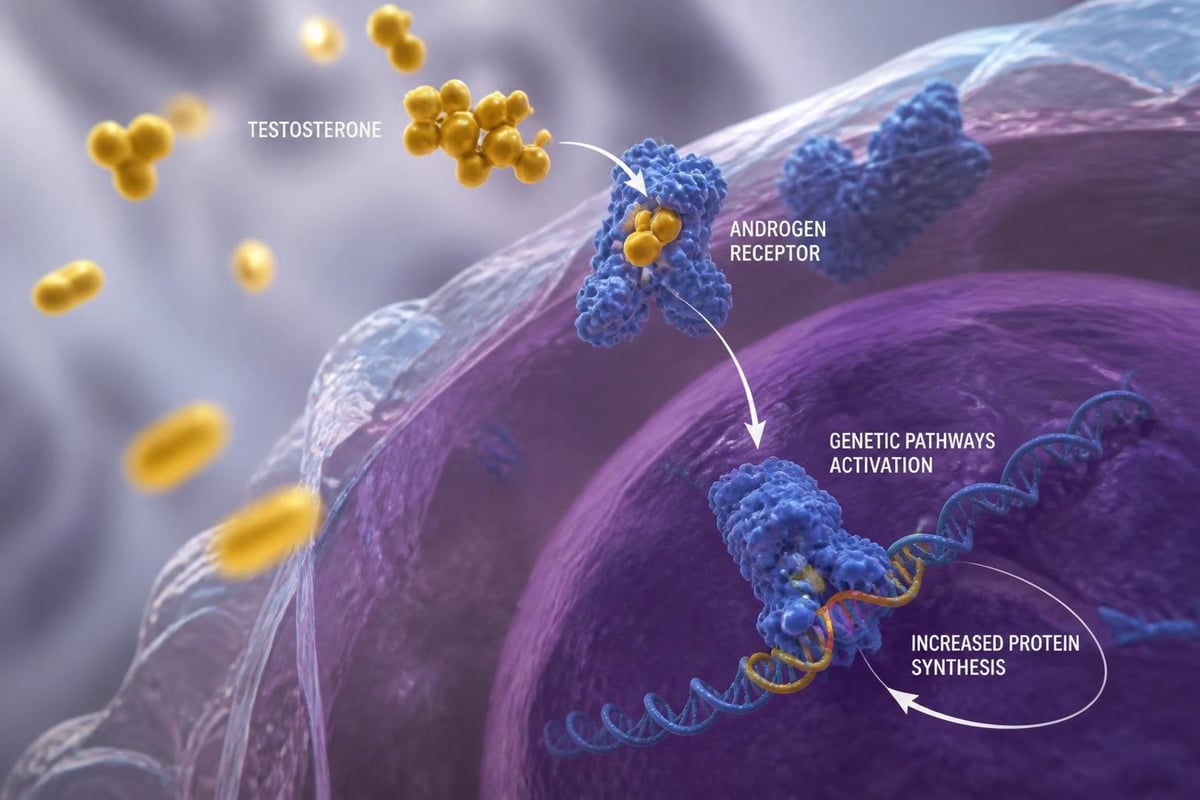
Testosterone drives muscle hypertrophy through several distinct pathways that work synergistically to promote tissue growth and repair. The hormone binds to androgen receptors located within muscle cells, triggering a cascade of genetic expression changes that increase protein synthesis rates while simultaneously reducing protein breakdown.
Androgen Receptor Activation and Protein Synthesis
When testosterone enters muscle cells, it binds to cytoplasmic androgen receptors, forming a complex that translocates to the cell nucleus. This complex then binds to specific DNA sequences called androgen response elements, upregulating genes responsible for muscle protein production. Research published in Sports Medicine – Open demonstrates that this process significantly increases the rate at which muscle cells manufacture new contractile proteins, particularly myosin heavy chain and actin.
The anabolic effects manifest through:
- Enhanced ribosomal efficiency for translating mRNA into muscle proteins
- Increased amino acid uptake into muscle cells
- Reduced muscle protein degradation through inhibition of proteolytic pathways
- Activation of mTOR signaling that regulates cell growth and protein synthesis
Satellite Cell Proliferation and Muscle Repair
Beyond direct protein synthesis effects, testosterone muscle gain involves activating satellite cells, the stem cells responsible for muscle repair and growth. These dormant cells become activated during muscle stress or damage, proliferating and fusing with existing muscle fibers to donate nuclei that support increased protein production capacity.
According to endocrine regulation research in skeletal muscle, testosterone significantly increases satellite cell number and activation potential. This creates a larger pool of reserve cells capable of responding to training stimuli, effectively raising the ceiling for muscle growth.
| Mechanism | Effect on Muscle | Time Frame |
|---|---|---|
| Direct protein synthesis | Increased muscle protein production | Hours to days |
| Satellite cell activation | Enhanced repair capacity | Days to weeks |
| Myonuclear addition | Expanded growth potential | Weeks to months |
| IGF-1 upregulation | Amplified anabolic signaling | Days to weeks |
Testosterone Levels and Muscle Mass Correlation
The relationship between testosterone concentration and muscle mass follows a dose-dependent pattern within physiological and supraphysiological ranges. Men with clinically low testosterone typically present with reduced lean body mass, decreased strength, and increased fat accumulation, particularly in the abdominal region.
Clinical Evidence for Testosterone Muscle Gain
A comprehensive systematic review and meta-analysis examining randomized placebo-controlled trials confirmed that testosterone therapy produces statistically significant increases in lean body mass across diverse populations. The magnitude of effect varies based on baseline testosterone levels, dosage, treatment duration, and concurrent resistance training.
Key findings from clinical trials include:
- Lean mass increases of 1.5 to 3.5 kg over 12-24 weeks in hypogonadal men
- Greater effects observed when combining testosterone therapy with resistance exercise
- Minimal changes in muscle mass when baseline testosterone falls within normal range
- Dose-dependent responses up to certain threshold levels
The American Urological Association guideline outlines clinical considerations for therapy, noting that while testosterone reliably increases lean mass, functional strength improvements require concurrent physical training.
Optimal Testosterone Ranges for Muscle Development
Total testosterone levels between 600-1000 ng/dL generally support maximal muscle-building potential in most men. However, individual response varies considerably based on genetic factors, androgen receptor density and sensitivity, and overall hormonal milieu including growth hormone, IGF-1, and insulin.
Free testosterone, the biologically active unbound fraction, may prove more relevant than total testosterone for predicting muscle gain response. Higher free testosterone availability correlates more strongly with muscle protein synthesis rates and hypertrophic adaptations to resistance training.

Resistance Training and Testosterone Synergy
Exercise, particularly heavy resistance training, creates the mechanical and metabolic stimulus that allows testosterone muscle gain to occur. Without adequate training stress, even elevated testosterone levels produce limited hypertrophic results, as muscle tissue requires mechanical tension, metabolic stress, and muscle damage signals to trigger growth adaptations.
How Training Amplifies Testosterone Effects
Resistance exercise acutely elevates testosterone levels for 15-60 minutes post-workout while simultaneously increasing androgen receptor density and sensitivity in trained muscles. This dual effect creates a window of enhanced anabolic signaling where testosterone can exert maximal effects on protein synthesis and satellite cell activation.
The interaction works through multiple mechanisms:
- Mechanical tension activates mechanoreceptors that enhance androgen receptor expression
- Metabolic stress from training increases muscle cell sensitivity to anabolic hormones
- Muscle damage triggers satellite cell activation that testosterone amplifies
- Nutrient delivery improves as testosterone enhances vascularity and blood flow
Training Variables That Maximize Testosterone Muscle Gain
Specific training parameters optimize the synergistic relationship between testosterone and muscle growth. Cochrane systematic review data evaluating synthetic androgens indicates that structured progressive resistance training produces superior outcomes compared to hormone therapy alone.
| Training Variable | Optimal Range | Rationale |
|---|---|---|
| Intensity | 70-85% 1RM | Maximizes mechanical tension and metabolic stress |
| Volume | 10-20 sets per muscle group weekly | Provides sufficient stimulus without overtraining |
| Frequency | 2-3 sessions per muscle group weekly | Balances stimulus with recovery time |
| Rest periods | 1-3 minutes | Allows adequate recovery for high-quality sets |
Compound movements like squats, deadlifts, and bench presses stimulate larger acute testosterone responses compared to isolation exercises, though both contribute to overall muscle development when testosterone levels support growth.
Nutritional Considerations for Testosterone-Driven Muscle Growth
Adequate nutrition provides the raw materials necessary for testosterone muscle gain to manifest as actual tissue growth. Insufficient caloric intake, protein deficiency, or micronutrient gaps can limit the anabolic potential even when testosterone levels and training stimulus remain optimal.
Protein Requirements During Testosterone Therapy
Muscle protein synthesis rates increase substantially when testosterone levels rise, creating elevated protein requirements to support new tissue construction. Research suggests that individuals with higher testosterone levels or those using testosterone therapy may benefit from protein intakes toward the higher end of recommended ranges.
Protein intake guidelines for maximizing testosterone muscle gain:
- Minimum 1.6 grams per kilogram of body weight daily
- Up to 2.4 g/kg may provide additional benefits during therapy
- Distribution across 4-5 meals optimizes sustained protein synthesis
- Leucine-rich sources trigger mTOR signaling that complements testosterone effects
Caloric Surplus and Body Composition
Building new muscle tissue requires energy beyond maintenance needs. A moderate caloric surplus of 200-500 calories above total daily energy expenditure supports muscle accrual while minimizing excessive fat gain. Testosterone improves nutrient partitioning, directing more calories toward muscle tissue rather than fat storage, but does not eliminate the need for appropriate energy balance.
Macronutrient distribution should prioritize adequate protein while balancing carbohydrates for training fuel and fats for hormone production. Dietary fats, particularly saturated and monounsaturated fats, serve as precursors for testosterone synthesis and should not be excessively restricted.
Therapeutic Testosterone for Muscle Preservation and Growth
Medical testosterone therapy addresses clinically diagnosed hypogonadism, a condition where the body produces insufficient testosterone due to testicular dysfunction, pituitary disorders, or other medical conditions. When properly prescribed and monitored by healthcare providers, testosterone replacement therapy (TRT) can restore muscle mass that has deteriorated due to hormonal deficiency.
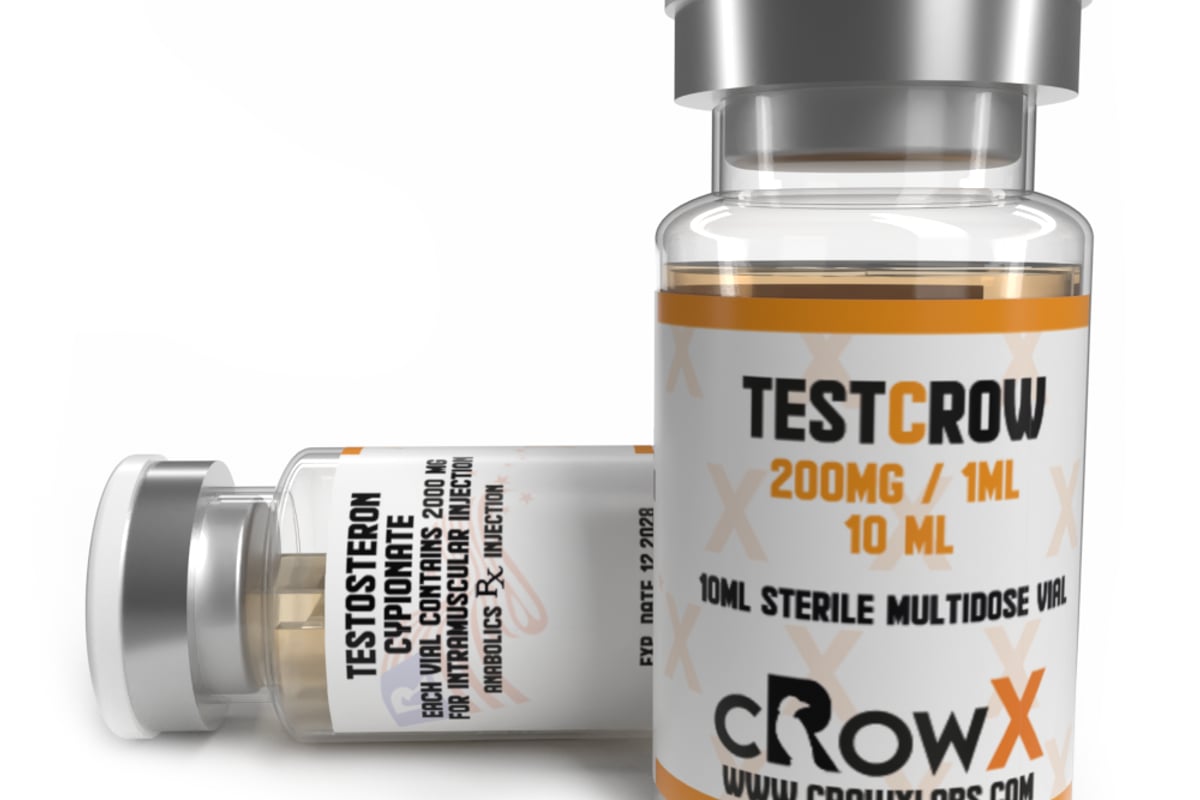
For individuals with documented low testosterone who are considering therapeutic options, formulations like Testosterone Cypionate 200mg represent long-acting injectable forms commonly used under medical supervision. These require proper bloodwork, follow-up care, and ongoing medical monitoring to ensure safety and efficacy.
Medical Evaluation and Monitoring
Harvard Health Publishing emphasizes the importance of comprehensive evaluation before initiating testosterone therapy. Appropriate candidates include men with clinical symptoms of hypogonadism confirmed by multiple morning testosterone measurements below 300 ng/dL.
Ongoing monitoring should assess:
- Hematocrit levels to prevent excessive red blood cell production
- Prostate health markers including PSA screening
- Lipid profiles as testosterone can affect cholesterol
- Liver function particularly with oral formulations
- Testosterone levels to ensure therapeutic range without excess
Muscle gain represents just one potential benefit of restoring testosterone to physiological levels. Other improvements may include enhanced energy, improved mood, better cognitive function, and increased bone density.

Age-Related Testosterone Decline and Muscle Loss
Testosterone production naturally decreases approximately 1-2% annually after age 30, contributing to age-related muscle loss known as sarcopenia. This gradual decline, combined with reduced physical activity and nutritional changes, accelerates the loss of lean tissue and functional strength in aging populations.
Sarcopenia and Hormonal Factors
The intersection of declining testosterone and muscle mass creates a concerning cycle where reduced activity leads to lower testosterone production, which further compromises muscle maintenance. Breaking this cycle requires addressing both hormonal optimization and physical activity levels.
Men experiencing symptoms of age-related testosterone decline should seek medical evaluation to distinguish normal aging from pathological hypogonadism requiring treatment. Not all age-related decline necessitates intervention, but symptomatic individuals with confirmed low levels may benefit from properly supervised therapy.
Lifestyle Interventions for Natural Testosterone Support
Before considering pharmaceutical interventions, several evidence-based lifestyle modifications can support healthy testosterone levels and muscle maintenance:
- Resistance training 3-4 times weekly stimulates both testosterone production and muscle growth
- Adequate sleep of 7-9 hours nightly supports hormonal balance and recovery
- Stress management reduces cortisol that antagonizes testosterone effects
- Healthy body composition as excess body fat increases aromatase enzyme activity converting testosterone to estrogen
- Micronutrient sufficiency particularly zinc, magnesium, and vitamin D that support testosterone synthesis
Individual Response Variation to Testosterone Muscle Gain
Genetic factors significantly influence how individuals respond to testosterone in terms of muscle development. Androgen receptor gene polymorphisms, myostatin gene variants, and differences in satellite cell populations create substantial inter-individual variation in hypertrophic response.
Genetic Factors Affecting Response
Some individuals possess genetic advantages for testosterone muscle gain, including higher androgen receptor density, greater receptor sensitivity, or enhanced protein synthesis machinery. Others may require higher testosterone levels or longer intervention periods to achieve comparable results.
Key genetic variables include:
- CAG repeat length in the androgen receptor gene (shorter repeats = greater sensitivity)
- ACTN3 R577X polymorphism affecting fast-twitch muscle fiber composition
- Myostatin gene variants influencing muscle growth limitation
- IGF-1 gene variations affecting anabolic signaling capacity
This genetic variation explains why standardized testosterone therapy protocols produce different magnitude responses across individuals, even when controlling for training and nutrition variables.
Practical Implications for Programming
Understanding individual response patterns requires patience and systematic tracking. Initial testosterone muscle gain may occur rapidly in the first 3-6 months, then plateau as the body reaches new homeostatic set points. Further progress requires adjusting training variables, addressing nutritional factors, or re-evaluating hormonal optimization strategies with medical guidance.
Realistic expectations based on individual starting points, genetic potential, and intervention type help maintain adherence to long-term muscle development programs. Comparing personal progress against individual baselines proves more useful than comparisons to population averages or exceptional responders.
Safety Considerations and Risk Management
While testosterone muscle gain offers clear benefits for appropriate candidates, understanding potential risks ensures informed decision-making. Adverse effects vary based on dosage, administration route, treatment duration, and individual predisposition to specific complications.
Common Side Effects and Monitoring
Medical supervision identifies and manages side effects before they become serious health concerns. Regular monitoring allows dose adjustments or intervention modifications that optimize the risk-benefit ratio.
| Side Effect | Frequency | Monitoring Strategy |
|---|---|---|
| Elevated hematocrit | Common (15-30%) | CBC every 3-6 months |
| Acne/oily skin | Common (10-25%) | Clinical assessment |
| Sleep apnea worsening | Moderate (5-15%) | Sleep study if symptomatic |
| Testicular atrophy | Common with supraphysiological doses | Physical examination |
| Gynecomastia | Uncommon (1-5%) | Estradiol monitoring, clinical exam |
Cardiovascular considerations represent ongoing research areas with mixed evidence. While some studies suggest potential risks, others find neutral or beneficial effects on cardiovascular health markers. Individual risk factors including pre-existing cardiovascular disease, lipid abnormalities, and family history should inform treatment decisions.
Fertility Implications
Exogenous testosterone suppresses the hypothalamic-pituitary-gonadal axis, reducing natural testosterone production and spermatogenesis. Men concerned about fertility should discuss preservation strategies with healthcare providers before initiating therapy, as recovery after cessation varies considerably among individuals.
Measuring Progress and Adjusting Strategies
Tracking testosterone muscle gain requires objective measurements that distinguish actual muscle tissue increases from changes in water retention, glycogen storage, or measurement error. Multiple assessment methods provide complementary information about body composition changes.
Effective Progress Tracking Methods
- DEXA scanning provides gold-standard body composition data showing lean mass distribution
- Circumference measurements of arms, chest, thighs, and waist track regional changes
- Strength progression in compound lifts indicates functional muscle development
- Progress photographs capture visual changes that measurements may miss
- Bioelectrical impedance offers convenient home monitoring despite lower precision
Measurements should occur consistently under similar conditions (time of day, hydration status, food intake) to minimize variability. Monthly assessments provide sufficient frequency to detect trends without excessive data noise from daily fluctuations.
When to Adjust Approach
Plateaus in testosterone muscle gain signal the need for strategic modifications rather than abandoning effective protocols. After initial rapid gains, muscle accrual slows as individuals approach genetic potential or homeostatic adaptation occurs.
Strategic adjustment options include:
- Increasing training volume by adding sets or frequency
- Modifying exercise selection to target different muscle fiber recruitment patterns
- Adjusting caloric intake to ensure adequate surplus without excessive fat gain
- Reviewing medication compliance and blood levels with healthcare providers
- Addressing sleep, stress, or recovery factors limiting adaptation
Testosterone muscle gain represents a well-established biological phenomenon supported by decades of research across clinical and athletic populations. Understanding the mechanisms, optimizing training and nutrition, and approaching therapeutic interventions with appropriate medical supervision create the foundation for sustainable muscle development. Whether addressing age-related decline, clinical hypogonadism, or performance optimization goals, 24-7.is provides access to testosterone products and related compounds for individuals working with healthcare providers to achieve their physique and health objectives.