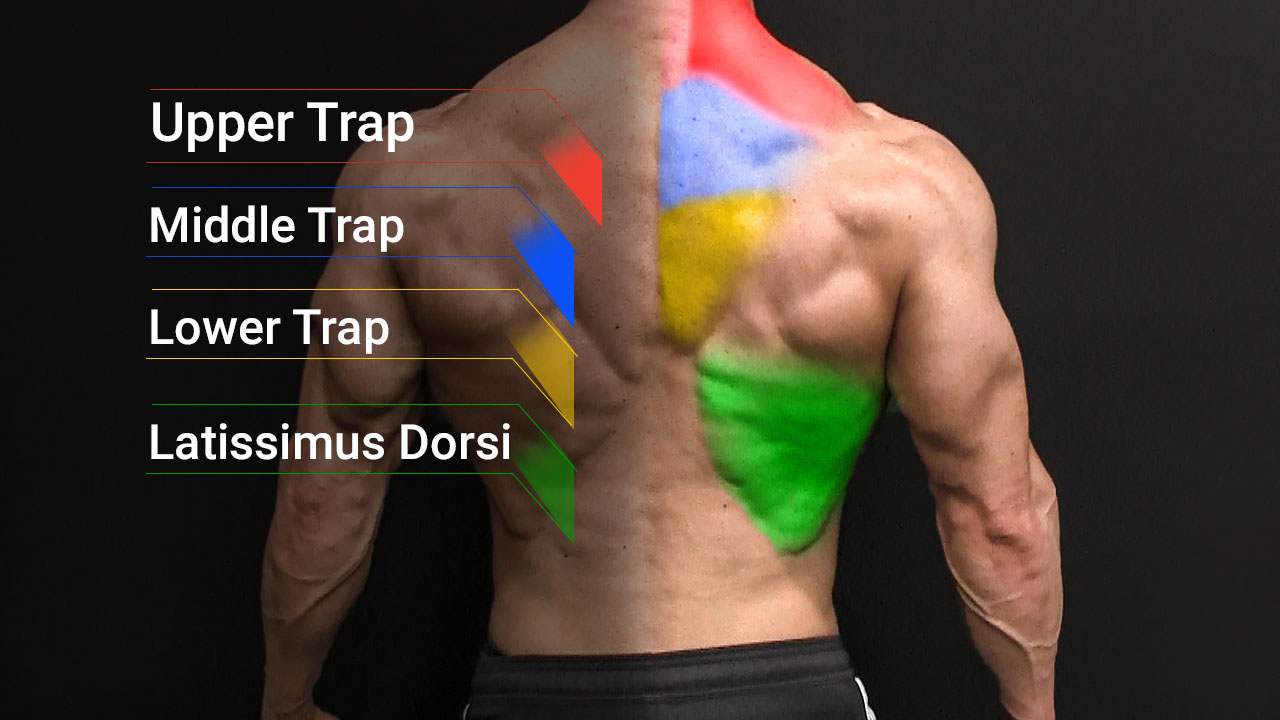

Testosterone Weight Gain: Causes Effects & Solutions
The connection between testosterone and body weight represents one of the most misunderstood aspects of male health and hormone management. While many people associate testosterone with muscle building and fat loss, the relationship is far more complex than simple cause and effect. Testosterone weight gain can occur in multiple scenarios: when levels drop too low, when replacement therapy is mismanaged, or when lifestyle factors interact with hormonal changes. Understanding these mechanisms is essential for anyone experiencing unexplained weight changes or considering hormone optimization strategies. This comprehensive guide examines the science behind testosterone-related weight fluctuations and provides actionable insights for managing body composition effectively.
Understanding the Testosterone-Weight Relationship
Testosterone plays a crucial regulatory role in how the male body stores and uses energy. This hormone influences multiple metabolic pathways that directly affect body composition, including fat distribution, muscle protein synthesis, and insulin sensitivity.
When testosterone levels fall below optimal ranges, men typically experience a shift in body composition characterized by increased fat mass and decreased lean muscle tissue. The National Institutes of Health research on obesity and sex hormones demonstrates that low testosterone creates a metabolic environment favoring fat accumulation, particularly in the abdominal region.

Low Testosterone and Fat Accumulation
The mechanisms linking low testosterone to weight gain involve several interconnected systems:
- Reduced metabolic rate: Lower testosterone decreases resting energy expenditure
- Insulin resistance: Diminished testosterone sensitivity impairs glucose metabolism
- Increased fat storage enzymes: Hormonal changes activate pathways promoting adipose tissue expansion
- Decreased lipolysis: Lower capacity to break down stored fat for energy
- Muscle mass loss: Reduced anabolic signaling leads to muscle catabolism
Research consistently shows that men with clinically low testosterone tend to carry more visceral fat, the metabolically active fat surrounding internal organs. This type of fat accumulation creates additional health risks beyond simple weight gain, including cardiovascular disease and type 2 diabetes.
The Bidirectional Nature of Testosterone Weight Gain
One of the most important concepts to understand is that testosterone and body weight influence each other in both directions. A 2024 analysis published in the International Journal of Obesity revealed that weight loss in obese men significantly increases testosterone levels, while testosterone therapy can facilitate fat loss in hypogonadal men.
This creates a potential cycle:
- Low testosterone promotes fat gain
- Increased fat mass further suppresses testosterone production
- Lower testosterone makes weight loss more difficult
- Successful weight reduction improves testosterone levels naturally
Breaking this cycle requires addressing both hormonal status and lifestyle factors simultaneously.
Testosterone Replacement Therapy and Weight Changes
Men beginning testosterone replacement therapy (TRT) often have questions about expected weight changes. The reality is that testosterone weight gain during therapy is possible, though the composition of that weight matters significantly.
| Weight Change Type | Typical Timeline | Composition | Clinical Significance |
|---|---|---|---|
| Initial water retention | 1-4 weeks | Intramuscular water | Temporary, resolves naturally |
| Lean mass increase | 3-6 months | Muscle tissue | Beneficial, improves metabolism |
| Fat mass reduction | 3-12 months | Adipose tissue | Positive health outcome |
| Scale weight increase | Variable | Mixed muscle/water | May occur despite fat loss |
According to a systematic review of randomized controlled trials, testosterone therapy typically increases lean body mass by 1-3 kg while reducing fat mass by a similar amount over 6-12 months. However, individual responses vary considerably based on baseline body composition, dosing protocols, and concurrent lifestyle modifications.
Why Some Men Experience Unwanted Weight Gain on TRT
Despite the generally favorable body composition changes associated with properly managed testosterone therapy, some men do experience problematic testosterone weight gain. Several factors contribute to this outcome:
Excessive dosing beyond physiological replacement levels can trigger side effects including increased aromatization to estrogen, which promotes fat storage and fluid retention. Men using supraphysiological doses without medical supervision face higher risks of adverse metabolic effects.
Dietary changes often accompany testosterone therapy, with increased appetite being a common experience. Without conscious nutritional management, the appetite-stimulating effects can lead to caloric surplus and actual fat gain.
Estrogen conversion becomes particularly relevant when testosterone doses are high. The aromatase enzyme converts testosterone to estradiol, and elevated estrogen levels can cause water retention, gynecomastia, and changes in fat distribution that manifest as weight gain.
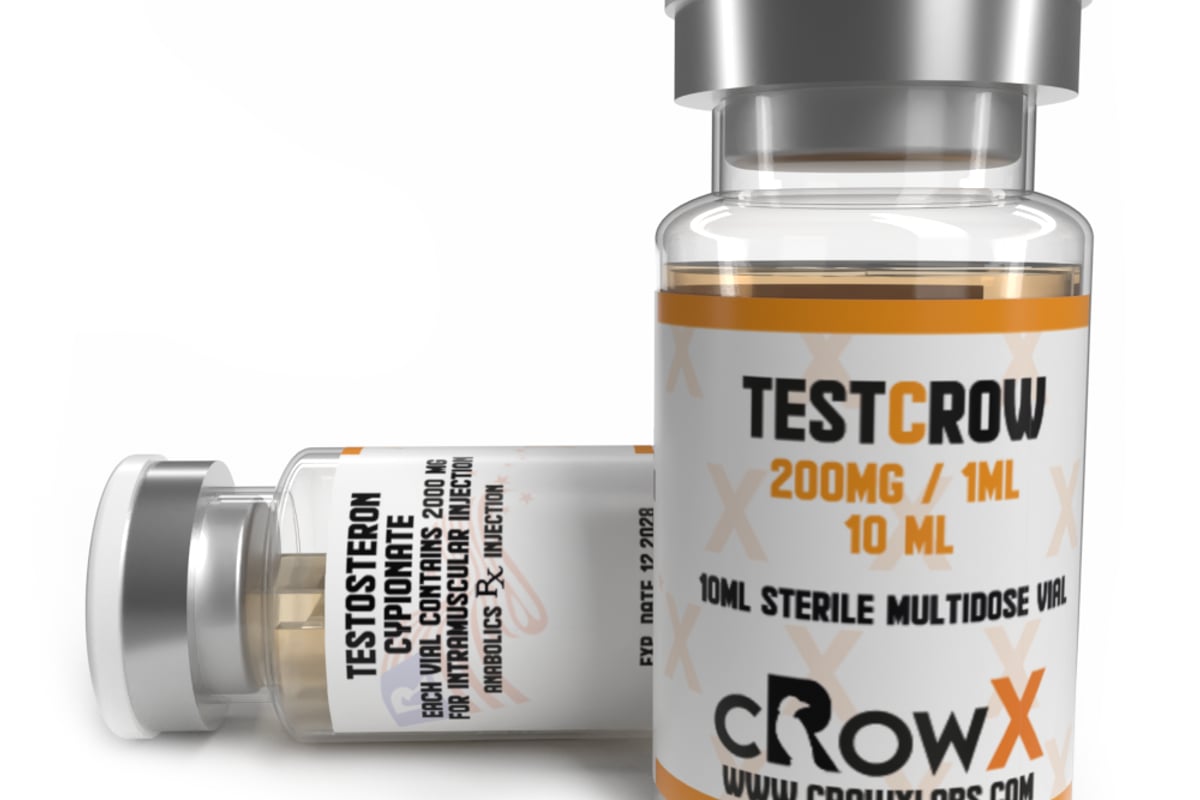
For men seeking pharmaceutical-grade testosterone for legitimate therapeutic purposes under medical supervision, products like Testosterone Cypionate 200mg represent the long-acting injectable formulations commonly prescribed for testosterone replacement therapy, though such treatment should always be accompanied by proper bloodwork and physician oversight.

Distinguishing Muscle Gain from Fat Gain
One critical aspect of understanding testosterone weight gain involves recognizing that scale weight alone provides incomplete information. The Springer review on body composition assessment in male hypogonadism emphasizes the importance of accurate measurement techniques for evaluating treatment outcomes.
Assessment Methods for Body Composition
Men monitoring their response to testosterone therapy or investigating weight changes should consider these evaluation approaches:
- DEXA scanning: Gold standard for separating lean mass, fat mass, and bone density
- Bioelectrical impedance: Convenient but less accurate home monitoring option
- Waist circumference: Simple measure correlating with visceral fat accumulation
- Clinical examination: Medical assessment of muscle development and fat distribution
- Progress photos: Visual documentation of body composition changes over time
A man might gain 10 pounds on testosterone therapy while actually losing 5 pounds of fat and gaining 15 pounds of muscle-a highly favorable outcome despite the scale increase. Conversely, gaining 10 pounds entirely as adipose tissue represents a concerning development requiring intervention.
Lifestyle Factors Influencing Testosterone-Related Weight Changes
The American Academy of Family Physicians guidance on testosterone therapy highlights that lifestyle modifications remain foundational for managing weight concerns in men with or without hypogonadism. Testosterone therapy works optimally when combined with appropriate nutrition and exercise strategies.
Nutrition Strategies to Prevent Testosterone Weight Gain
| Nutritional Approach | Mechanism | Implementation |
|---|---|---|
| Adequate protein intake | Supports muscle protein synthesis | 1.6-2.2g per kg body weight daily |
| Calorie awareness | Prevents excess energy storage | Track intake during therapy initiation |
| Micronutrient sufficiency | Supports testosterone production | Focus on zinc, magnesium, vitamin D |
| Fiber consumption | Improves insulin sensitivity | 25-40g daily from whole foods |
| Moderate healthy fats | Provides substrate for hormone synthesis | 20-35% of total calories |
Men experiencing testosterone weight gain should first evaluate their caloric intake relative to expenditure. The increased muscle mass and metabolic rate from optimal testosterone levels actually increase daily caloric needs, but excessive consumption beyond this elevated requirement will still result in fat accumulation.
Exercise Considerations During Hormone Optimization
Physical activity interacts with testosterone in multiple beneficial ways. Resistance training stimulates testosterone production naturally while creating a metabolic demand that directs nutrients toward muscle tissue rather than fat storage.
The optimal exercise approach for men managing testosterone levels includes:
- Resistance training 3-4 times weekly targeting all major muscle groups
- High-intensity interval training for cardiovascular health and insulin sensitivity
- Daily movement to maintain elevated metabolic rate
- Recovery periods allowing adequate rest for hormonal regulation
- Progressive overload to continually challenge muscular adaptation
Men who begin testosterone therapy without concurrent exercise often miss the opportunity to maximize lean mass gains and may experience suboptimal body composition outcomes.
Medical Evaluation of Testosterone-Related Weight Changes
When experiencing unexplained testosterone weight gain, comprehensive medical evaluation becomes essential. The Endocrine Society’s clinical guidance on testosterone replacement therapy recommends thorough assessment before attributing weight changes solely to hormonal factors.

Essential Laboratory Testing
Men concerned about testosterone-related weight changes should request:
- Total testosterone: Measured in morning fasted state, ideally 8-10 AM
- Free testosterone: Bioavailable hormone not bound to SHBG
- Estradiol: Estrogen levels that influence fat distribution
- Thyroid panel: TSH, free T3, and free T4 affecting metabolic rate
- Fasting glucose and insulin: Markers of metabolic health
- Lipid profile: Cardiovascular risk assessment
- Complete blood count: Overall health screening
The Society for Endocrinology clinical guidance emphasizes that testosterone therapy decisions should never be based on symptoms alone but must include objective laboratory confirmation of hypogonadism.
When Weight Gain Indicates a Problem
Not all weight changes during testosterone management indicate pathology, but certain patterns warrant immediate medical attention:
- Rapid weight gain exceeding 10 pounds in one month
- Significant fluid retention with peripheral edema
- Development of gynecomastia or breast tenderness
- Increasing waist circumference despite stable total weight
- Worsening metabolic markers like fasting glucose or blood pressure
These findings may indicate excessive aromatization, improper dosing, or underlying conditions requiring intervention.
Genetic and Individual Factors in Testosterone Response
Research using Mendelian randomization to examine causal relationships between body composition and testosterone reveals that genetic variation significantly influences how individuals respond to both natural testosterone fluctuations and replacement therapy.
Factors Affecting Individual Response
Some men experience dramatic body composition improvements from modest testosterone optimization, while others show minimal changes despite significant hormonal shifts. Contributing variables include:
Androgen receptor sensitivity varies based on genetic polymorphisms affecting how cells respond to testosterone signals. Men with less sensitive receptors may require higher testosterone levels to achieve similar metabolic effects.
Aromatase enzyme activity differs substantially between individuals, affecting the rate of testosterone conversion to estrogen. High aromatizers experience more estrogen-related side effects including water retention and fat gain patterns typically associated with elevated estrogen.
SHBG production determines the proportion of total testosterone available in free, biologically active form. Men with very high SHBG may have normal total testosterone but low free testosterone, limiting the hormone’s metabolic benefits.
Baseline body composition significantly influences outcomes, with leaner men typically experiencing more pronounced muscle gains while obese individuals often see greater initial fat loss.
Optimizing Body Composition During Testosterone Management
Successfully managing testosterone weight gain requires an integrated approach combining medical oversight, nutritional discipline, and strategic physical training.
Practical Implementation Steps
Men seeking to optimize their body composition while managing testosterone levels should follow this systematic approach:
- Establish baseline measurements including comprehensive labs, body composition analysis, and progress documentation
- Work with qualified medical professionals who understand the nuances of hormone optimization
- Implement structured nutrition focusing on whole foods and appropriate caloric intake
- Commit to consistent resistance training as the primary stimulus for favorable body composition
- Monitor progress objectively using multiple metrics beyond scale weight
- Adjust protocols based on response recognizing that individual optimization takes time
The timeline for meaningful body composition changes typically spans 3-6 months, with continued improvements possible for 1-2 years under optimal conditions.
Managing Expectations Realistically
Understanding what constitutes reasonable outcomes prevents frustration and promotes adherence to effective protocols. Men optimizing testosterone for body composition purposes should expect:
- Gradual changes rather than rapid transformation
- Variable response rates across different body composition metrics
- Plateau periods requiring protocol adjustments
- Ongoing commitment to lifestyle factors supporting hormonal health
- Individual variation from published averages and other men’s experiences
The goal should be sustainable improvement in health markers and body composition rather than chasing specific numerical targets that may not align with individual physiology.
Common Mistakes Leading to Testosterone Weight Gain
Despite good intentions, many men inadvertently sabotage their body composition goals when managing testosterone levels. Avoiding these common pitfalls improves outcomes significantly.
Errors in Protocol Implementation
| Mistake | Consequence | Solution |
|---|---|---|
| Self-prescribing without medical supervision | Inappropriate dosing, missing contraindications | Work with qualified physicians |
| Ignoring estrogen management | Water retention, fat gain, side effects | Monitor and manage aromatization |
| Neglecting lifestyle factors | Suboptimal results despite therapy | Prioritize nutrition and training |
| Using scale weight as sole metric | Misinterpreting muscle gain as failure | Comprehensive body composition tracking |
| Excessive caloric surplus | Fat gain exceeding muscle development | Calculate appropriate caloric needs |
The importance of medical supervision cannot be overstated. Testosterone therapy carries real risks when improperly managed, and the difference between therapeutic benefit and adverse outcomes often lies in appropriate dosing, monitoring, and adjustment based on individual response.
The Role of Patient Education
Men who understand the mechanisms underlying testosterone weight gain make better decisions throughout their optimization journey. Key educational components include:
- How testosterone influences metabolism and body composition
- Expected timelines for different types of changes
- The difference between water weight, muscle gain, and fat accumulation
- Proper interpretation of laboratory values
- When to seek medical guidance for concerning symptoms
Knowledge empowers men to partner effectively with their healthcare providers rather than passively following protocols without understanding the rationale.
Advanced Considerations for Body Composition Optimization
For men seeking maximum results from testosterone optimization, several advanced strategies merit consideration under appropriate medical supervision.
Periodization and Protocol Adjustment
Rather than maintaining static testosterone doses indefinitely, some practitioners employ periodization strategies that vary dosing in coordination with training phases. This approach attempts to maximize anabolic stimulus during intensive training periods while allowing hormonal systems to maintain sensitivity.
Ancillary Medications for Body Composition
Certain medications may be prescribed alongside testosterone therapy to optimize body composition outcomes:
- Aromatase inhibitors: Reduce estrogen conversion in high aromatizers
- HCG (human chorionic gonadotropin): Maintains testicular function and hormone production
- Thyroid medication: Addresses subclinical hypothyroidism affecting metabolism
- Metformin: Improves insulin sensitivity in men with metabolic dysfunction
These interventions require careful medical management and should never be self-administered based on internet research or anecdotal recommendations.
Specialized Testing for Resistant Cases
Men experiencing persistent testosterone weight gain despite apparently appropriate protocols may benefit from advanced diagnostic evaluation:
- Genetic testing for androgen receptor variants
- Comprehensive metabolic panels including cortisol dynamics
- Sleep studies to evaluate for apnea affecting hormone regulation
- Detailed body composition analysis using multi-compartment models
- Evaluation for underlying conditions like Cushing’s syndrome
These assessments help identify physiological barriers to optimal body composition that standard approaches might miss.
Managing testosterone weight gain requires understanding the complex interplay between hormones, metabolism, and lifestyle factors that determine body composition outcomes. Whether addressing low testosterone naturally or optimizing therapeutic protocols, success depends on comprehensive approaches that extend beyond hormone levels alone. For those pursuing pharmaceutical support under medical supervision, 24-7.is provides access to pharmaceutical-grade products that, when used appropriately as part of a complete health optimization strategy, can support your body composition goals while prioritizing safety and efficacy.