

Testosterone Blood Pressure: Effects and Management
Understanding the relationship between testosterone and cardiovascular health has become increasingly important as more individuals pursue hormone optimization strategies. The connection between testosterone blood pressure changes represents a critical consideration for anyone using exogenous testosterone, whether for therapeutic replacement or performance enhancement. Research continues to reveal nuanced interactions between testosterone administration and blood pressure regulation, highlighting the need for informed monitoring and risk management strategies among users of anabolic steroids and testosterone preparations.
How Testosterone Influences Blood Pressure Regulation
Testosterone exerts multiple effects on the cardiovascular system that can collectively impact blood pressure readings. The hormone influences vascular tone, fluid retention, red blood cell production, and autonomic nervous system function.
Mechanisms of Blood Pressure Elevation
Sodium and Water Retention: Testosterone can promote sodium retention through mineralocorticoid effects, leading to increased blood volume and subsequent blood pressure elevation. This mechanism becomes particularly relevant at supraphysiological doses commonly used in performance contexts.
Erythropoiesis and Blood Viscosity: One of testosterone’s well-established effects is stimulation of red blood cell production. Increased hematocrit raises blood viscosity, which can elevate blood pressure through increased peripheral resistance.
Key factors in testosterone blood pressure interactions include:
- Dose-dependent responses (higher doses typically produce greater effects)
- Individual genetic susceptibility to hypertension
- Baseline cardiovascular health status
- Concurrent use of other substances affecting blood pressure
- Duration of testosterone exposure

Vascular and Endothelial Effects
Testosterone influences endothelial function through multiple pathways. While some research suggests beneficial vasodilatory effects at physiological levels, supraphysiological concentrations may impair endothelial-dependent vasodilation. The hormone also affects nitric oxide bioavailability, a crucial regulator of vascular tone.
Research indicates that testosterone blood pressure relationships vary based on administration route and dosage patterns. Injectable preparations often produce more pronounced fluctuations in serum levels compared to transdermal applications, potentially affecting cardiovascular parameters differently.
Clinical Evidence on Testosterone and Blood Pressure
The scientific literature presents a complex picture regarding testosterone’s impact on blood pressure, with findings varying based on study design, patient populations, and testosterone formulations examined.
Meta-Analyses and Systematic Reviews
A comprehensive meta-analysis examining cardiovascular events during testosterone treatment found notable heterogeneity in blood pressure outcomes across different studies. While some trials reported minimal changes, others documented clinically significant increases in both systolic and diastolic measurements.
| Study Type | Typical BP Change | Clinical Significance |
|---|---|---|
| Short-term TRT (≤6 months) | +2-4 mmHg systolic | Generally minimal |
| Long-term TRT (>12 months) | +3-7 mmHg systolic | Potentially relevant |
| Supraphysiological dosing | +5-15 mmHg systolic | Clinically significant |
The magnitude of testosterone blood pressure effects appears dose-dependent, with therapeutic replacement doses producing smaller increases than the higher doses used for performance enhancement or bodybuilding purposes.
Regulatory Assessments and Clinical Trial Data
The FDA has scrutinized testosterone blood pressure relationships closely during approval processes for newer formulations. Detailed ambulatory blood pressure monitoring (ABPM) studies revealed quantifiable increases in 24-hour average blood pressure with certain oral testosterone preparations, prompting specific labeling requirements.
Clinical trials registered for testosterone products increasingly incorporate comprehensive cardiovascular monitoring, including:
- 24-hour ambulatory blood pressure monitoring
- Home blood pressure logging
- Clinic-based measurements at multiple time points
- Assessment of blood pressure variability
- Evaluation of nocturnal dipping patterns
Risk Factors and Vulnerable Populations
Not all individuals experience equivalent testosterone blood pressure effects. Certain characteristics increase susceptibility to hypertensive responses during testosterone use.
Pre-Existing Cardiovascular Conditions
Individuals with baseline hypertension face amplified risks when initiating testosterone therapy. The additive effect of testosterone on already elevated blood pressure can push readings into dangerous ranges requiring aggressive intervention.
High-Risk Categories:
- Men over 45 with metabolic syndrome
- Those with family history of early cardiovascular disease
- Individuals with pre-existing hypertension (controlled or uncontrolled)
- People with kidney disease or reduced renal function
- Those using other medications affecting blood pressure
Concurrent Substance Use
Many individuals using testosterone for performance purposes combine it with other anabolic steroids or ergogenic aids. These combinations can produce synergistic effects on blood pressure that exceed the impact of testosterone alone.

Common combinations affecting testosterone blood pressure interactions include:
- Oral anabolic steroids (particularly 17-alpha-alkylated compounds)
- Stimulant-based pre-workout supplements
- Thyroid hormones
- Growth hormone and peptides
- Non-steroidal anti-inflammatory drugs (NSAIDs)
Monitoring Strategies for Blood Pressure Management
Effective cardiovascular safety during testosterone use requires systematic monitoring approaches that detect elevations early and guide intervention decisions.
Establishing Baseline Measurements
Before initiating testosterone therapy, comprehensive baseline assessment should include multiple blood pressure readings taken under standardized conditions. Single measurements provide insufficient information due to normal blood pressure variability.
Baseline Protocol Recommendations:
- Obtain at least three separate clinic measurements over 1-2 weeks
- Consider home blood pressure monitoring for 7 days
- Assess blood pressure at different times of day
- Measure in both arms to identify discrepancies
- Document any white-coat hypertension tendencies
Ongoing Monitoring Frequency
The intensity of blood pressure monitoring should match the risk profile and dosing pattern. Higher doses and higher-risk individuals require more frequent assessment.
| Risk Category | Monitoring Frequency | Additional Measures |
|---|---|---|
| Low risk, TRT doses | Monthly for 3 months, then quarterly | Annual ABPM if feasible |
| Moderate risk or higher doses | Every 2 weeks for 2 months, then monthly | Consider home monitoring |
| High risk or very high doses | Weekly for first month, then biweekly | Mandatory home monitoring |
Recent clinical guidelines addressing drug-disease interactions in hypertensive patients emphasize the importance of recognizing testosterone as a potential contributor to blood pressure elevation and adjusting monitoring intensity accordingly.
Management and Mitigation Strategies
When testosterone blood pressure increases occur, several intervention options can help manage cardiovascular risk while allowing continued hormone use when medically appropriate.
Lifestyle Modifications
Non-pharmacological interventions represent the first line of defense against testosterone-induced blood pressure elevation. These approaches can effectively control mild to moderate increases without requiring antihypertensive medications.
Effective Lifestyle Interventions:
- Sodium restriction: Limiting intake to <2,300 mg daily (or <1,500 mg for hypertensives)
- DASH diet adoption: Emphasizing fruits, vegetables, whole grains, and lean proteins
- Regular aerobic exercise: 150 minutes weekly of moderate-intensity cardiovascular activity
- Weight optimization: Each kilogram of weight loss typically reduces BP by ~1 mmHg
- Stress management: Meditation, adequate sleep, and stress reduction techniques
- Alcohol limitation: Maximum 2 drinks daily for men, 1 for women
Dose Optimization and Administration Adjustments
For individuals experiencing significant testosterone blood pressure elevations, dose reduction often provides the most direct solution. Lowering testosterone doses to the minimum effective level can substantially reduce cardiovascular stress while maintaining therapeutic or performance benefits.
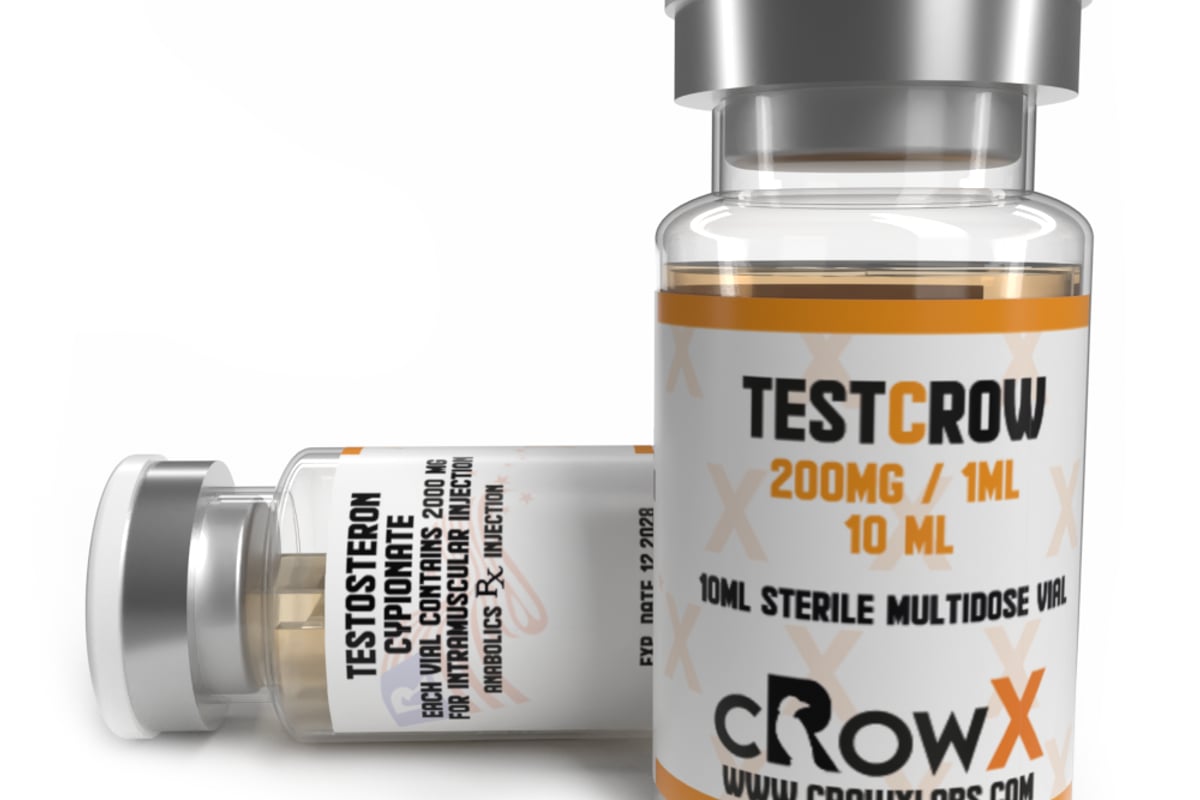
Products like Testosterone Cypionate 200mg offer flexibility in dosing adjustments, allowing users to titrate their weekly administration based on blood pressure response and other health markers. Splitting larger doses into more frequent smaller injections can also moderate peak serum levels and potentially reduce blood pressure fluctuations.
Administration timing adjustments may help some individuals. More frequent dosing at lower amounts per injection smooths testosterone levels, potentially reducing sodium retention spikes and blood pressure variability.
Pharmacological Interventions
When lifestyle modifications and dose adjustments prove insufficient, antihypertensive medications become necessary to control blood pressure during testosterone use.
Preferred Antihypertensive Classes:
- ACE Inhibitors: Effective for testosterone users, with additional renal protective effects
- Angiotensin Receptor Blockers (ARBs): Similar benefits to ACE inhibitors with different side effect profile
- Calcium Channel Blockers: Particularly useful for managing systolic hypertension
- Thiazide Diuretics: Address sodium retention but require electrolyte monitoring
Ancillary Measures for Cardiovascular Protection
Beyond blood pressure management, additional strategies can reduce overall cardiovascular risk during testosterone use.
Blood Donation and Phlebotomy
Therapeutic phlebotomy addresses testosterone-induced erythrocytosis, a major contributor to increased blood pressure and cardiovascular risk. Regular blood donation or prescribed phlebotomy maintains hematocrit within safe ranges.
Target hematocrit levels during testosterone use:
- Men: <52% (ideally 48-50%)
- Women: <47% (ideally 42-45%)
Individuals with persistent elevation may require phlebotomy every 8-12 weeks to maintain optimal values and minimize testosterone blood pressure effects related to blood viscosity.
Endothelial Support Supplementation
Certain supplements show promise for supporting vascular health and potentially moderating blood pressure responses during testosterone use, though evidence quality varies.
Supplements with Supporting Evidence:
- L-Citrulline: 6-8 grams daily may improve nitric oxide production
- Omega-3 fatty acids: 2-4 grams EPA/DHA daily supports endothelial function
- Coenzyme Q10: 100-200 mg daily, particularly with statin use
- Magnesium: 400-500 mg daily addresses common deficiency
- Garlic extract: Aged garlic extract shows modest BP-lowering effects

Special Considerations for Different Testosterone Formulations
The relationship between testosterone blood pressure varies somewhat based on the specific preparation and route of administration used.
Injectable Testosterone Esters
Long-acting injectable preparations like testosterone cypionate and enanthate produce relatively stable blood levels with less variability than shorter esters. However, the typical peak-and-trough pattern can create windows of higher cardiovascular stress coinciding with peak serum levels.
Injectable Testosterone Characteristics:
- More pronounced peaks in serum levels
- Greater impact on red blood cell production
- Dose flexibility allowing easier titration
- Typical injection frequency: weekly to biweekly
Oral Testosterone Preparations
Newer oral testosterone formulations undergo first-pass hepatic metabolism, potentially affecting lipid profiles differently than injectable forms. Some oral preparations have shown notable blood pressure increases in clinical trials, warranting careful monitoring.
Transdermal Applications
Gel and patch formulations provide more stable serum testosterone levels with less fluctuation. This steadier delivery may produce more consistent effects on blood pressure compared to injectable preparations, though individual responses vary considerably.
Long-Term Cardiovascular Outlook
The cumulative effect of testosterone blood pressure elevations over years or decades remains an area of ongoing research and clinical concern.
Duration-Dependent Risks
Short-term testosterone use with modest blood pressure increases likely poses minimal cardiovascular risk for otherwise healthy individuals. However, prolonged exposure to elevated blood pressure accelerates arterial damage and increases risks of:
- Left ventricular hypertrophy
- Coronary artery disease progression
- Stroke risk elevation
- Chronic kidney disease development
- Heart failure with preserved ejection fraction
Balancing Benefits and Risks
For individuals using testosterone therapeutically for clinically diagnosed hypogonadism, the benefits of treatment often outweigh cardiovascular risks when properly monitored. Performance users must carefully weigh their objectives against potential long-term health consequences.
Emerging Research and Future Directions
Scientific understanding of testosterone blood pressure relationships continues evolving as researchers conduct more rigorous cardiovascular safety studies.
Genetic Factors and Pharmacogenomics
Emerging research explores genetic variations that influence individual susceptibility to testosterone-induced hypertension. Future personalized medicine approaches may identify high-risk individuals before initiating therapy.
Genetic Factors Under Investigation:
- Renin-angiotensin system polymorphisms
- Endothelial nitric oxide synthase variants
- Sodium channel and transporter genetics
- Androgen receptor sensitivity variations
Novel Monitoring Technologies
Continuous blood pressure monitoring devices and advanced cardiovascular imaging techniques offer improved risk assessment capabilities. Wearable technology enabling 24/7 blood pressure tracking may revolutionize how clinicians and users monitor testosterone blood pressure effects in real-world conditions.
Practical Recommendations for Users
Based on current evidence and clinical experience, several practical guidelines emerge for individuals concerned about testosterone blood pressure relationships.
Essential Practices:
- Establish comprehensive baseline cardiovascular assessment before starting
- Implement regular blood pressure monitoring matched to risk level
- Maintain detailed records of measurements, doses, and relevant variables
- Address elevations promptly through lifestyle, dose, or pharmaceutical interventions
- Consider home blood pressure monitoring for more comprehensive data
- Work with knowledgeable healthcare providers familiar with testosterone effects
- Prioritize long-term cardiovascular health over short-term performance gains
- Remain vigilant for symptoms suggesting hypertensive urgency or emergency
Decision Framework for Testosterone Use
Individuals considering testosterone should systematically evaluate their cardiovascular risk profile and monitoring capabilities before proceeding.
| Factor | Low Risk | Moderate Risk | High Risk |
|---|---|---|---|
| Age | <35 years | 35-50 years | >50 years |
| Baseline BP | <120/80 | 120-139/80-89 | ≥140/90 |
| Family history | None | One first-degree relative | Multiple relatives |
| Other CV risk factors | 0-1 | 2 | ≥3 |
| Recommended action | May proceed with monitoring | Proceed cautiously, intensive monitoring | Consider alternatives, medical supervision essential |
This framework helps individuals make informed decisions about whether testosterone use aligns with their health profile and risk tolerance.
Understanding testosterone blood pressure interactions empowers users to make informed decisions and implement appropriate safeguards during hormone therapy. Whether pursuing therapeutic replacement or performance enhancement, cardiovascular monitoring and proactive risk management remain essential for long-term health. 24-7.is provides access to pharmaceutical-grade testosterone preparations alongside the information needed to use these products as safely as possible, supporting customers in achieving their goals while prioritizing cardiovascular wellness.