From Couch to HIIT: How to Start Your Journey in Just 30 Days

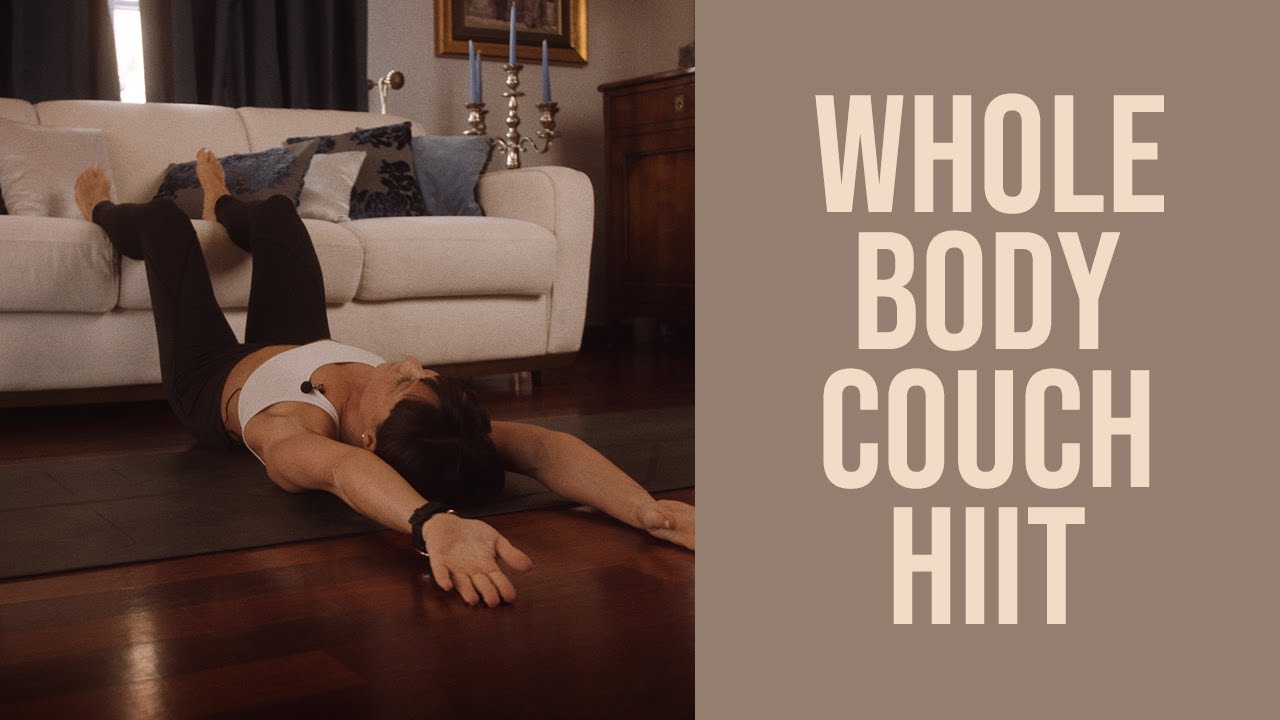
High-intensity interval training (HIIT) is a dynamic and efficient exercise method that involves alternating between intense activity bursts and rest periods. This strategy enhances cardiovascular health, promotes fat loss, and tones muscles quickly. By pushing limits, HIIT boosts metabolism and endurance, ideal for those seeking fitness gains without long gym hours. Its adaptability suits various fitness levels, benefiting heart health, calorie burn, and insulin sensitivity, making it a popular, time-efficient choice for significant results.

Female fitness plan

A well-rounded female fitness plan is tailored to meet women’s diverse health goals, focusing on strength, endurance, and well-being. It includes cardio, strength training, and flexibility workouts. Cardio exercises boost heart health, while strength training enhances muscle tone. Yoga or Pilates improves flexibility and tranquility. Nutrition and hydration are crucial, emphasizing a balanced diet. Personalization and adaptability ensure the plan meets individual needs, like weight loss or increased energy, with regular assessments to maintain motivation and effectiveness over time.

Female exercise videos

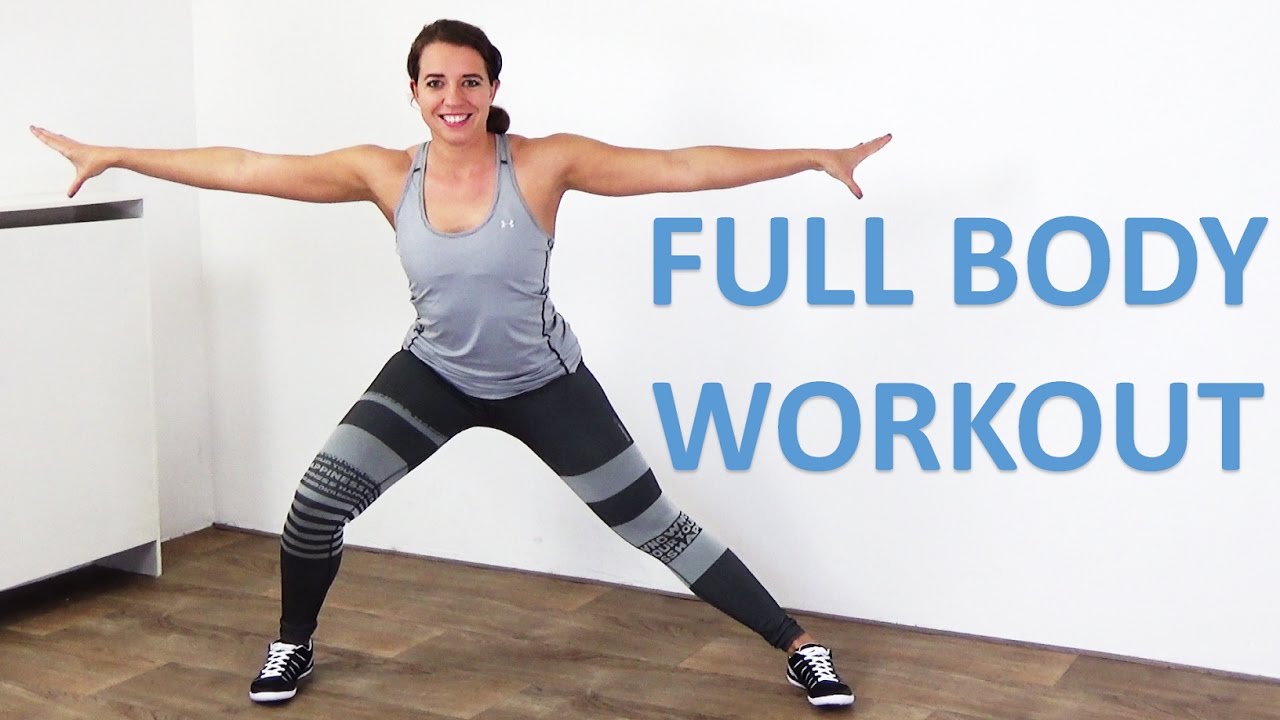
Female exercise videos have revolutionized fitness, offering women an accessible way to workout at home. These videos cover a range of styles and fitness levels, from HIIT to yoga, led by knowledgeable trainers ensuring safety and motivation. The inclusivity and encouragement foster empowerment and community, helping women embrace health and self-care regardless of time constraints.

Shrugs exercise

The Shrugs exercise is a strength-training move focusing on the trapezius muscles located in the upper back and shoulders, enhancing shoulder contours and posture. This exercise offers benefits like muscle growth, stability, and injury prevention. Performing Shrugs involves lifting shoulders towards the ears using dumbbells or similar weights, availing improved muscle definition.

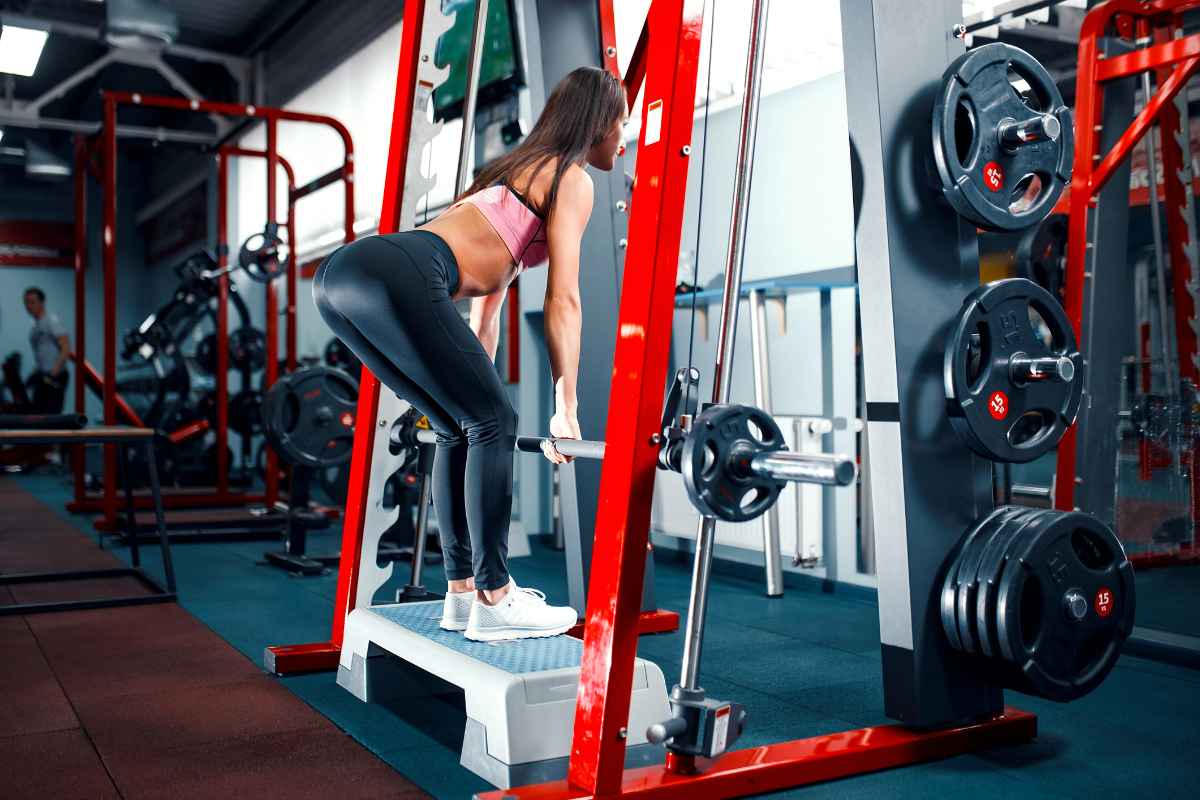
Deadlift on smith machine

The Deadlift on a Smith Machine provides increased stability and control, particularly benefiting beginners building foundational strength and those rehabbing injuries by offering a fixed bar path that reduces lift complexity and improper form risks. However, this can limit natural movement, potentially altering lift biomechanics and reducing stabilizing muscle engagement, crucial for free weight exercises. It’s advisable to complement Smith machine use with free weight training for balanced strength development.

Deadlift kettlebell

The kettlebell deadlift is a great exercise for building foundational strength, especially in the posterior chain, including the back, glutes, hamstrings, and calves. More accessible for beginners than barbell deadlifts, it allows for lighter weights and a narrower stance, aiding in form maintenance. Engaging the core while gripping the kettlebell improves hip hinge movement, enhancing flexibility and strength. This exercise also improves functional fitness as it mimics real-life movements, like lifting objects off the ground, promoting better posture and reducing lower back injury risk.

Breathe Easier: The Benefits of High-Intensity Cardiovascular Training

Cardiovascular workouts, or cardio, are exercises that raise the heart rate to improve heart and lung efficiency, promoting overall health. This includes running, cycling, swimming, and HIIT, designed to build endurance and stamina. Regular cardio helps burn calories, manage weight, and reduce the risk of chronic diseases. It also boosts mental well-being by releasing endorphins. Integrating cardio into your routine is crucial for a healthy lifestyle and long-term benefits.

Super sets

Supersets are a powerful technique in strength training, involving two exercises performed consecutively without rest. This approach targets opposing muscle groups, like biceps and triceps, maximizing muscle growth and workout intensity. Supersets elevate heart rate and boost endurance while saving time, making them ideal for those with busy schedules. They help break training plateaus by introducing new challenges to muscles, supporting continuous growth. Whether for building strength or enhancing fitness, supersets offer a versatile and efficient way to reach fitness goals, appealing to both beginners and advanced athletes.

Leg raise side

The leg raise side exercise is an effective workout targeting the obliques and hip abductors, enhancing core strength and balancing lower body strength. This versatile exercise requires no equipment, perfect for home workouts. By lying on one side and lifting the leg, you engage muscles crucial for hip and spine stability, improving posture and daily activity stability. It also enhances hip flexibility and mobility, key for an active, injury-free lifestyle. Slow, deliberate movements maximize engagement, with variations like weights adding resistance, contributing to improved athletic performance.

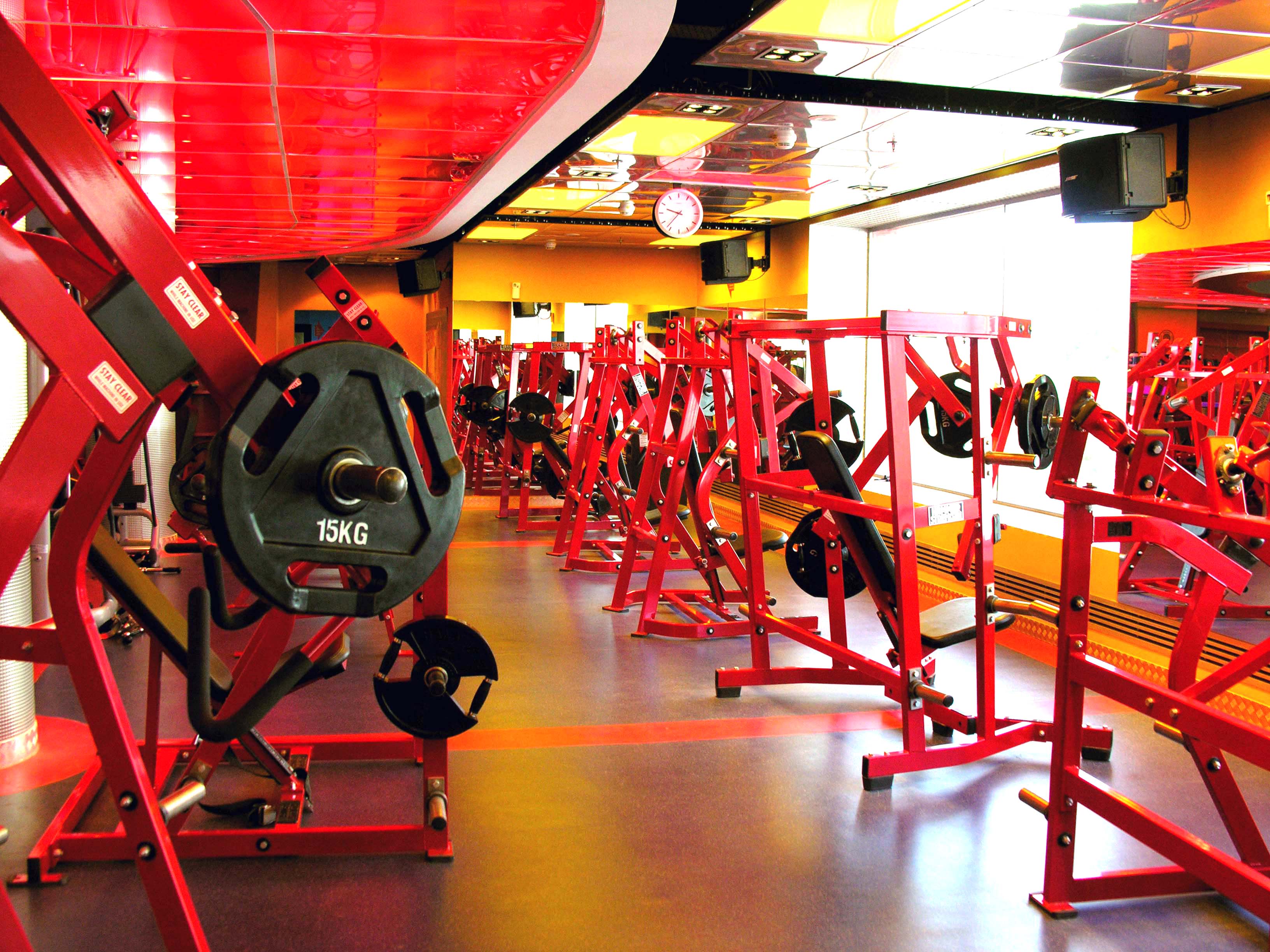
Gold’s Gym Honolulu Offers the Ultimate Workout Experience

Gold’s Gym Honolulu is a premier fitness center offering state-of-the-art facilities and a vibrant community in Hawaii’s largest city. With cutting-edge equipment and diverse classes like HIIT and yoga, it caters to all fitness levels. Members praise its knowledgeable staff and welcoming atmosphere, creating an inclusive, motivating space amidst Honolulu’s natural beauty.

Eccentric contractions

Eccentric contractions are a type of muscle contraction where the muscle lengthens under tension, typically occurring when the muscle is acting to control or decelerate a movement. This form of contraction is opposed to concentric contractions, where the muscle shortens, and isometric contractions, where the muscle length remains the same. Eccentric contractions are common in activities involving lowering weights, such as the downward motion of a bicep curl or the deceleration phase of running downhill.

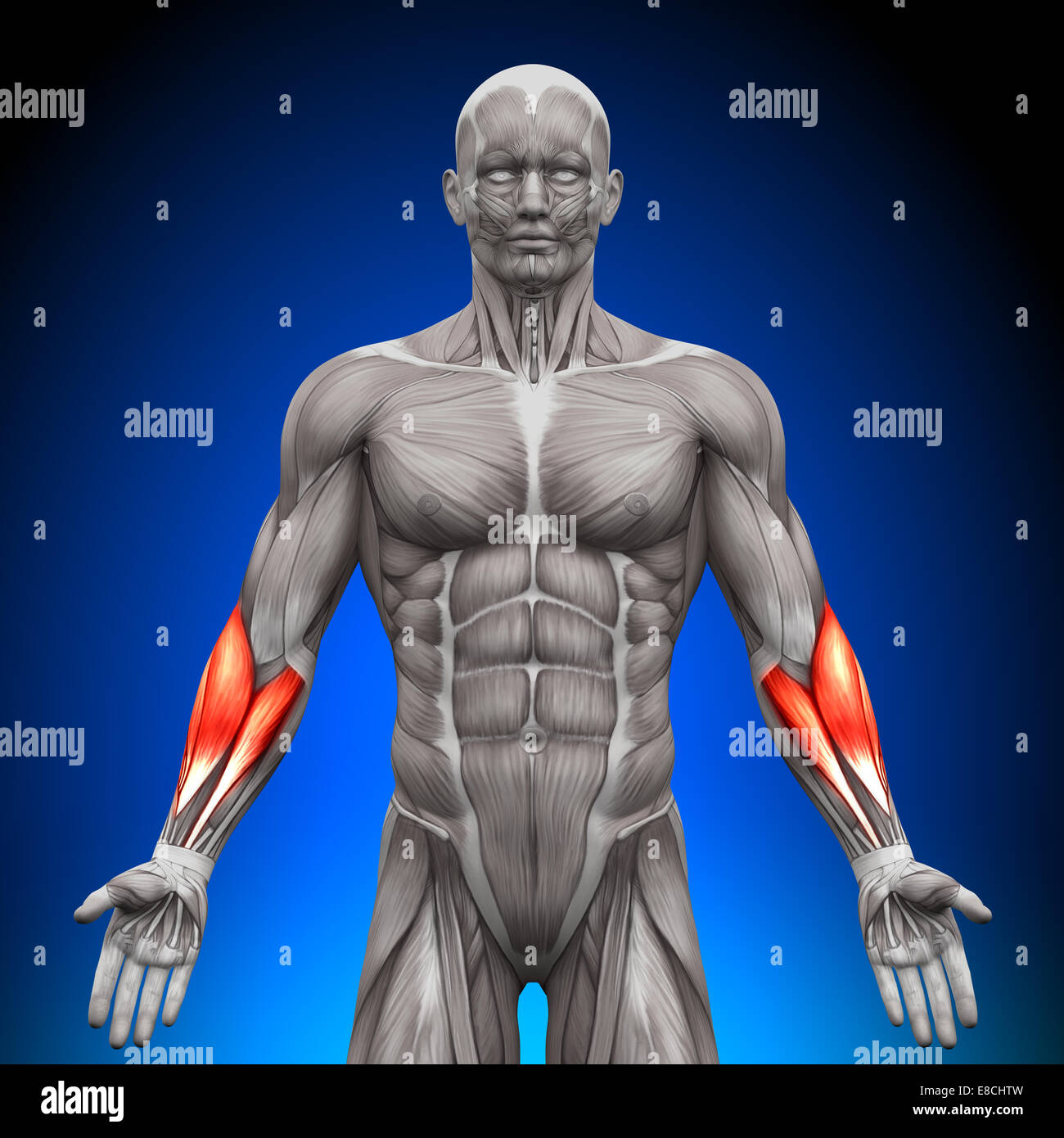
Forearms

The forearms are an essential part of human anatomy, forming a critical link between the upper arm and hand. Comprised of the radius and ulna bones, the forearm enables movement and strength, facilitating rotational motions like pronation and supination. This rotational ability is crucial for everyday tasks, such as twisting a doorknob. 여러 muscles, tendons, and nerves enhance dexterity and strength for gripping and lifting. Exercises like wrist curls bolster muscle endurance, vital for functional tasks and aesthetic balance, highlighting the forearm’s significant role.

Forearm exercise with dumbbell

Forearm exercises with dumbbells are essential for gaining strength and muscle definition in the lower arms, enhancing upper body performance and aiding daily tasks. Incorporating moves like wrist and reverse wrist curls boosts grip strength, crucial for lifting and other hand-related activities. Dumbbells provide versatile motion, targeting various forearm muscles, enhancing resilience, and preventing strain-related injuries. Such exercises benefit sports like rock climbing or tennis and simplify daily chores. Adjustable dumbbells cater to all fitness levels, promoting balanced muscle development and overall arm health.

Deadlift dumbbell

The deadlift dumbbell is a versatile exercise targeting multiple muscle groups, including glutes, hamstrings, and core. Using dumbbells instead of a barbell improves muscle balance, reduces injury risk, and enhances control. This exercise is suitable for all fitness levels, aiding in building unilateral strength, balance, and coordination. Additionally, it offers accessibility with minimal equipment, ideal for home workouts or gyms with limited resources. Proper form is crucial to maximize benefits and avoid injury, emphasizing hip hinging and a neutral spine during the lift.

Deadlift works what muscles

The deadlift is a compound strength training exercise that targets various muscle groups, making it a fixture in fitness programs. Key muscles include the gluteus maximus and quadriceps, which aid in lifting and knee extension, respectively. The hamstrings assist with hip extension and stability, while core muscles like the erector spinae maintain back posture during the movement. Additionally, stabilizers like the trapezius and latissimus dorsi help maintain posture and efficiency, while forearms and grip muscles are involved to hold the barbell. The deadlift fosters muscle growth and enhances functional fitness.

Lat pulldown alternative

When seeking a lat pulldown alternative, exercises can efficiently target the latissimus dorsi and other muscles, adapting to equipment and environments. Pull-ups are a key alternative engaging the same muscles with a bar, involving biceps, forearms, and core for upper body strength. Assisted pull-ups can aid form. The bent-over row, using dumbbells or a barbell, targets lats, rhomboids, and trapezius, offering a compound movement for back strength. Proper posture is vital to maximize benefits and prevent lower back strain. Both provide adaptable alternatives to the lat pulldown.

Lat pulldown muscles worked

The lat pulldown is an effective strength training exercise targeting the upper body, focusing on the latissimus dorsi muscles. These muscles are responsible for shoulder adduction, extension, and internal rotation. During a lat pulldown, the lats contract to pull the bar toward the chest, similar to a pull-up motion, enhancing lat size and strength, and contributing to a broader back appearance. Secondary muscles, including biceps brachii, rhomboids, trapezius, posterior deltoids, and teres major, assist in elbow flexion and shoulder blade stabilization, promoting strength and joint stability.

Lat pulldown wide grip

The Lat Pulldown Wide Grip is an effective strength exercise focusing on the upper back, mainly the latissimus dorsi. Using a wide grip enhances the stretch and contraction in the lats, aiding in a broader back and better definition. It also works on biceps, shoulders, and trapezius, delivering a full upper body workout. Proper form is key, with the chest lifted and the pull initiated by back muscles to maximize results and avoid injury. This exercise improves posture and is excellent for enhancing performance in other movements like pull-ups, due to its distinctive muscle activation angle.
Leg extension on machine

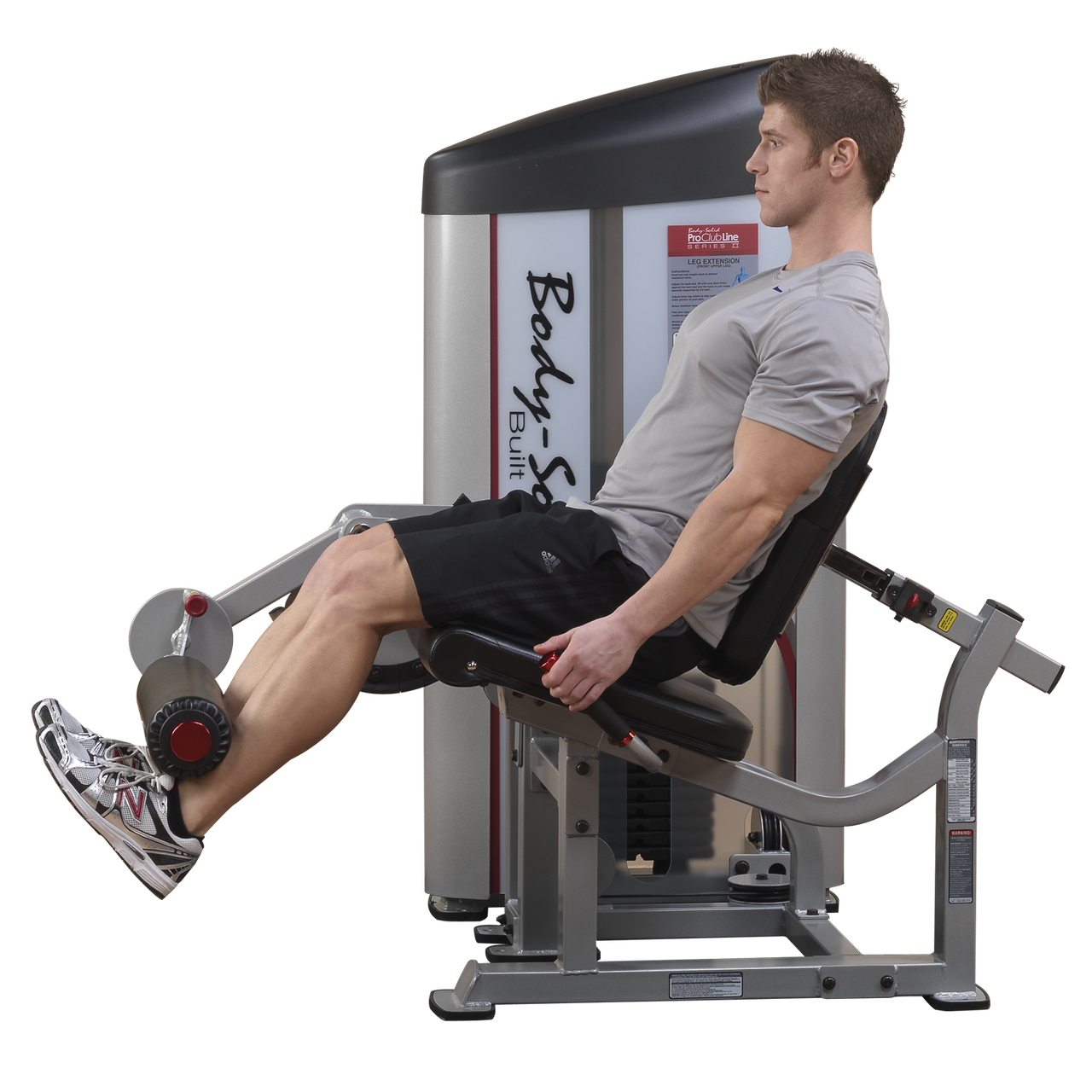
The leg extension machine is popular in gyms for targeting quadriceps, found at the front of the thigh. It involves sitting upright with the feet under a levered bar and extending the legs to isolate these muscles. This exercise helps in defining muscles, improving daily movement functionality, and increasing lower body strength. It’s also valuable for rehab and injury prevention by strengthening weak quadriceps or assisting post-knee injury recovery, like ACL tears. Proper form is crucial to avoid knee strain, and complementing with other exercises ensures balanced muscle development.

Leg curl alternative

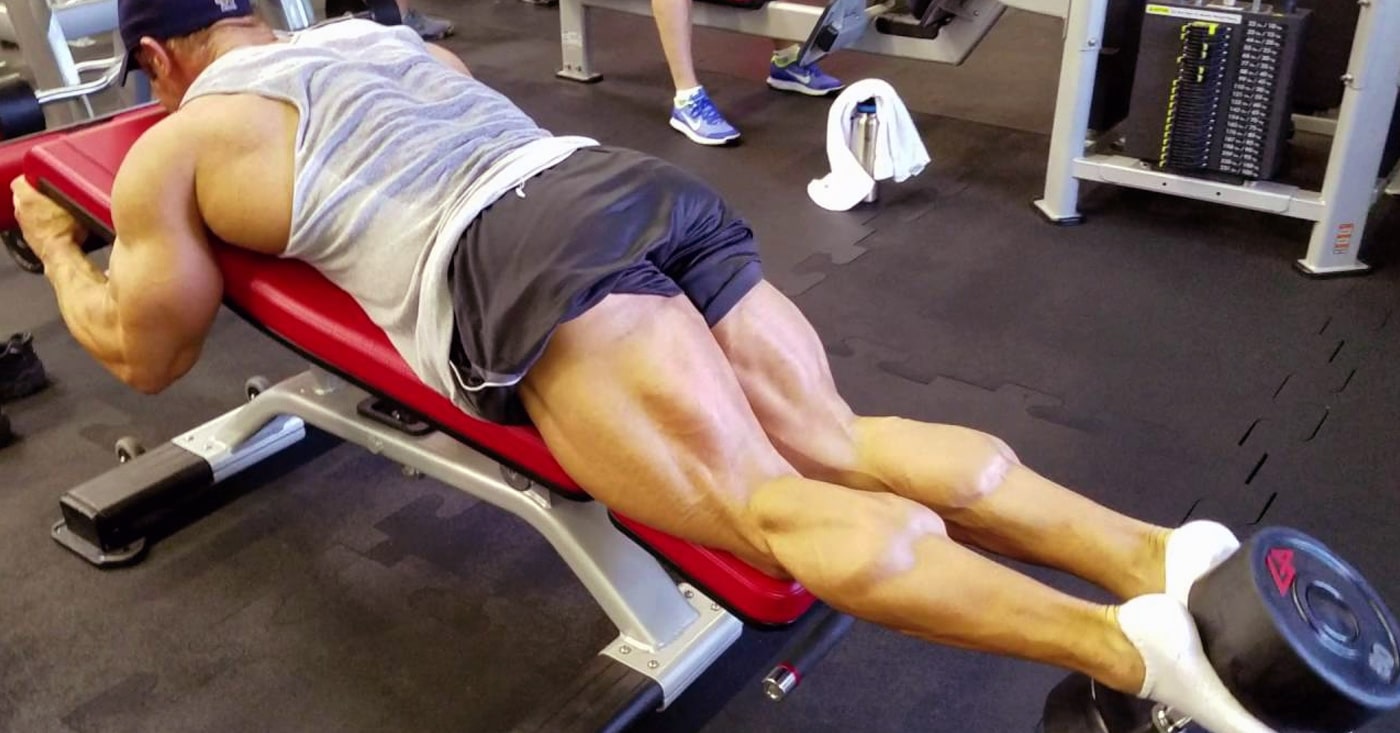
When looking to strengthen and define the hamstrings, traditional leg curl machines are common, but not always accessible. Alternatives like Romanian Deadlifts and Stability Ball Leg Curls offer effective ways to target these muscles. Romanian Deadlifts engage the hamstrings, glutes, and lower back, enhancing strength and stability. Stability Ball Leg Curls challenge balance while mimicking the leg curl movement, focusing on both hamstrings and core, offering variety and flexibility in workout routines.

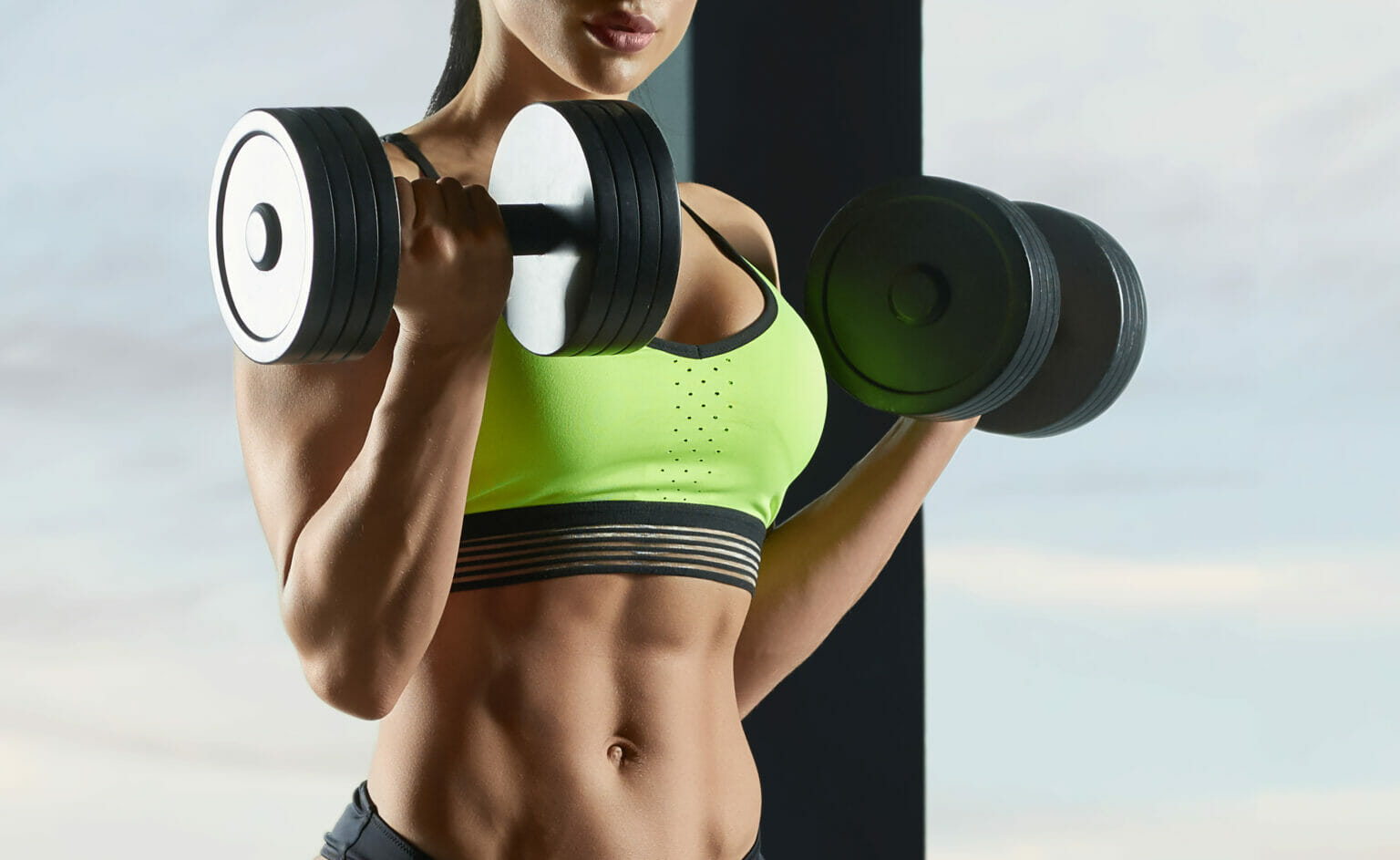
Ripped

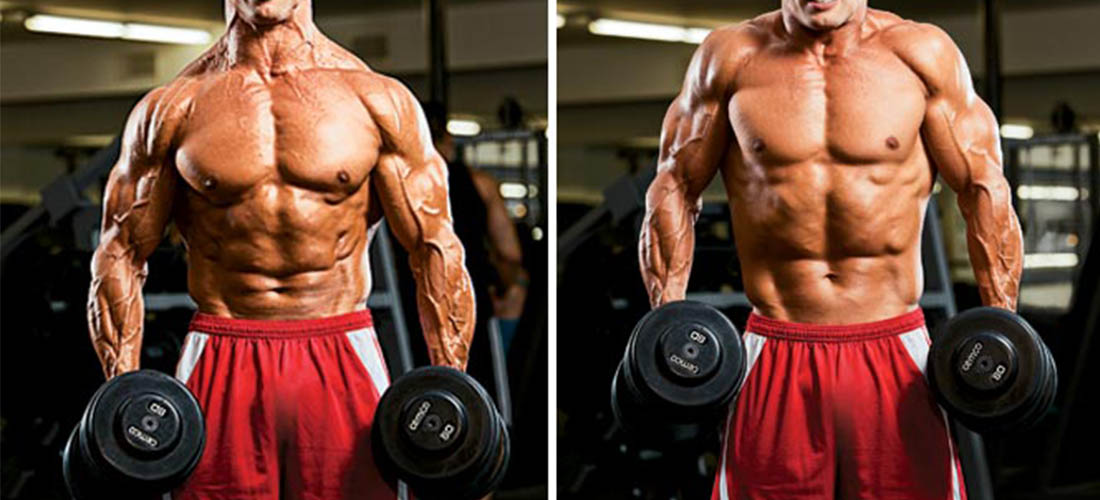
Achieving a ripped physique involves reducing body fat to reveal well-defined muscles, which requires a combination of proper nutrition, strength training, cardio, and consistent effort. A diet high in protein and low in fat aids muscle repair while burning fat. Strength training with compound movements, along with high-intensity cardio, helps in building muscle and reducing body fat. Consistency in workouts and sufficient rest are vital as muscles repair during rest. While supplements can aid nutritional needs, they aren’t necessary; dedication to a balanced diet and rigorous exercise regime suffices to achieve a ripped physique.

Lat pulldown single arm

The single-arm lat pulldown exercise enhances upper back strength by isolating the latissimus dorsi, benefiting symmetry and correcting imbalances. It engages stabilizer muscles in the shoulder and core, making it ideal for bodybuilders and athletes. By focusing on each side separately, it aids in better muscle engagement and core stabilization. Proper form is crucial for effectiveness, and incorporating this exercise can improve upper body strength in a comprehensive workout regime.

Single arm row

The single-arm row is an effective strength-training exercise targeting the upper and mid-back muscles, including the lats, rhomboids, traps, rear deltoids, and biceps. It’s ideal for improving back strength and upper body balance. By isolating one side, it aids in correcting muscle imbalances and boosting core stability. To perform it, use a dumbbell and a bench for support, ensuring proper technique. Including this exercise in your routine enhances posture, endurance, and pulling strength, with variations like kettlebells or bands offering added challenges.

Lat pulldown straight arm

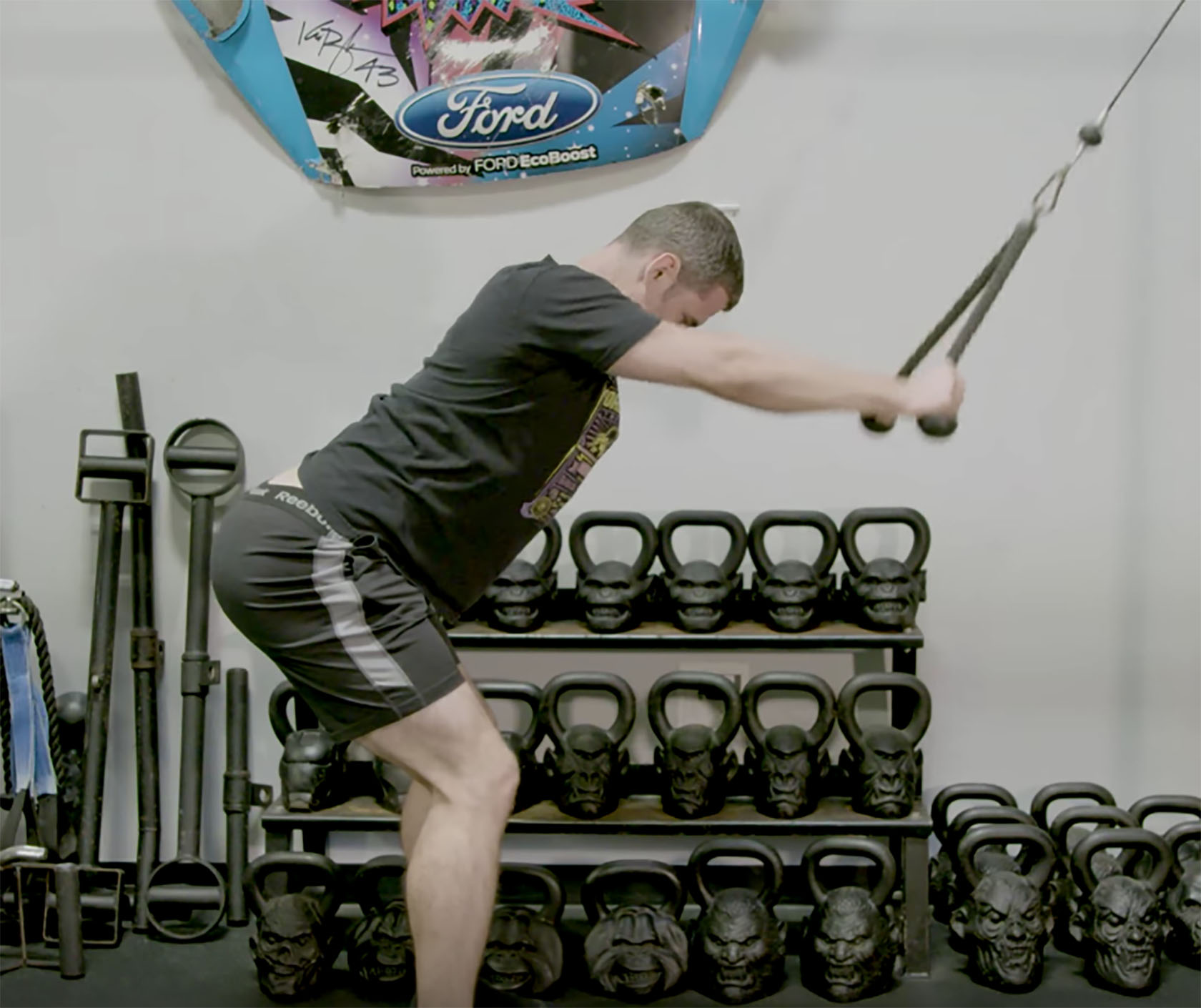
The Lat pulldown straight arm is an effective exercise that focuses on the latissimus dorsi muscles in the upper back. It is a variation that keeps the arms straight, enhancing back width and upper body strength by isolating the lats, minimizing bicep involvement. This exercise improves posture by promoting scapular stability. To perform it, stand or sit with a slight knee bend, grip a bar attached to a high pulley at shoulder-width, engage your core, and pull the bar down towards your thighs with your arms straight but not locked. Adjust the weight for different fitness levels.

Seated shoulder press db

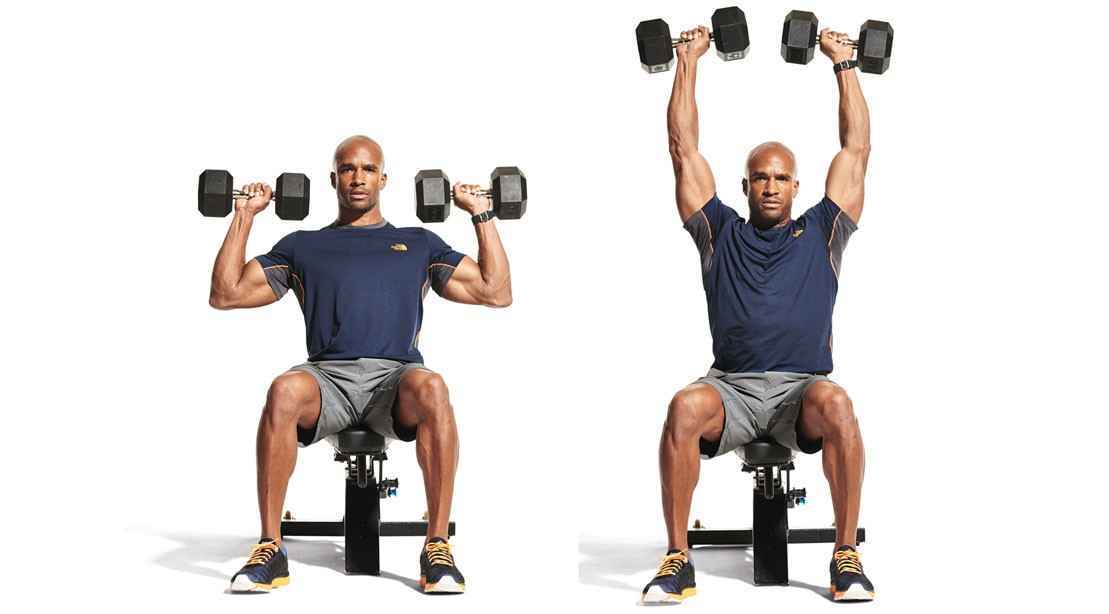
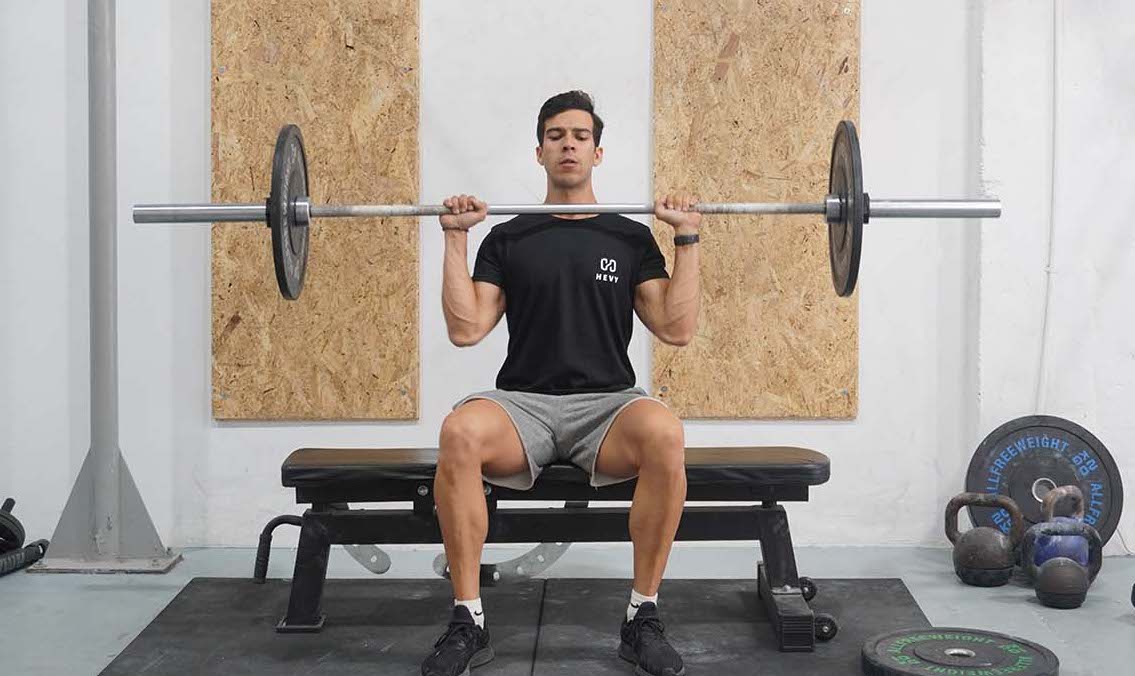
The seated shoulder press with dumbbells targets the deltoids, along with the triceps and upper trapezius. Performing it seated stabilizes the back, reducing momentum use and allowing controlled movement. Using dumbbells enhances muscle activation and addresses strength imbalances. For optimal results, maintain correct form: sit on a bench with back support, feet firm, dumbbells at shoulder height, and press upwards without locking elbows. This exercise can help build shoulder strength and upper body stability when included in a balanced workout routine.

Seated overhead press

The seated overhead press is a fundamental strength training exercise that targets the shoulder muscles, primarily the deltoids, while also engaging the triceps and upper portion of the pectoral muscles. It’s performed by sitting on a bench or chair with back support, gripping weights at shoulder height, and pressing upwards. This exercise effectively builds muscle mass and enhances shoulder stability, minimizing core and lower body involvement compared to standing variations. Additionally, it promotes upper body strength and posture improvements by enforcing a strict movement pattern, allowing better muscle isolation and balanced growth.

Stretching legs

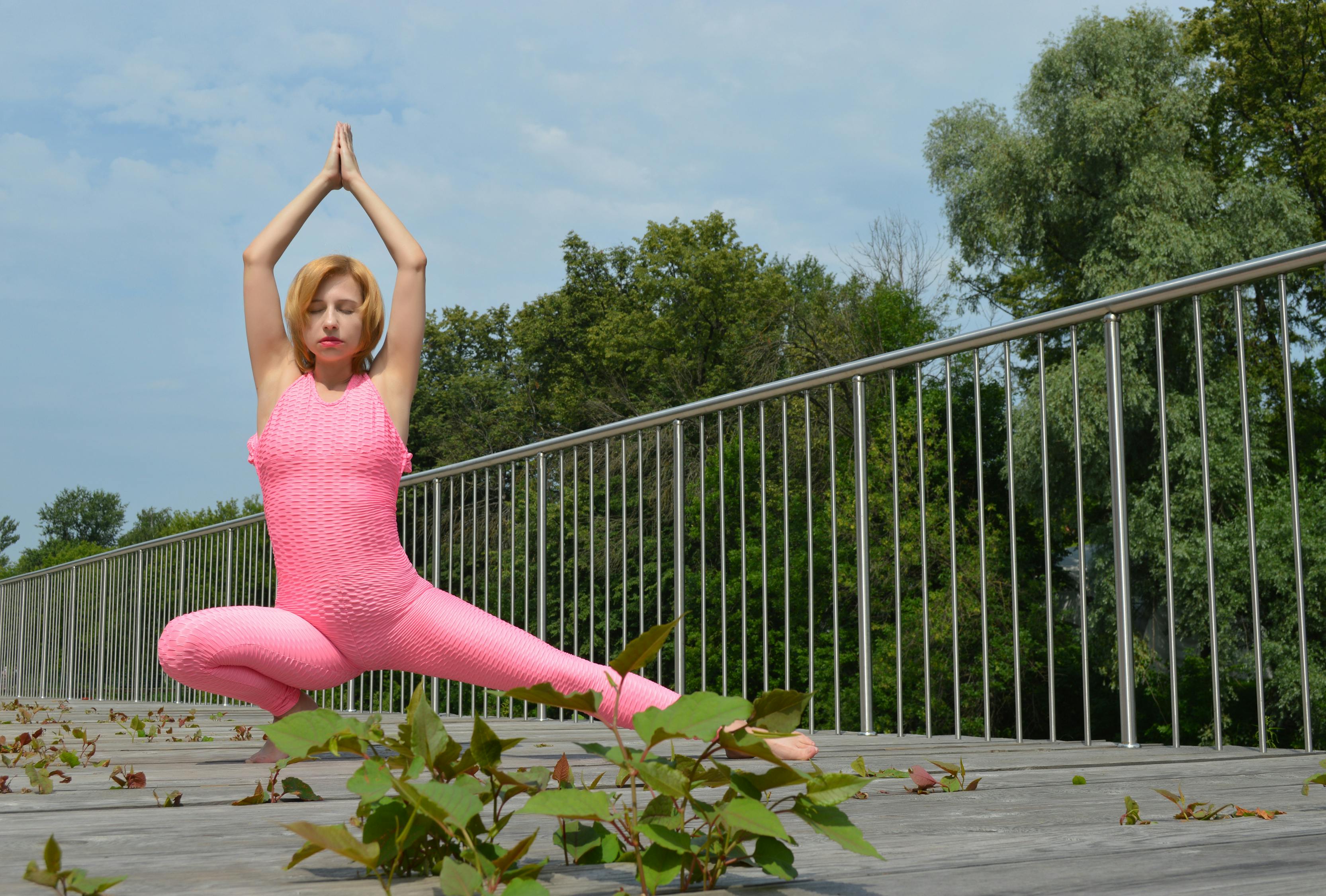
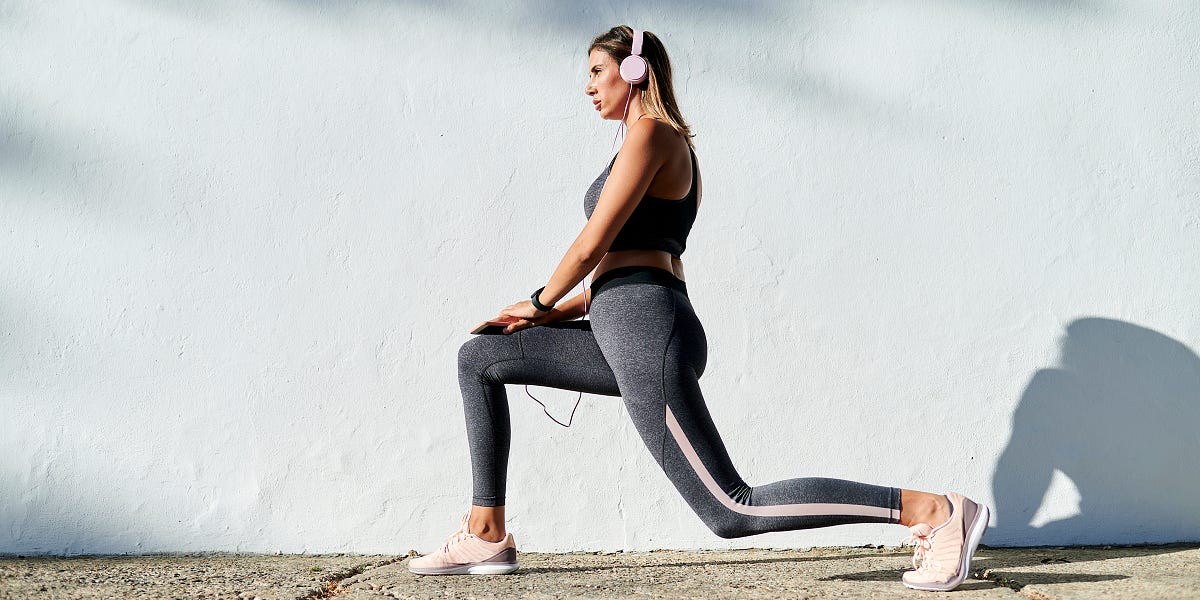
Stretching legs is crucial for maintaining flexibility and preventing injuries. Regular practice enhances flexibility, range of motion, and athletic performance while reducing muscle strains. Stretching boosts circulation, aiding muscle recovery post-workout. Ideal exercises include hamstring stretches, quadriceps stretches, and calf stretches. Integrate stretching into routines for improved mobility, injury prevention, and overall well-being. Whether done pre or post-exercise, stretching supports physical and mental health, alleviating stress and enhancing relaxation, posture, and energy levels.
Stretching calf muscles

Stretching calf muscles is crucial for maintaining flexibility and enhancing overall mobility. Key components include the gastrocnemius and soleus, essential for walking, running, and jumping. Regular stretching alleviates tightness, improving the ankle’s range of motion, reducing injury risks like plantar fasciitis, and promoting better biomechanics. Techniques such as the standing wall stretch and seated calf stretch target different muscle fibers, enhancing flexibility and circulation for improved leg health. Dynamic stretches can also be effective for functional muscle lengthening and recovery.

Streching

Stretching is vital for maintaining flexibility, enhancing athletic performance, and preventing injuries. It elongates muscles, improving mobility and reducing injury risk. It’s essential for athletes, as tight muscles can impair performance. Stretching boosts blood flow, warms muscles, and aids in recovery. It also promotes mindfulness and reduces stress, benefiting mental health. Incorporating stretching, like yoga or tai chi, into a routine can improve overall well-being, especially for those with sedentary lifestyles. Regular stretching supports physical and mental health, fostering a balanced lifestyle.

Exercises crunch

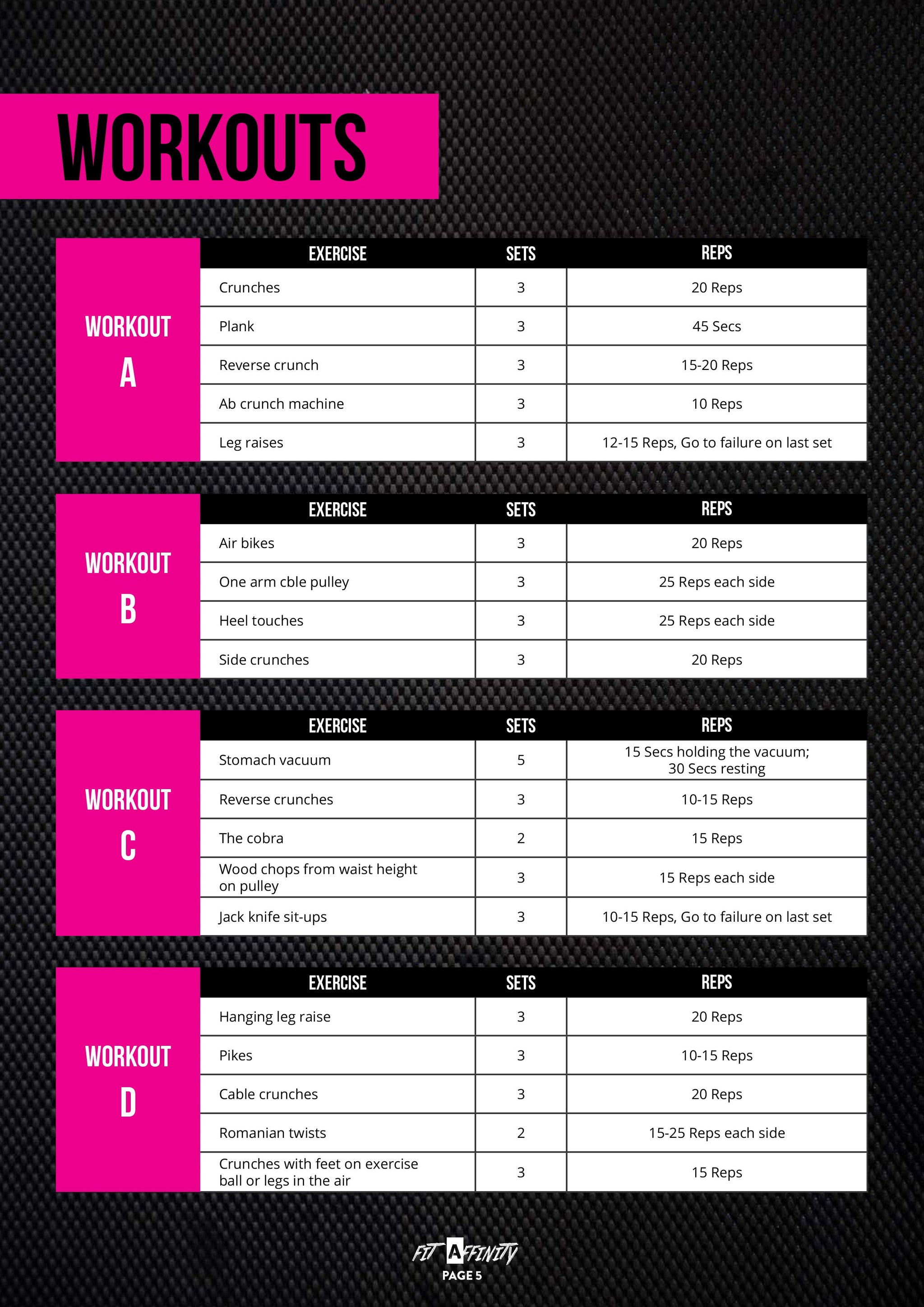
Crunches are a core exercise targeting the abdominal muscles, particularly the rectus abdominis, known as the “six-pack” muscles. They involve lying on your back with bent knees, lifting your upper body using core muscles. Popular for their simplicity and minimal strain on the lower back, crunches enhance core strength and posture. Incorporating them into workouts improves fitness, stability, balance, and coordination while minimizing injury risk. Variations like bicycle and reverse crunches engage different muscles, keeping workouts diverse and challenging. Consistency and proper form are essential for effectiveness.

Left Menu Icon