Kb workouts

Kettlebell (KB) workouts have surged in popularity due to their versatility and effectiveness in enhancing strength, endurance, and flexibility. Originating from Russia, kettlebells are designed for dynamic exercises that engage multiple muscle groups simultaneously, such as swings and snatches. These workouts not only boost cardiovascular fitness but also improve core stability and coordination. The unique design of kettlebells, with a handle and off-center weight, requires more muscle engagement for stabilization, making them highly effective. KB workouts can be tailored to all fitness levels, offering a full-body workout efficiently in minimal space.

Workouts on treadmill

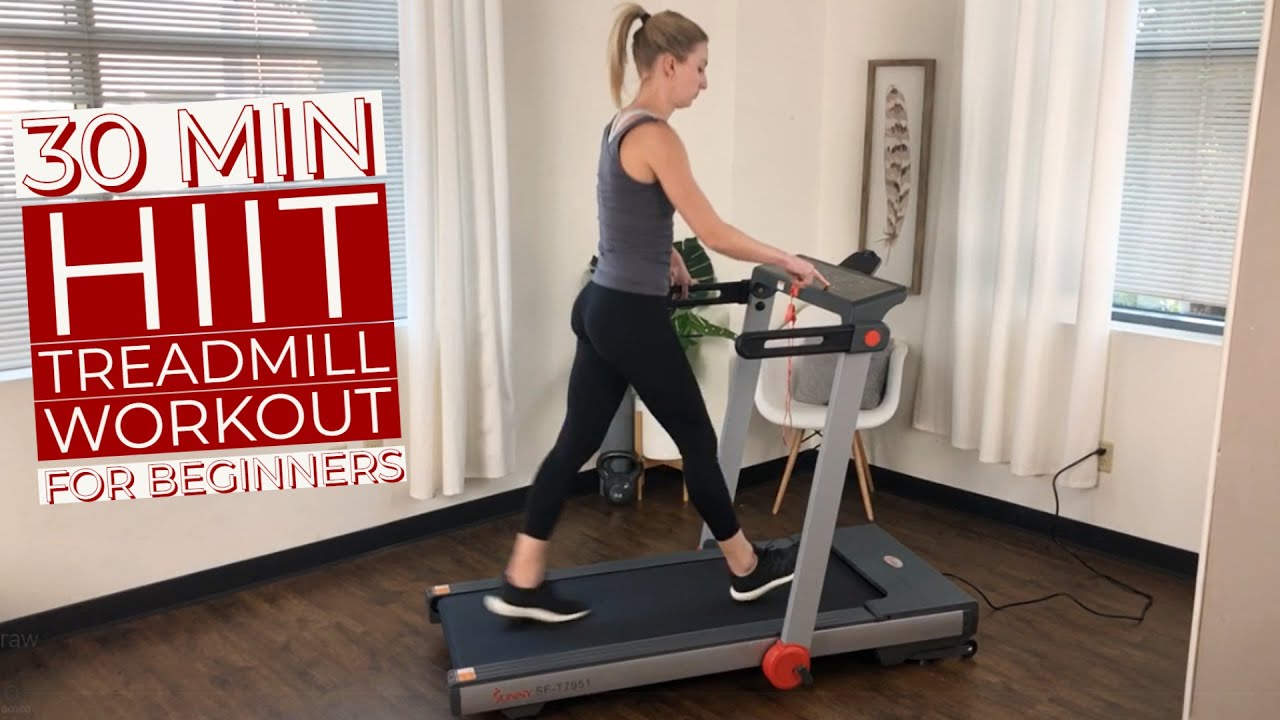
Treadmills offer a versatile and convenient way to enhance cardiovascular fitness and burn calories, adaptable to various fitness levels and goals. Whether starting a fitness journey or improving endurance, treadmill workouts suit your needs. With adjustable speed and incline, they mimic terrains and intensities.

Seated arm curl

The Seated Arm Curl is a critical exercise for enhancing bicep strength and aesthetics. Performed on a bench with back support, it targets the biceps, minimizing body movement to concentrate tension on the arms. This guide covers technique, benefits, and FAQs, detailing setup, positioning, execution, and repetitions for optimal outcomes. Benefits include muscle isolation, improved form, and strength gains, with variations available such as using an EZ curl bar or incorporating the exercise 2-3 times weekly. Suitable for all levels, adjusting weight allows versatility for everyone.

Stretching middle back

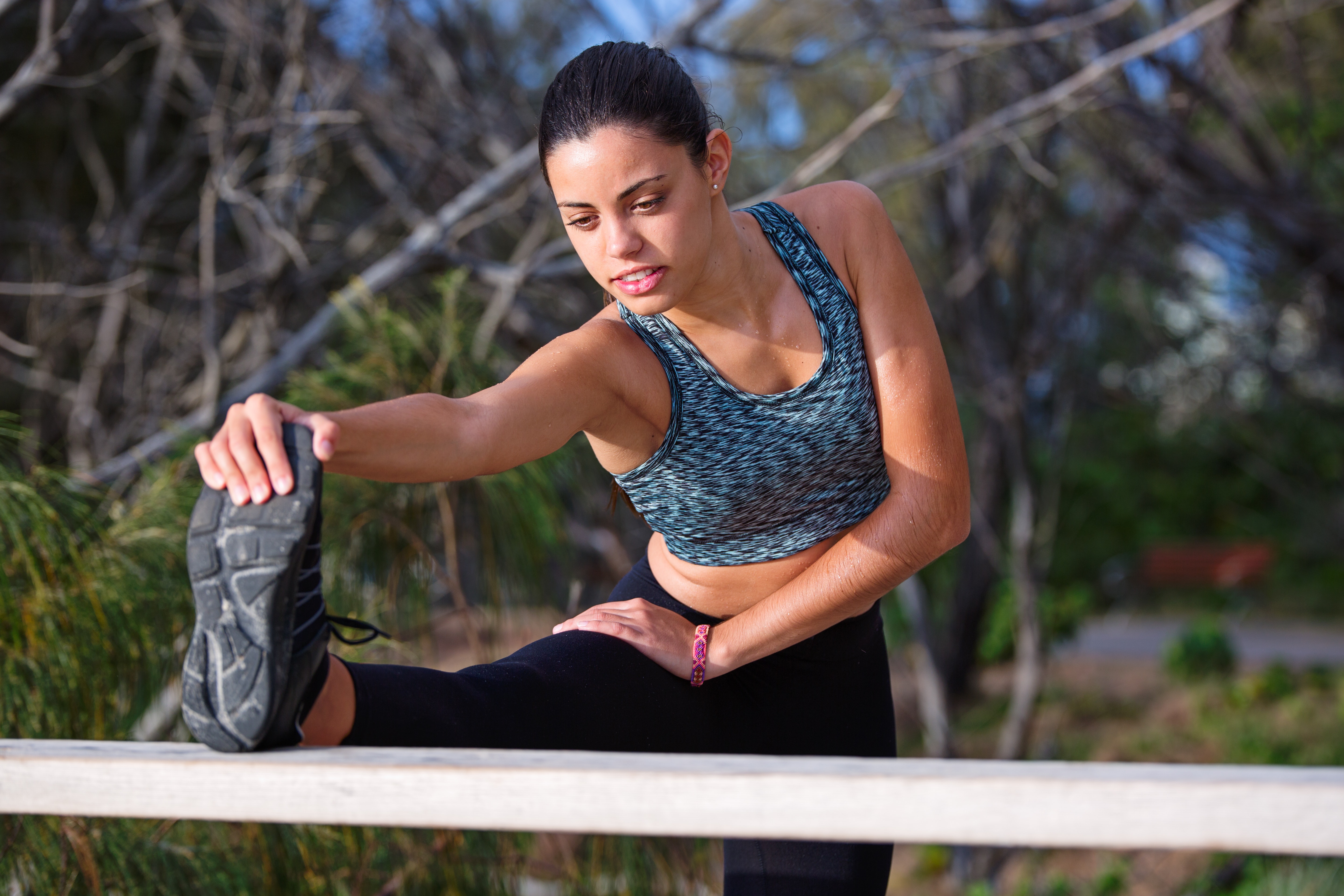
Stretching the middle back is vital for maintaining flexibility, reducing tension, and enhancing posture. The thoracic spine often tightens from long sitting periods or poor posture. Regularly stretching can prevent injury and discomfort, with exercises like the thoracic twist and cat-cow improving mobility. Stretching also offers mental benefits by relieving stress, promoting relaxation, and boosting circulation, contributing to better recovery and overall physical performance.

Stretching trapezius

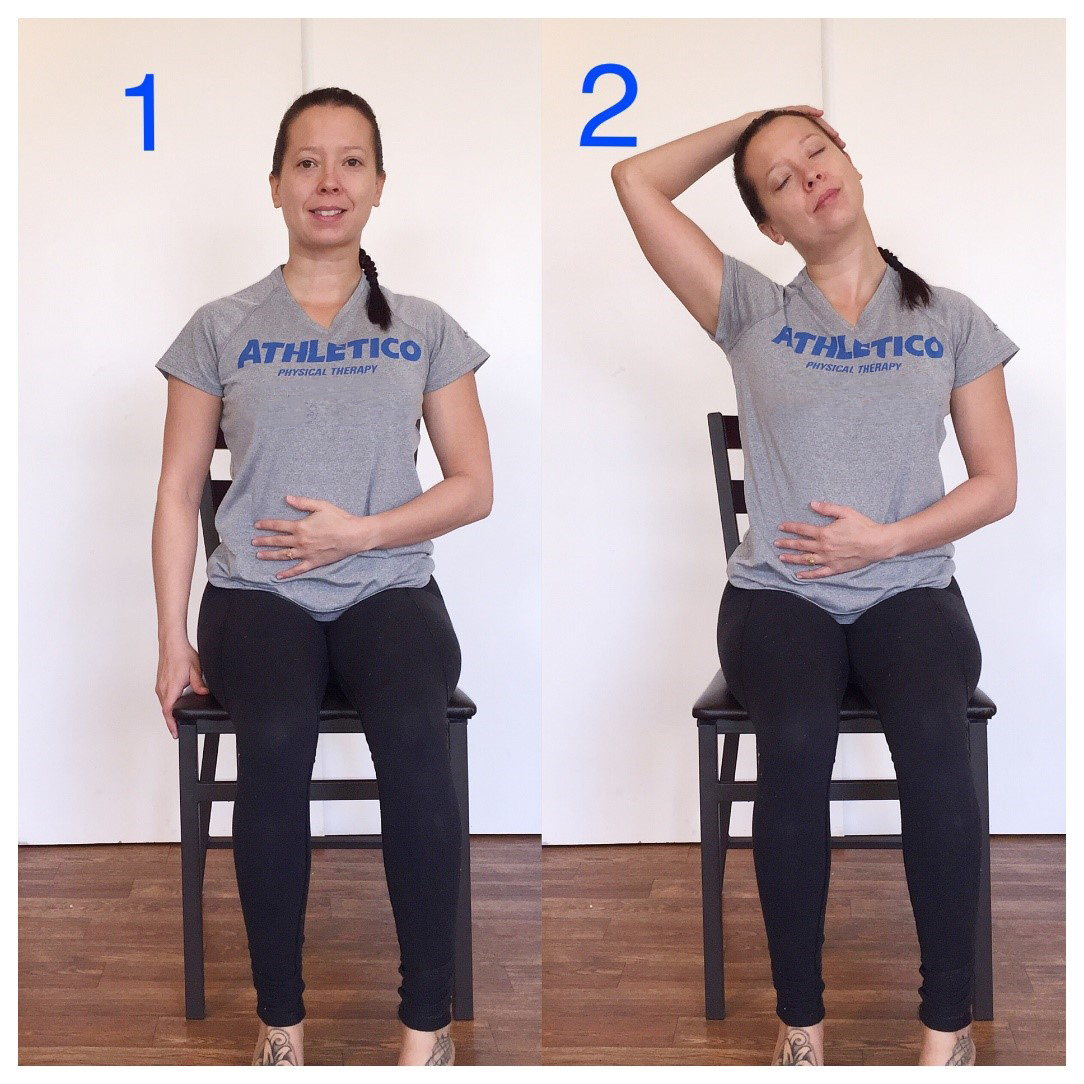
The trapezius muscle, a large triangular muscle spanning from the base of the skull to the mid-back and across the shoulders, plays a vital role in shoulder movement and neck stabilization. Due to sedentary lifestyles and prolonged sitting, many experience tension and strain in this muscle, leading to discomfort and poor posture. Regular trapezius stretching exercises increase flexibility, reduce tension, and enhance circulation, thus improving overall well-being and reducing injury risk. Simple stretches, such as head tilts and shoulder shrugs, target different trapezius sections, providing relief and promoting better posture.

Stretching lats

Stretching the latissimus dorsi, or lats, is crucial for upper body flexibility and preventing stiffness. These muscles aid in movements like pulling and lifting. Tight lats can limit motion, worsen posture, and elevate injury risks. Incorporating exercises like overhead lat stretches or the child’s pose can improve flexibility and promote spinal alignment. For athletes, flexible lats enhance performance, while day-to-day tasks become more efficient and less fatiguing, underscoring the value of including lat stretches in fitness routines.

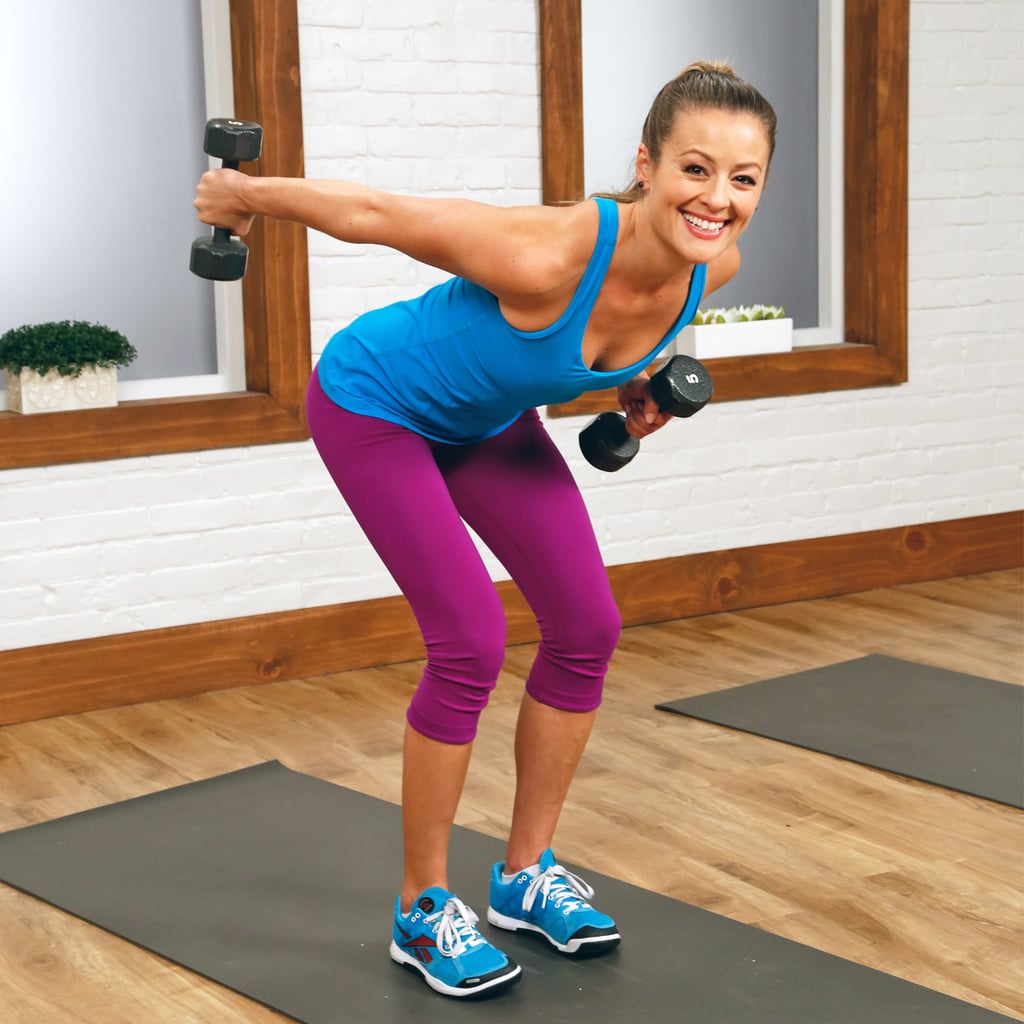
exercise for delts

Exercise targeting the deltoid muscles, or delts, is vital for shoulder strength and aesthetics, involving the anterior, lateral, and posterior heads. Effective exercises include shoulder presses for the anterior delts, lateral raises for the lateral head, and reverse flyes for the posterior delts, enhancing definition and stability.

exercise for forearms with dumbbells

Exercising the forearms with dumbbells is an effective way to enhance grip strength, muscle endurance, and overall forearm aesthetics. Incorporating exercises such as wrist curls, reverse wrist curls, and hammer curls into your workout routine can target the forearm flexors and extensors effectively. Wrist curls involve…

creatine loading phase

The creatine loading phase is a strategic approach often used by athletes and fitness enthusiasts to quickly saturate muscle stores with creatine, a compound that plays a key role in energy production during high-intensity activities. Typically, this phase involves consuming higher-than-normal creatine doses for a period of about 5 to 7 days, usually around 20 grams per day.

Mind-Muscle Connection: Unlocking the Secrets to Effective Workouts

Bodybuilding is more than just lifting weights; it’s a lifestyle balancing fitness, nutrition, and discipline. Understanding your body’s response to exercises like squats, deadlifts, and bench presses is crucial for building muscle. Nutrition is key, with proteins providing the amino acids necessary for muscle repair. Rest is vital for recovery and avoiding injuries. Motivation, goal-setting, and tracking progress are critical for long-term success in bodybuilding. Dedication and consistency can lead to transformative results, whether aiming for competitions or personal fitness improvements.

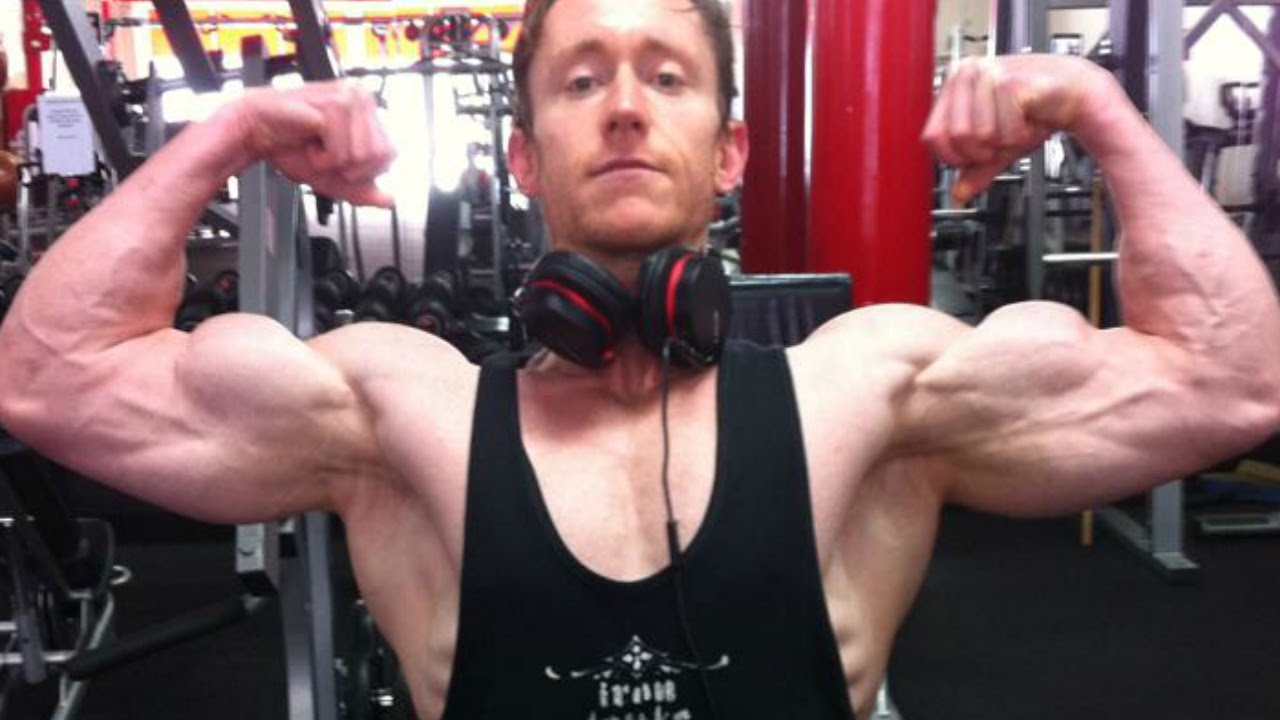
Bicep transformation

Bicep transformation involves targeted workouts and nutritional strategies to enhance bicep size and definition, crucial for upper arm aesthetics and mobility. Exercises like curls and pull-ups stimulate hypertrophy, increasing muscle mass and strength. Proper nutrition, including protein intake, and rest are vital for recovery and growth, ensuring optimal transformation and improved function.

Pilates vs. Yoga: Which Is Right for You?

Pilates, a low-impact workout, emphasizes core strength, flexibility, and body awareness. Created by Joseph Pilates in the early 20th century, it integrates yoga, ballet, and calisthenics. Designed for all fitness levels, Pilates enhances posture and muscle tone through precise movements, often using specialized equipment. It also improves mental focus and aids in injury recovery, making it popular among athletes and fitness enthusiasts.

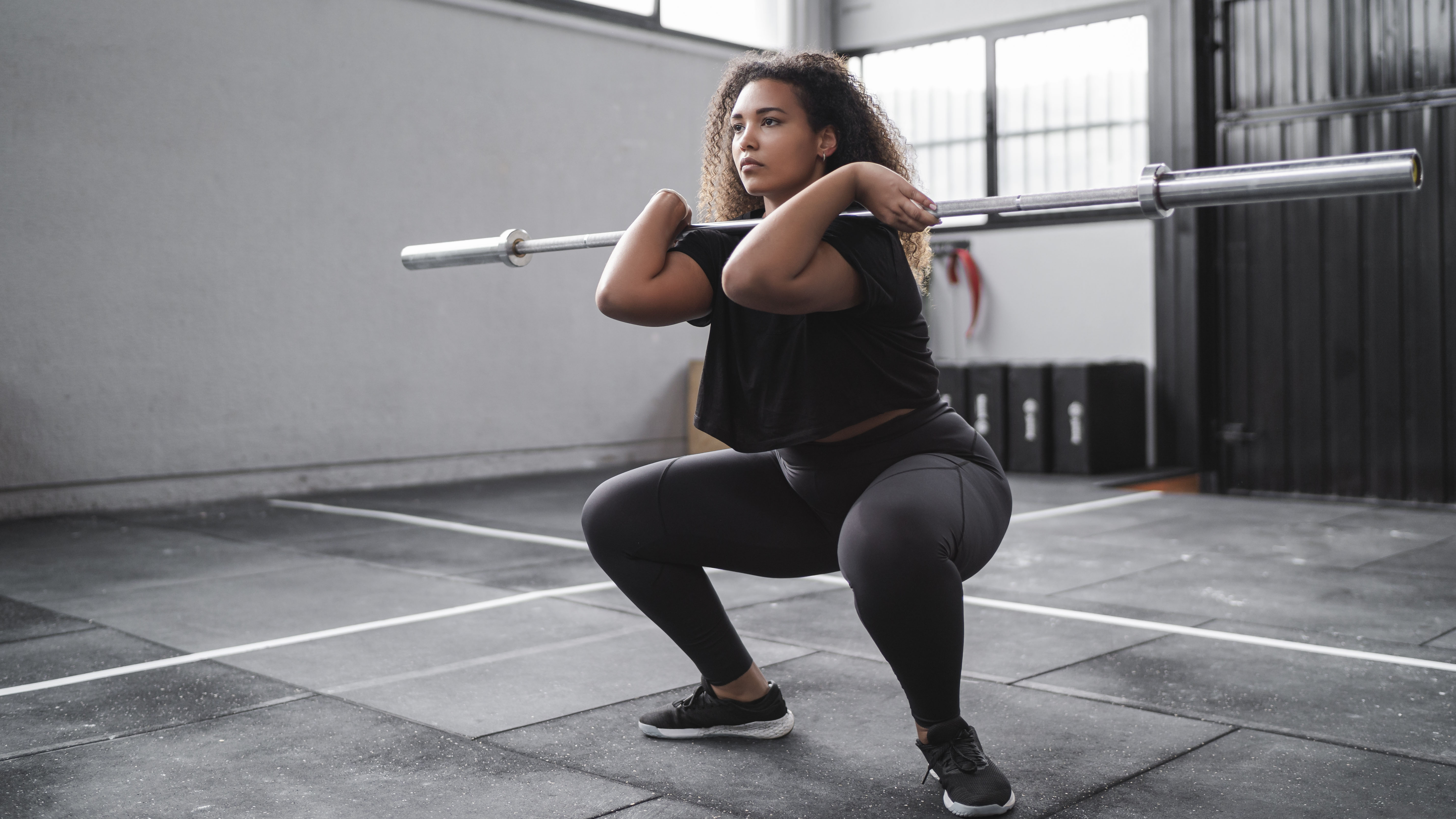
The Power of the Squat: Transform Your Body.

Squats are a versatile exercise that targets various muscle groups, primarily focusing on the quadriceps, hamstrings, and gluteal muscles, while also engaging the core and lower back. This compound movement enhances lower body strength, improves functional fitness, and mimics daily activities. Squats can be tailored to different fitness levels through variations like goblet and sumo squats, promoting balance, flexibility, and coordination. They effectively strengthen joints, reducing injury risk, and are a key part of a balanced workout routine.

The Science Behind the Stretch: Why Yoga Works

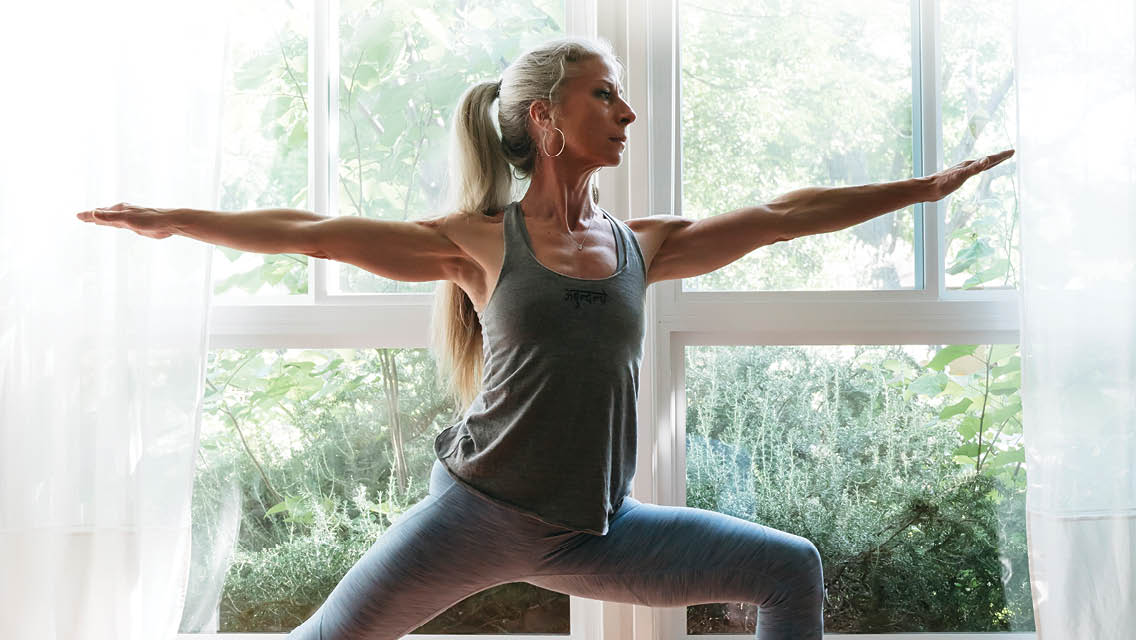
Yoga is an ancient practice from India that integrates physical, mental, and spiritual disciplines to promote holistic well-being. It blends postures, breathing, and meditation to enhance flexibility, strength, and relaxation. Regular practice improves health, reduces stress, and fosters inner peace. With various styles, it’s accessible to different ages and fitness levels.

Navigating the Urban Jungle: Tips for Safe City Cycling

Cycling is a versatile and enjoyable activity that serves not only as a mode of transportation but also as a highly effective form of exercise. It involves riding bicycles over various terrains, from city streets to mountain trails, providing an accessible way to integrate physical activity into daily life while promoting sustainability. The health benefits are extensive, including improved cardiovascular fitness and increased muscle strength.

Dorian yates diet

Dorian Yates, a six-time Mr. Olympia winner, is famous for his disciplined bodybuilding approach, which includes a strict diet. His dietary plan focuses on high-protein meals for muscle repair and growth, such as chicken, fish, and lean meats. Carbs from complex sources like brown rice and sweet potatoes are timed to maintain energy during intense workouts. Healthy fats from avocados and nuts support overall functions. Yates emphasizes hydration and micronutrients, using supplements to ensure his body is primed for performance and recovery, showcasing the diet’s crucial role in his success.

Unleash Your Inner Dancer: Five Reasons to Try Zumba Today

Zumba is a dynamic and exhilarating dance fitness program that combines Latin and international music with contagious dance movements for an effective and enjoyable workout experience. Originating in Colombia in the 1990s, Zumba was created by choreographer Alberto “Beto” Perez and has since gained massive popularity worldwide. The program incorporates a variety of dance styles, including salsa, merengue, cumbia, and reggaeton, making it accessible to people of all ages and fitness levels.

Join the Movement: Why Aerobics Is Making a Comeback in 2023

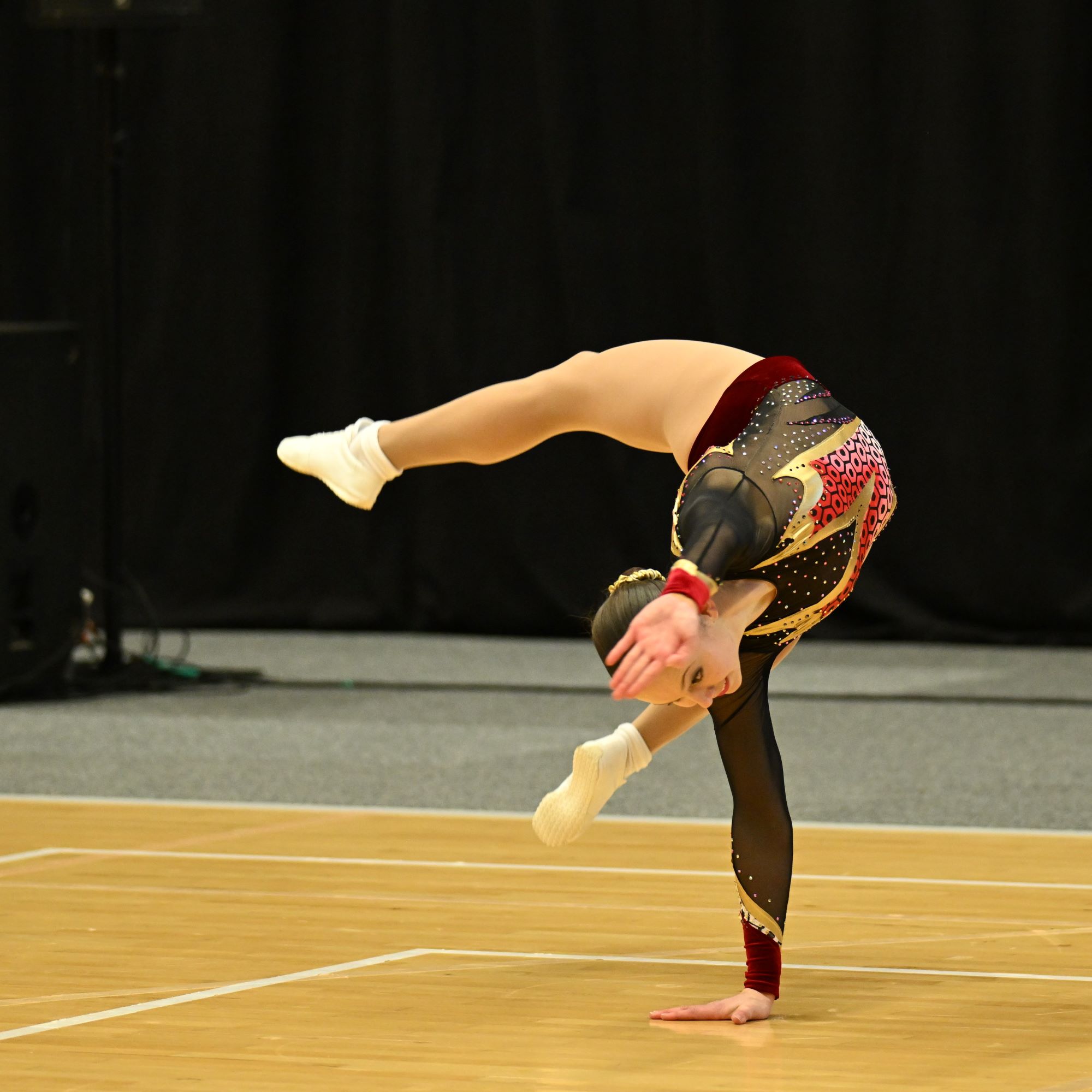
Aerobics is a form of exercise that mixes rhythmic activity with stretching and strength routines, often to music. Aimed at boosting cardiovascular fitness, flexibility, and endurance, it offers a vibrant workout experience. Popularized in the ’70s and ’80s, it became a global hit due to its accessibility and group spirit. With various formats like low-impact and step aerobics, it suits all ages and abilities, enhancing health, energy, and weight management while promoting community and enjoyment.

Ifit4life

In the fast-paced world of fitness, achieving the perfect balance between health and performance can be challenging. For enthusiasts serious about elevating their fitness game, Ifit4life is a significant ally. Whether you’re a professional bodybuilder, an amateur gym-goer, or in-between, Ifit4life offers insights and options to safely push your limits.

Rev Up Your Routine: The Best Spinning Gear for Every Cyclist

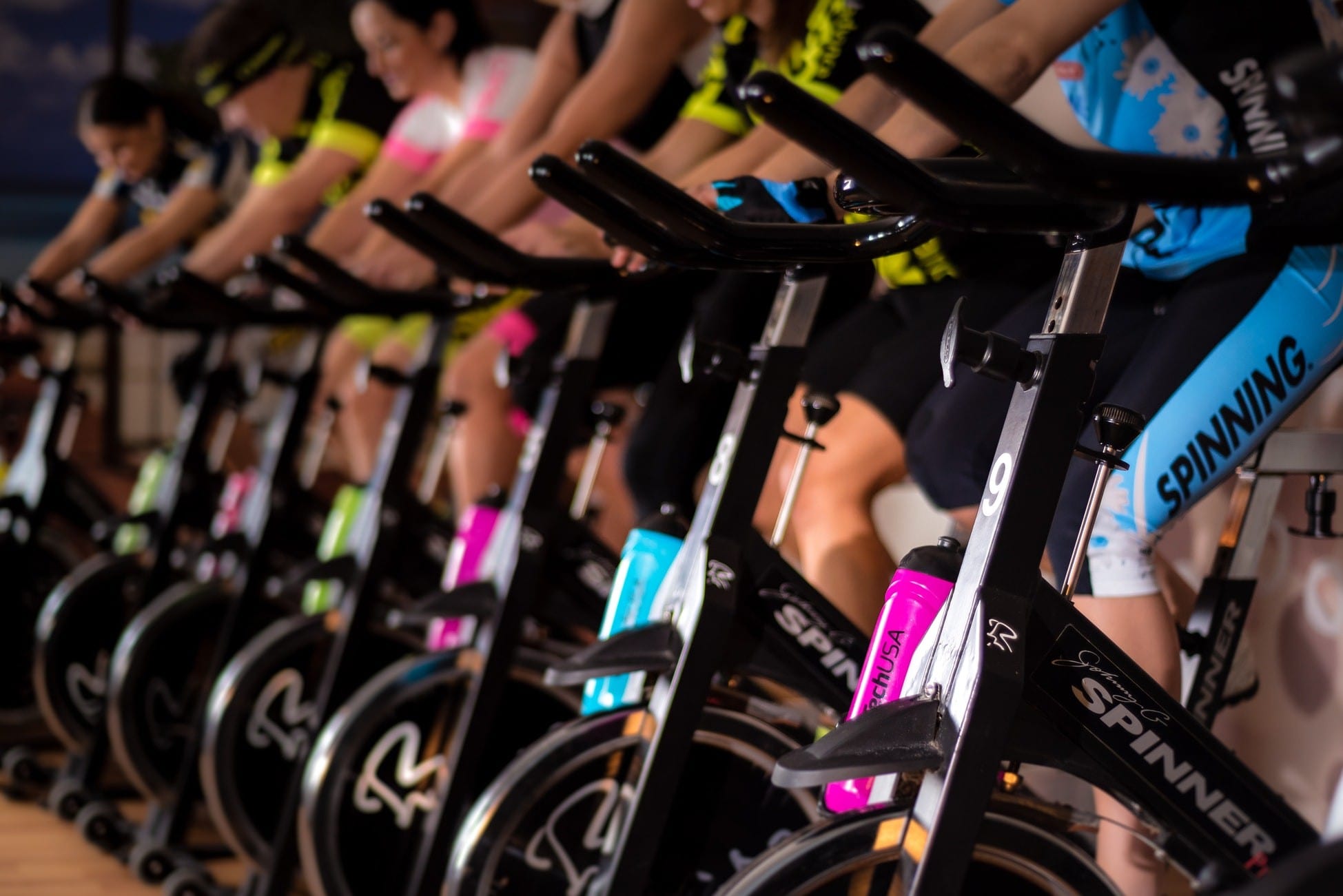
Indoor cycling, also known as spinning, is a high-intensity cardiovascular workout popular in gyms worldwide. It’s a low-impact exercise that enhances stamina, endurance, and muscle tone. Spinning classes simulate outdoor cycling through intervals, sprints, and climbs, led by instructors in a motivating group setting. It improves heart health and strengthens the lower body while boosting mood and reducing stress through upbeat music and social interaction. Suitable for all fitness levels, spinning offers a dynamic workout adaptable to individual abilities and goals.

Training Cycles Demystified: Optimize Your Regimen for Long-Term Gains

Training cycles are structured periods in training programs designed to enhance athletic performance, skill development, and prevent overtraining. These cycles are divided into macrocycles, mesocycles, and microcycles, each with a specific time frame. Macrocycles encompass the full training plan, while mesocycles target specific objectives over several weeks. Microcycles, lasting about a week, further organize workouts and rest for recovery and adaptation, optimizing performance and reducing injury risk.

Left Menu Icon