Testosterone Cholesterol: Understanding the Connection
The relationship between testosterone cholesterol represents one of the most fundamental biochemical connections in human physiology. Cholesterol serves as the essential building block for all steroid hormones, including testosterone, yet many individuals remain unaware of this critical relationship. Understanding how these two molecules interact becomes increasingly important as testosterone replacement therapy (TRT) grows in popularity and as clinicians monitor cardiovascular health in patients using anabolic steroids. The interplay between testosterone and cholesterol affects everything from hormone production to cardiovascular risk, making it essential knowledge for anyone considering or currently using testosterone-based therapies.
The Biochemical Foundation of Testosterone Cholesterol Synthesis
Cholesterol is not merely a dietary villain to be avoided. This lipid molecule serves as the fundamental precursor for all steroid hormones produced in the human body. The conversion of cholesterol into steroid hormones follows a complex enzymatic pathway that begins in the mitochondria of specialized cells.
How Cholesterol Becomes Testosterone
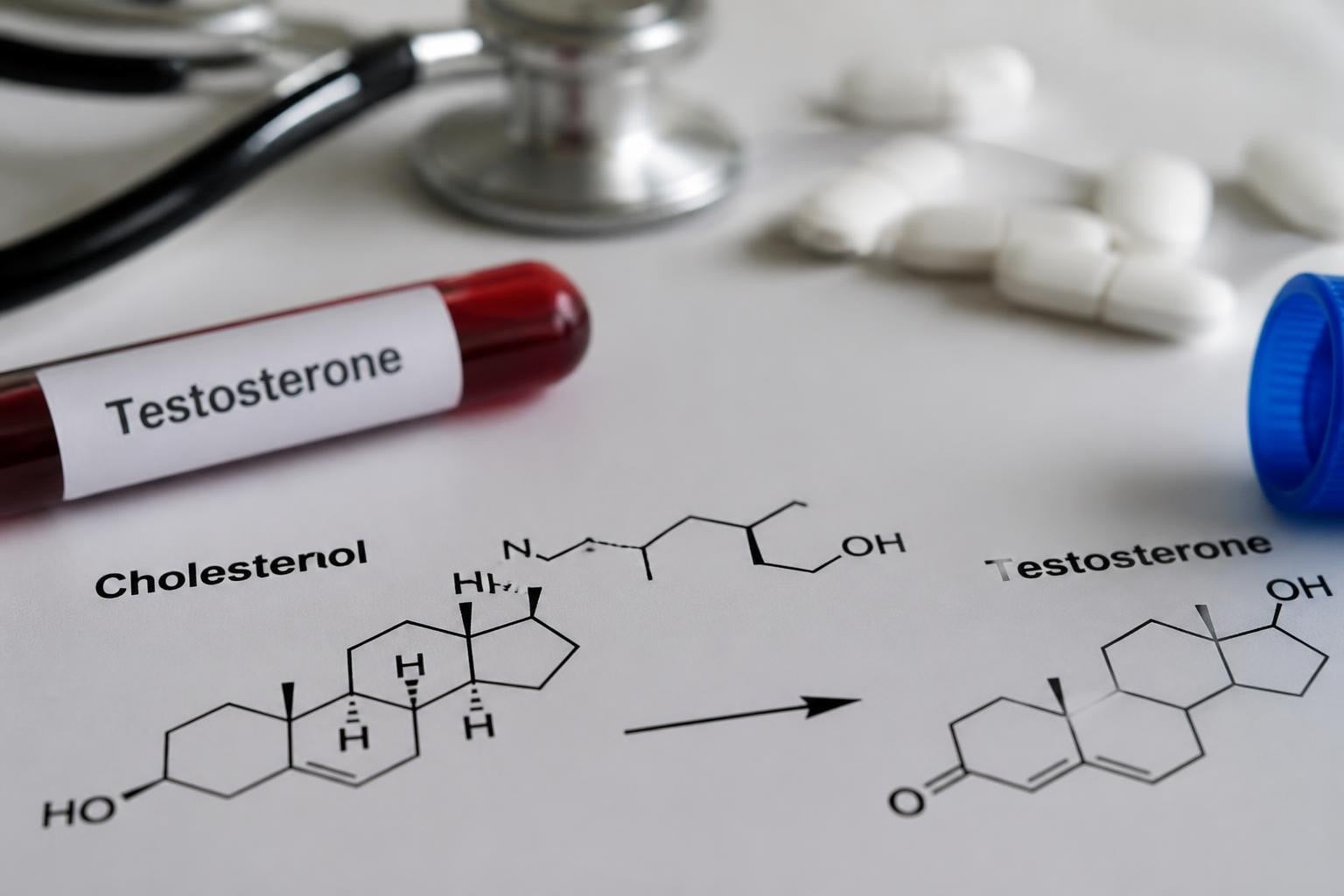
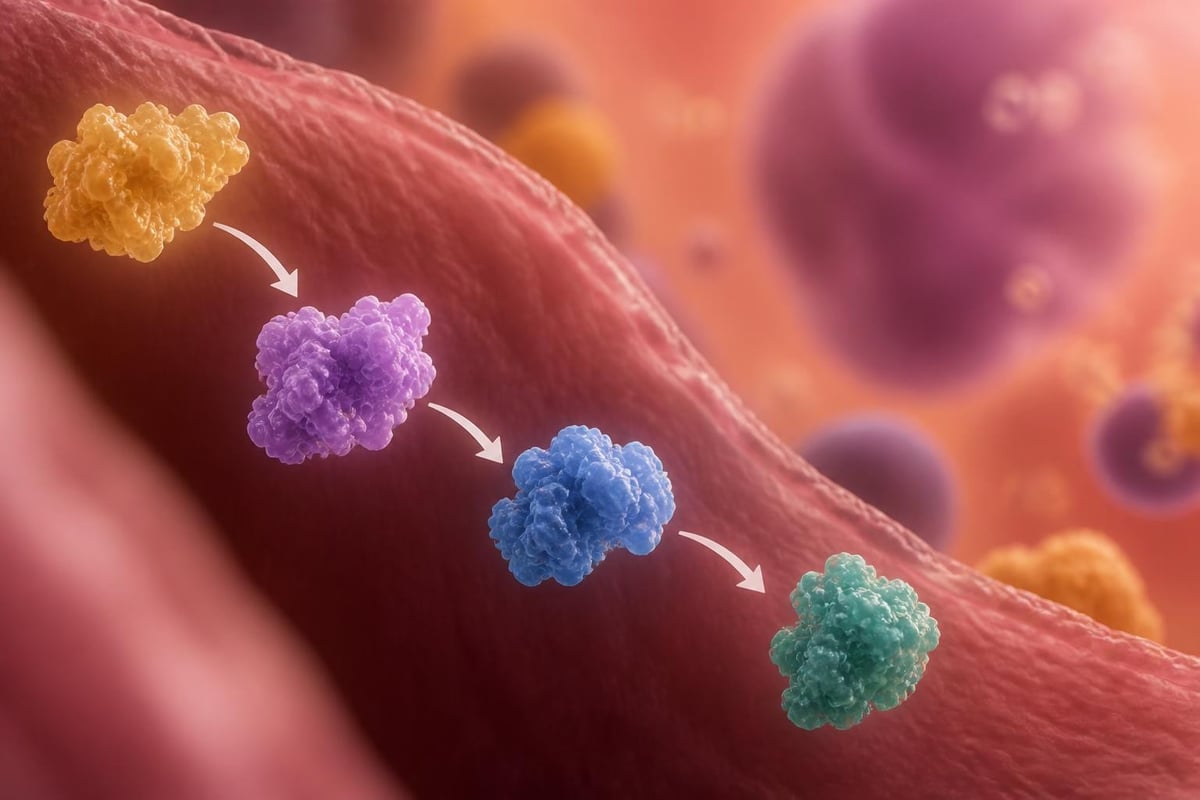
The steroidogenic pathway starts when cholesterol is transported into mitochondria, where the enzyme CYP11A1 converts it into pregnenolone. This represents the rate-limiting step in testosterone cholesterol synthesis. From pregnenolone, a series of enzymatic reactions occur:
- Pregnenolone converts to progesterone or 17-hydroxypregnenolone
- Further enzymatic steps produce androstenedione
- The enzyme 17β-hydroxysteroid dehydrogenase converts androstenedione to testosterone
- Alternative pathways through DHEA also contribute to final testosterone production
Without adequate cholesterol availability, the body cannot produce sufficient testosterone or other steroid hormones. This biochemical reality underscores why extremely low-cholesterol diets may inadvertently suppress natural hormone production in some individuals.
Cholesterol Sources for Hormone Production
The body obtains cholesterol through two primary routes: dietary intake and endogenous synthesis in the liver. Interestingly, most cholesterol used for steroid hormone production comes from internal synthesis rather than diet. The liver produces approximately 1,000 mg of cholesterol daily, far exceeding typical dietary intake.
Leydig cells in the testes, which produce most male testosterone, preferentially use cholesterol from high-density lipoprotein (HDL) particles. These cells express scavenger receptor class B type 1 (SR-B1), which facilitates selective uptake of cholesterol from HDL without internalizing the entire lipoprotein particle.
How Testosterone Affects Cholesterol Levels
The relationship between testosterone cholesterol works bidirectionally. Just as cholesterol is necessary for testosterone production, testosterone levels significantly influence cholesterol metabolism and blood lipid profiles.
Testosterone’s Impact on Lipid Profiles
Research consistently demonstrates that testosterone modulates several aspects of cholesterol metabolism:
Effects on HDL cholesterol: Testosterone typically reduces HDL cholesterol levels. This occurs through increased hepatic lipase activity, which accelerates HDL catabolism. The reduction generally ranges from 10-15% with testosterone replacement therapy.
Effects on LDL cholesterol: The impact on low-density lipoprotein (LDL) cholesterol varies across studies. Some research shows modest reductions in LDL, while other studies report minimal changes or slight increases.
Effects on triglycerides: Testosterone often reduces triglyceride levels, particularly in men with hypogonadism who have elevated baseline triglycerides.
| Lipid Parameter | Typical Change with TRT | Clinical Significance |
|---|---|---|
| Total Cholesterol | Slight decrease to no change | Generally neutral |
| LDL Cholesterol | Variable (±5-10%) | Monitor in high-risk patients |
| HDL Cholesterol | Decrease 10-15% | May offset cardiovascular benefits |
| Triglycerides | Decrease 10-20% | Generally favorable |
The HDL Paradox in Testosterone Users
The reduction in HDL cholesterol represents one of the most debated aspects of testosterone therapy. HDL is traditionally considered “good cholesterol” because higher levels associate with reduced cardiovascular risk. However, the moderate HDL reduction seen with physiologic testosterone replacement may not translate to increased cardiovascular risk.
Recent systematic reviews on cardiovascular effects of testosterone replacement therapy suggest that the lipid changes, including HDL reduction, do not necessarily predict adverse cardiovascular outcomes. The functionality of HDL particles may matter more than absolute quantity.

Monitoring Testosterone Cholesterol Parameters During Therapy
Proper monitoring of lipid profiles represents a critical component of safe testosterone therapy. The Endocrine Society clinical practice guidelines recommend comprehensive metabolic monitoring for all patients receiving testosterone treatment.
Baseline and Follow-Up Testing
Before initiating testosterone therapy, clinicians should obtain a complete lipid panel that includes:
- Total cholesterol
- LDL cholesterol (calculated or measured directly)
- HDL cholesterol
- Triglycerides
- Non-HDL cholesterol
Follow-up lipid testing should occur at 3-6 months after starting therapy, then annually for stable patients. More frequent monitoring may be warranted for individuals with pre-existing dyslipidemia or cardiovascular disease.
Interpretation Challenges in Steroid Users
Interpreting testosterone cholesterol relationships becomes more complex in individuals using supraphysiologic doses of anabolic steroids. High-dose testosterone and other androgens can produce more dramatic lipid alterations than therapeutic TRT:
- Greater HDL suppression: Doses exceeding therapeutic ranges may reduce HDL by 20-50%
- Increased LDL oxidation: Some evidence suggests anabolic steroids may increase oxidized LDL particles
- Altered lipoprotein particle size: Androgens may shift LDL particle distribution toward smaller, denser particles
- Impact of oral steroids: Orally active 17-alpha-alkylated steroids cause more pronounced adverse lipid changes than injectable testosterone
Individuals using testosterone for performance enhancement rather than medical therapy face substantially different lipid profiles than those on physician-supervised TRT. These individuals require particularly vigilant cardiovascular risk assessment.
Clinical Considerations for Testosterone Replacement
When testosterone is prescribed for legitimate medical conditions, the testosterone cholesterol relationship must be carefully managed within the broader context of cardiovascular health.
Patient Selection and Risk Stratification
Not all candidates for testosterone therapy face equal cardiovascular risk. Careful patient selection involves assessing multiple factors:
- Age: Older men face higher baseline cardiovascular risk
- Pre-existing cardiovascular disease: History of myocardial infarction, stroke, or heart failure requires caution
- Diabetes and metabolic syndrome: These conditions amplify cardiovascular risk independent of testosterone
- Baseline lipid abnormalities: Pre-existing dyslipidemia requires management before and during TRT
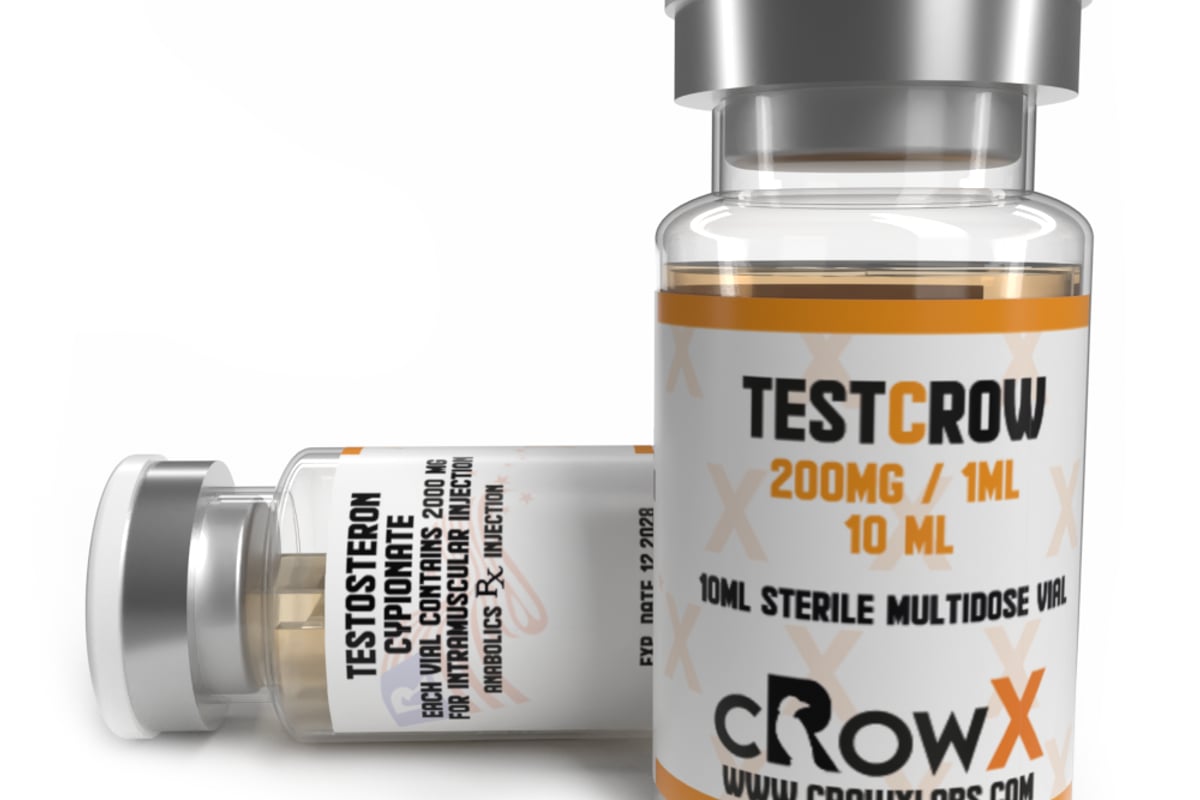
For men considering testosterone therapy who want to optimize their treatment, products like Testosterone Cypionate 200mg represent the most commonly prescribed formulation in the United States. This long-acting ester allows for convenient dosing schedules, typically requiring injections every 7-14 days when used under medical supervision with appropriate monitoring.
Cardiovascular Risk Management Strategies
The AUA educational materials on testosterone therapy and cardiovascular disease emphasize comprehensive risk reduction beyond simply monitoring lipids:
Lifestyle modifications: Diet, exercise, weight loss, and smoking cessation remain foundational interventions that improve both testosterone levels and cardiovascular health simultaneously.
Statin therapy when indicated: Men with elevated LDL or high cardiovascular risk may benefit from statin medications regardless of testosterone use. Statins do not interfere with testosterone therapy.
Blood pressure management: Testosterone may modestly increase blood pressure in some individuals, requiring monitoring and treatment when necessary.
Glycemic control: Testosterone improves insulin sensitivity in many hypogonadal men, but diabetes management must continue.
Optimizing the Testosterone Cholesterol Balance
Achieving optimal outcomes requires understanding how to support healthy cholesterol levels while maintaining adequate testosterone production or supplementation.
Dietary Approaches
Despite cholesterol’s role as a testosterone precursor, extremely high dietary cholesterol intake is unnecessary and potentially harmful. The body tightly regulates cholesterol synthesis, reducing production when dietary intake increases.
A balanced approach includes:
- Adequate healthy fats: Monounsaturated and omega-3 fatty acids support hormone production without adversely affecting lipid profiles
- Moderate saturated fat: Some saturated fat intake is acceptable, but excessive amounts may worsen LDL cholesterol
- Avoid trans fats: These artificial fats worsen lipid profiles without providing hormone synthesis benefits
- Sufficient micronutrients: Vitamins D and K2, zinc, and magnesium support both testosterone production and cardiovascular health
Exercise and Body Composition
Physical activity influences both testosterone levels and cholesterol metabolism through multiple mechanisms. Resistance training stimulates testosterone production, while both resistance and aerobic exercise improve lipid profiles.
Weight loss in overweight individuals typically:
- Increases endogenous testosterone production
- Reduces total and LDL cholesterol
- Increases HDL cholesterol
- Decreases triglycerides
- Improves insulin sensitivity
The testosterone cholesterol relationship thus benefits from comprehensive lifestyle optimization rather than isolated interventions.

Special Populations and Considerations
Certain groups face unique challenges regarding testosterone cholesterol management.
Aging Men
As men age, both total and free testosterone decline while cardiovascular risk increases. This creates a complex decision-making environment where the potential benefits of testosterone therapy must be weighed against cardiovascular concerns.
Older men often present with:
- Pre-existing atherosclerosis or cardiovascular disease
- Multiple cardiovascular risk factors
- Polypharmacy that may interact with testosterone
- Age-related changes in drug metabolism and clearance
Athletes and Bodybuilders
Individuals using supraphysiologic testosterone doses for performance enhancement face substantially different risk profiles than medical patients. The testosterone cholesterol relationship becomes more problematic at higher doses:
| Dose Range | Typical Lipid Impact | Risk Level |
|---|---|---|
| 100-200 mg/week (therapeutic) | Modest HDL decrease, minimal LDL change | Low to moderate |
| 300-500 mg/week (moderate enhancement) | Significant HDL decrease, variable LDL | Moderate to high |
| >500 mg/week (aggressive cycles) | Severe HDL suppression, increased LDL | High |
Athletes often compound these risks by combining multiple androgens, using oral steroids with worse lipid effects, and neglecting cardiovascular monitoring.
Women Receiving Testosterone
Though less common, some women receive testosterone therapy for specific medical conditions. Women are generally more sensitive to testosterone’s effects on lipids and require lower doses. The testosterone cholesterol dynamic in women deserves careful attention due to their typically higher baseline HDL levels and different cardiovascular risk profiles compared to men.
Long-Term Testosterone Cholesterol Management
Sustainable testosterone therapy requires long-term planning and periodic reassessment of the risk-benefit ratio.
Duration of Therapy Considerations
Many men starting testosterone therapy in 2026 will potentially use it for decades. Long-term management must address:
- Cumulative cardiovascular risk: Even modest lipid changes may accumulate significance over 20-30 years
- Changing baseline risk: Cardiovascular risk increases with age independent of testosterone
- Evolving evidence: New research continues to refine understanding of testosterone’s cardiovascular effects
- Alternative interventions: New treatments for hypogonadism may emerge with different lipid effects
When to Modify or Discontinue Therapy
Testosterone therapy should be reassessed if:
- Cardiovascular events occur during treatment
- Lipid abnormalities worsen significantly despite intervention
- New contraindications develop
- Patient preferences change regarding risk tolerance
- Symptoms fail to improve despite adequate testosterone levels
The decision to continue, modify, or stop testosterone therapy represents a collaborative process between patient and physician, informed by objective monitoring data including lipid profiles.
Integration with Comprehensive Health Management
The testosterone cholesterol relationship exists within a broader framework of metabolic and cardiovascular health. Optimal outcomes require integration of multiple interventions:
Medical management: Appropriate use of testosterone when indicated, combined with treatment of other cardiovascular risk factors including hypertension, diabetes, and dyslipidemia.
Lifestyle optimization: Diet, exercise, sleep, and stress management form the foundation of both hormonal and cardiovascular health.
Regular monitoring: Consistent follow-up with lipid panels, cardiovascular risk assessment, and other relevant testing ensures early detection of problems.
Individualized approaches: Recognition that each person’s testosterone cholesterol response varies, requiring personalized treatment strategies rather than one-size-fits-all protocols.
The science of testosterone therapy continues advancing in 2026, with ongoing research clarifying the nuances of how testosterone affects cholesterol and overall cardiovascular health. Men considering or currently using testosterone benefit from staying informed about emerging evidence while maintaining close medical supervision.
Understanding the testosterone cholesterol connection empowers better decision-making about hormone therapy and cardiovascular health. Whether you’re exploring testosterone replacement for medical reasons or seeking to optimize your hormonal health, proper monitoring and risk management remain essential. For those interested in pharmaceutical-grade testosterone products with reliable sourcing, 24-7.is offers a comprehensive selection of testosterone formulations and related compounds to support your goals under appropriate medical supervision.