Understanding IGF1 LR3: A Comprehensive Guide
Introduction to IGF1 LR3
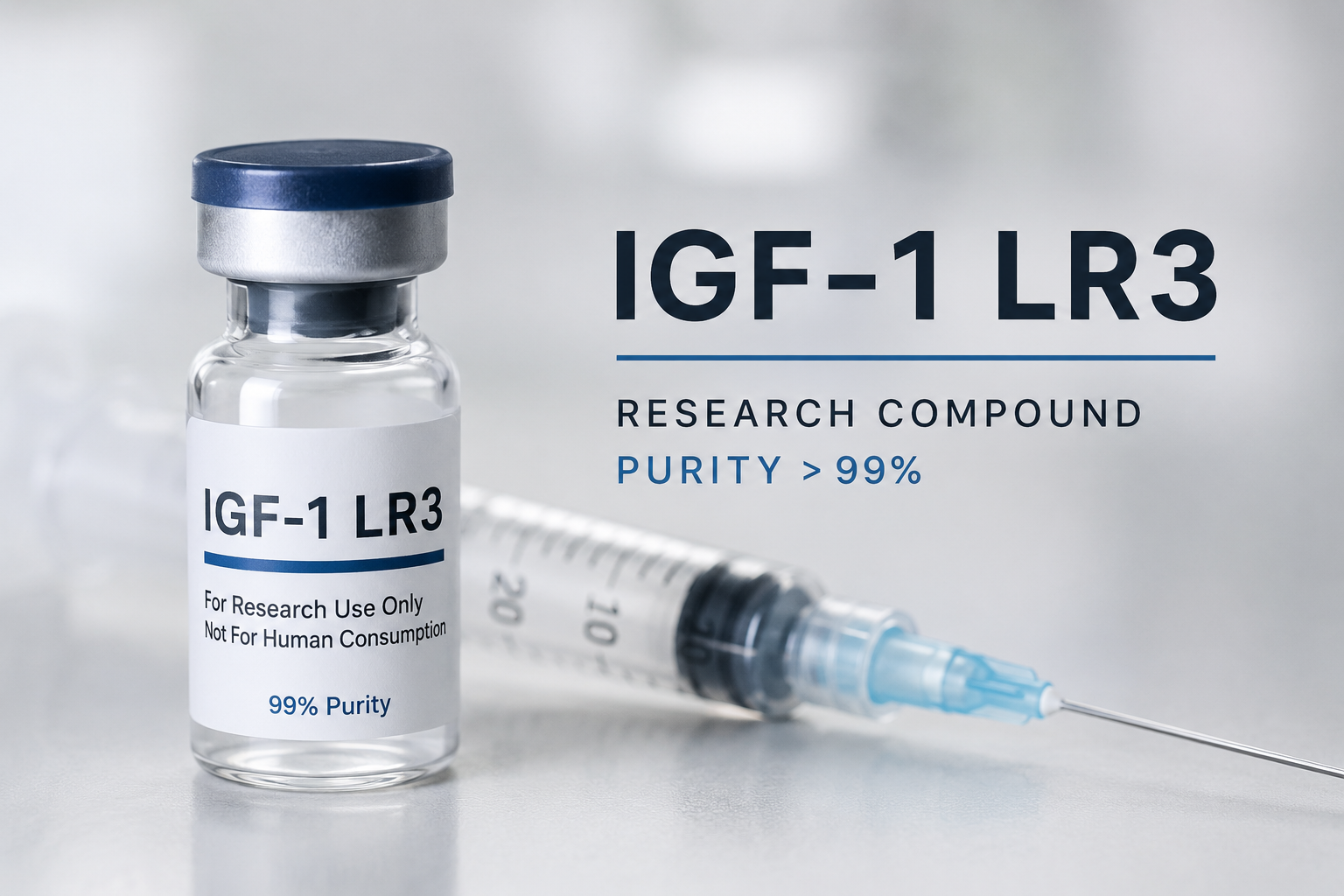
Insulin-Like Growth Factor 1 Long R3 (IGF1 LR3) is a synthetic protein developed for enhanced biological effects over its native counterpart, IGF-1. The modified peptide is well-regarded in scientific research for its potent anabolic properties, making it a subject of interest in muscle growth and cellular repair studies. IGF1 LR3 is distinct due to its extended half-life and increased efficacy.
Understanding IGF1 LR3
What is IGF1 LR3?
IGF1 LR3 is a modified version of the naturally occurring IGF-1, which plays a crucial role in growth during childhood and continues to have anabolic effects in adults. The LR3 variant is engineered to resist binding to inhibitory proteins, prolonging its activity and effectiveness.
Its primary uses are for research purposes, with particular focus on muscle development, cellular repair, and anti-aging effects. IGF1 LR3’s ability to stimulate hyperplasia and muscle differentiation sets it apart in the scientific community.
Mechanism of Action
The effectiveness of IGF1 LR3 comes from its interaction with the IGF-1 receptor, promoting enhanced cell growth and multiplication. This interaction triggers several downstream signaling pathways, notably the PI3K-Akt pathway, which is critical for muscle growth and cellular proliferation.
Unlike regular IGF-1, the long R3 variant does not bind as readily to IGF binding proteins, facilitating more free and effective interaction with cell receptors. This results in prolonged anabolic activity and offers researchers valuable insights into its potential therapeutic uses.
Benefits Explored
- Enhanced Muscle Growth: IGF1 LR3 significantly contributes to muscle hypertrophy and improved muscle repair mechanisms.
- Increased Strength: By promoting efficient nutrient uptake in muscles, the compound aids in faster recovery and increased strength.
- Potential Anti-aging Properties: Ongoing research explores its role in reducing age-related muscle degeneration and promoting healthy aging.
Applications in Research
Current Clinical Studies
Research involving IGF1 LR3 primarily focuses on its potential applications in muscle wasting conditions, regenerative medicine, and even neuroprotection. Animal studies are the foundation of ongoing clinical trials aiming to understand its therapeutic potential in humans.
Various reports highlight IGF1 LR3’s remarkable influence on muscle tissue’s ability to regenerate and grow, pointing to its vast potential in treating chronic muscle-related ailments.
Potential for Future Therapies
The extended half-life of IGF1 LR3 allows it to be a more effective agent in therapeutic innovations. Researchers are investigating its use in treating growth hormone deficiencies and its potential synergistic effects with other growth factors.
However, it is essential to note that while promising, these applications require rigorous scientific evaluation and validation through comprehensive clinical studies.
Considerations and Safety
Safety and Ethical Considerations
IGF1 LR3 is commonly used in controlled research settings. Concerns associated with its use involve potential side effects like hypoglycemia, increased organ growth, and interactions with other medications. Ethical considerations also play a significant role in its research applications, especially concerning off-label use.
Regulatory Status
As IGF1 LR3 remains primarily a research substance, it is essential for researchers and institutions to adhere to relevant ethical guidelines and safety protocols. Regulatory bodies closely monitor some studies, ensuring the compound’s application aligns with scientific standards.
Conclusion
IGF1 LR3 continues to intrigue researchers with its strong biological activity and promising therapeutic potentials. Despite its challenges and requirements for prudent use, its role in scientific research remains significant. As research progresses, IGF1 LR3’s applicability in medical science may expand, paving the way for novel treatments.
FAQ About IGF1 LR3
What is IGF1 LR3 primarily used for?
IGF1 LR3 is mainly utilized for research in fields like muscle growth, regenerative medicine, and understanding age-related degeneration. It offers a promising avenue for developing future therapeutic interventions.
How does IGF1 LR3 differ from regular IGF-1?
IGF1 LR3 is engineered to have a longer half-life and reduced binding to inhibitory proteins, allowing for more sustained bioavailability and enhanced biological effects than regular IGF-1.
Are there any known side effects of IGF1 LR3?
Some potential side effects include hypoglycemia, unregulated organ growth, and possible interactions with other substances. It is critical to consider these when conducting research.
Where can IGF1 LR3 research be applied?
Current research focuses on areas like muscle wasting diseases, anti-aging treatments, and potentially leveraging its properties for neuroprotection and regenerative medicine.
Is IGF1 LR3 approved for human use?
At present, IGF1 LR3 is not approved for public use and is limited to scientific research, demanding careful compliance with ethical standards and regulations.
FREE SHIPPING
HOT PROMOTIONS!
BIG SALE | FAST SHIPPING
TBOL TABLETS 50mg 50 TABLETS FIERCE
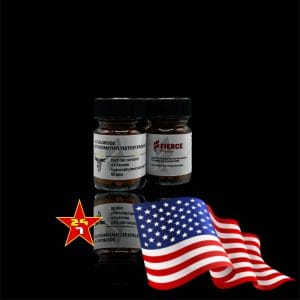
Original price was: $ 142.00.$ 141.00Current price is: $ 141.00.
CROWX 👑 ViaRow 50 tab | Viagra 100mg | Sildenafil
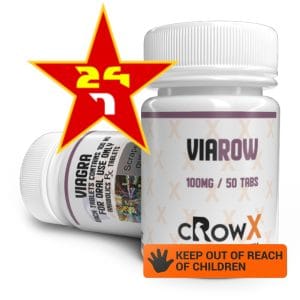
Original price was: $ 171.00.$ 111.00Current price is: $ 111.00.
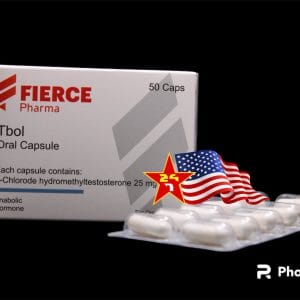
DBOL 50mg TABLETS 100 TABLETS FIERCE
Original price was: $ 212.00.$ 176.00Current price is: $ 176.00.