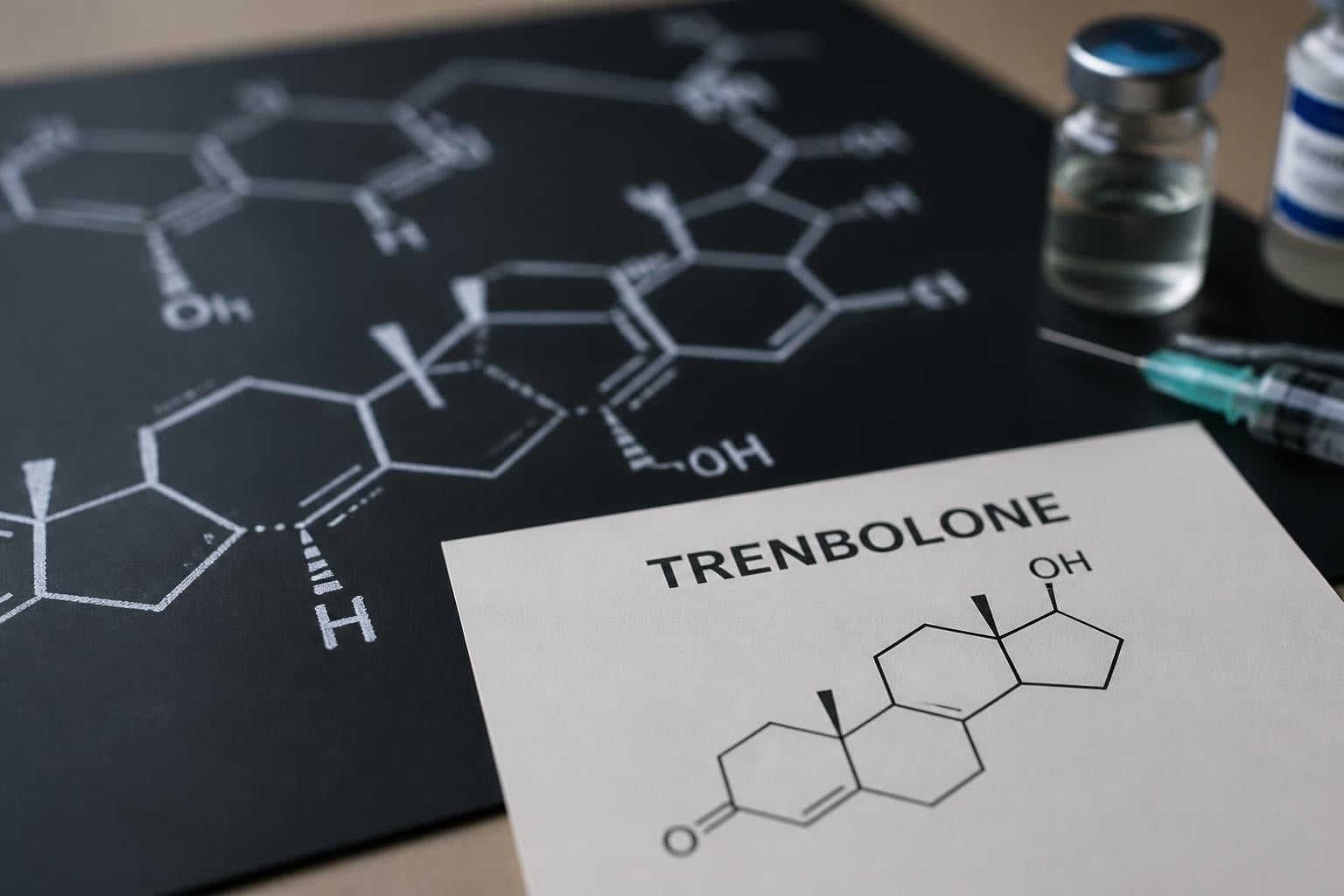
Trenbolone: Effects, Risks, and Regulatory Status
Comprehensive guide to trenbolone covering its veterinary origins, anabolic properties, health risks, legal status, and anti-doping regulations.

Comprehensive guide to trenbolone covering its veterinary origins, anabolic properties, health risks, legal status, and anti-doping regulations.
Comprehensive guide to testosterone enanthate covering pharmacology, dosing protocols, therapeutic applications, and safety considerations.
Learn how testosterone affects hematocrit levels, monitoring protocols, risk management strategies, and evidence-based approaches to safe TRT use.
Explore the relationship between testosterone blood pressure changes, cardiovascular risks, and safe monitoring strategies for hormone therapy users.
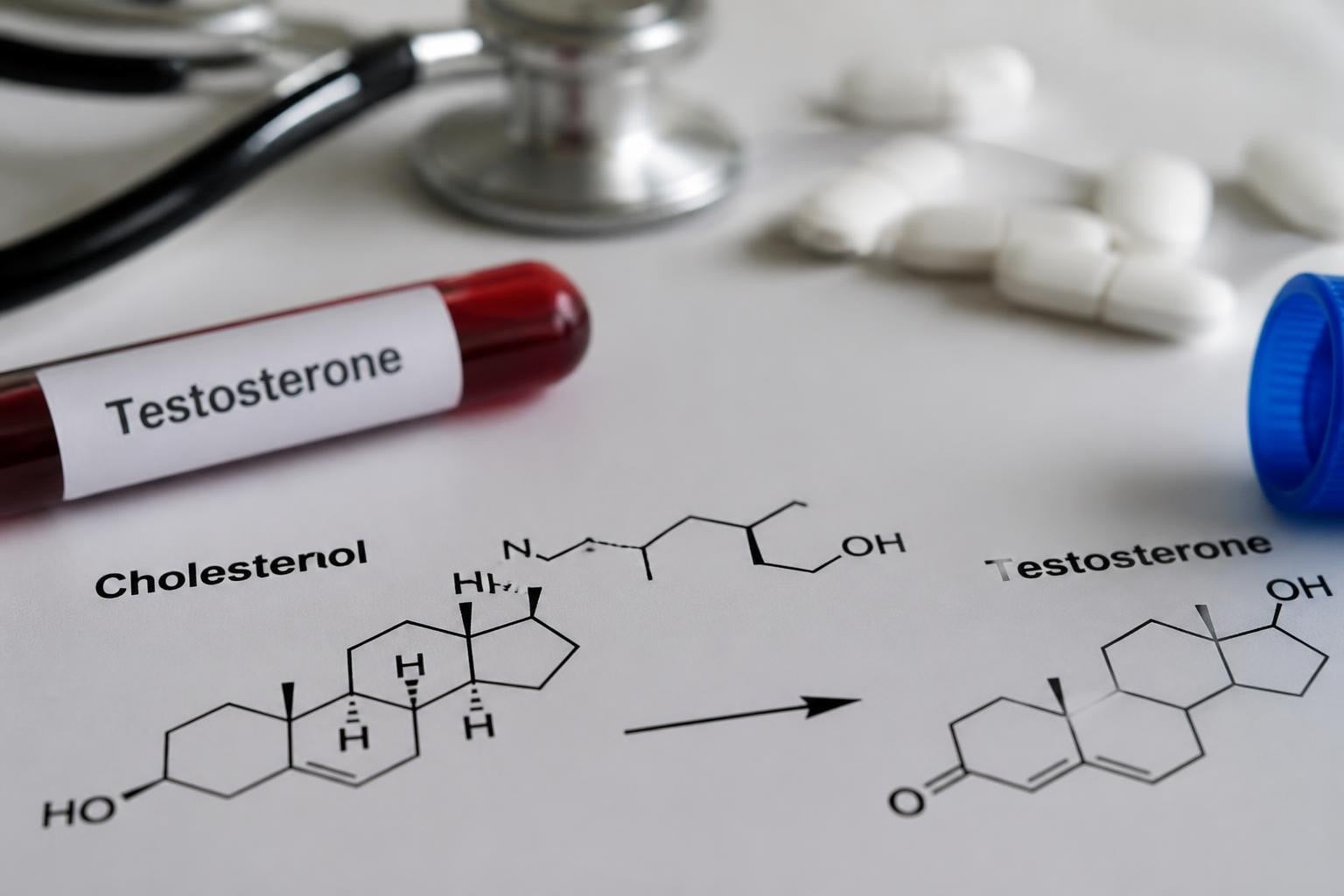
Discover how testosterone cholesterol are linked biochemically, how TRT affects lipid profiles, and what monitoring strategies matter in 2026.
Explore testosterone estrogen balance, aromatization, and therapeutic management. Learn how these hormones interact and affect health in 2026.
Master testosterone bloodwork: which tests to order, optimal timing, interpreting results, and monitoring therapy. Essential guide for TRT users.
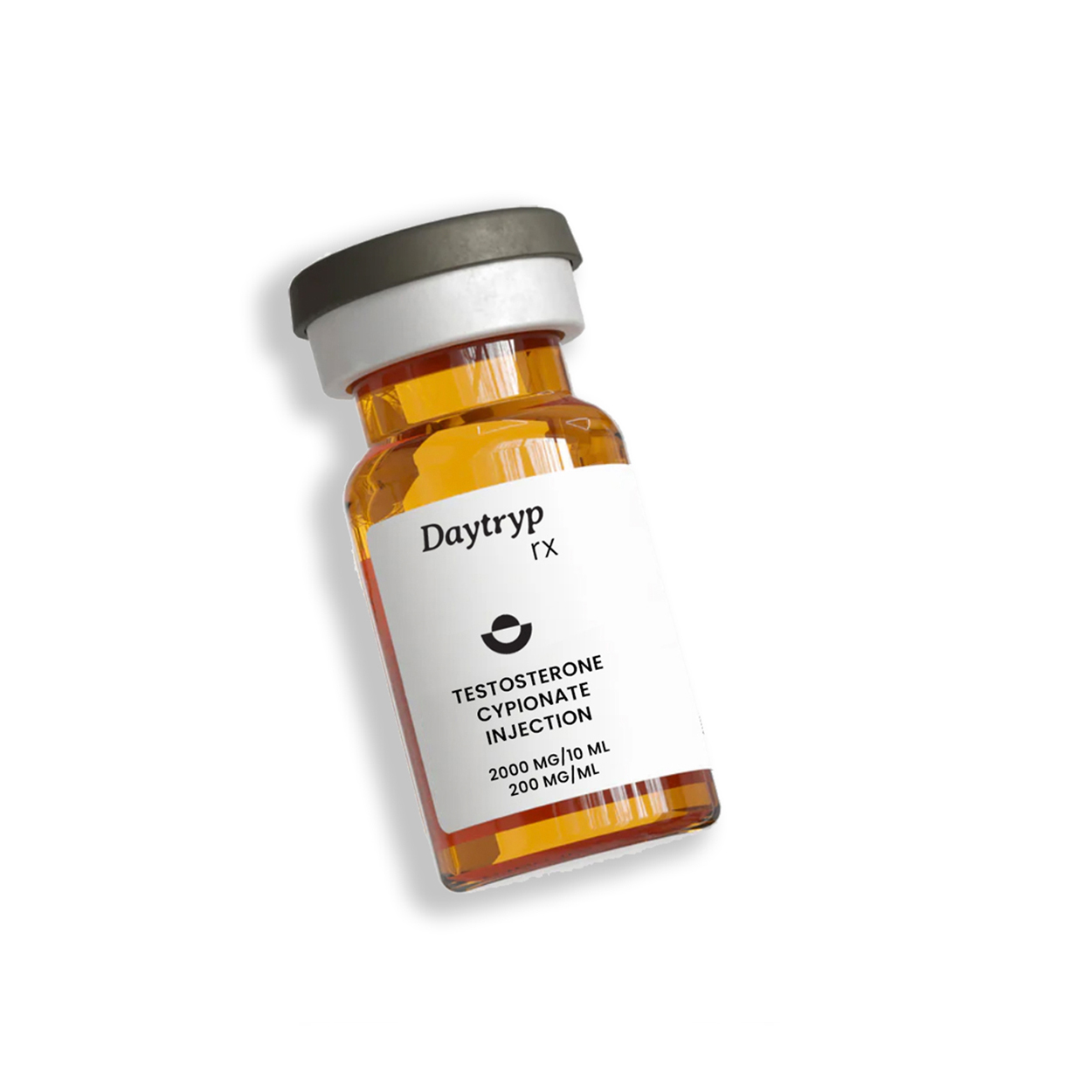
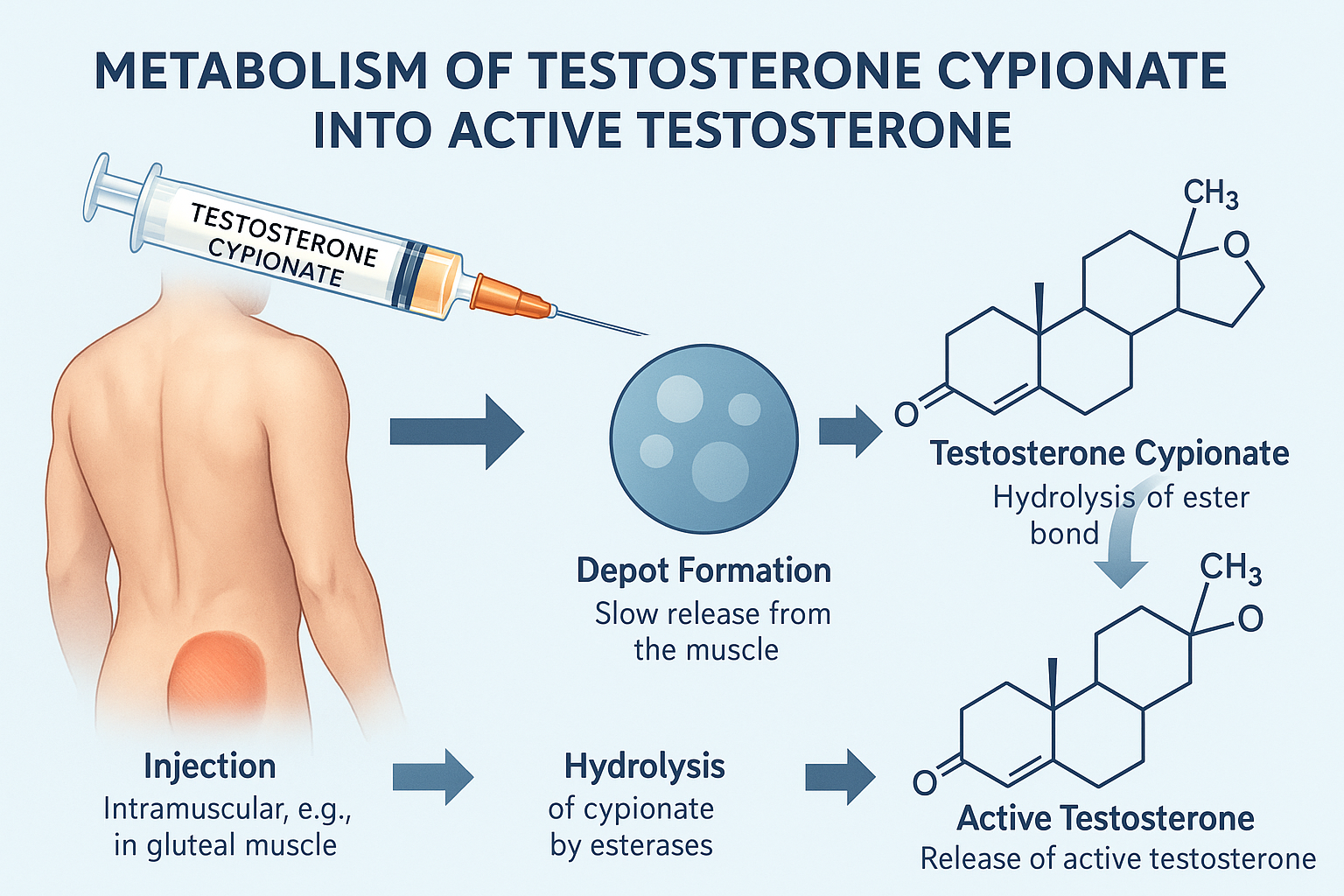
Comprehensive guide to testosterone cypionate covering dosage protocols, administration methods, safety profiles, and clinical applications in 2026.
Discover what happens during testosterone therapy. Learn about real testosterone before and after changes, timelines, and health impacts in 2026.
On average, a healthy adult male produces between 5 to 10 mg of testosterone daily. Factors such as age, overall health, lifestyle, and time of day can influence these levels. Testosterone is typically highest in the morning and gradually declines throughout the day.
Testosterone plays a crucial role in muscle development and physical performance, particularly for bodybuilders. Normal levels range from 300 to 1,000 ng/dL for men, but athletes often aim higher, typically between 800 to 1,200 ng/dL, sometimes exceeding 1,500 ng/dL with steroids.
Bodybuilders typically take between 200 mg to over 1,000 mg of testosterone per week, depending on experience and goals. While it enhances performance and muscle growth, risks include cardiovascular issues, hormonal imbalances, and potential liver damage. Consulting professionals is vital.
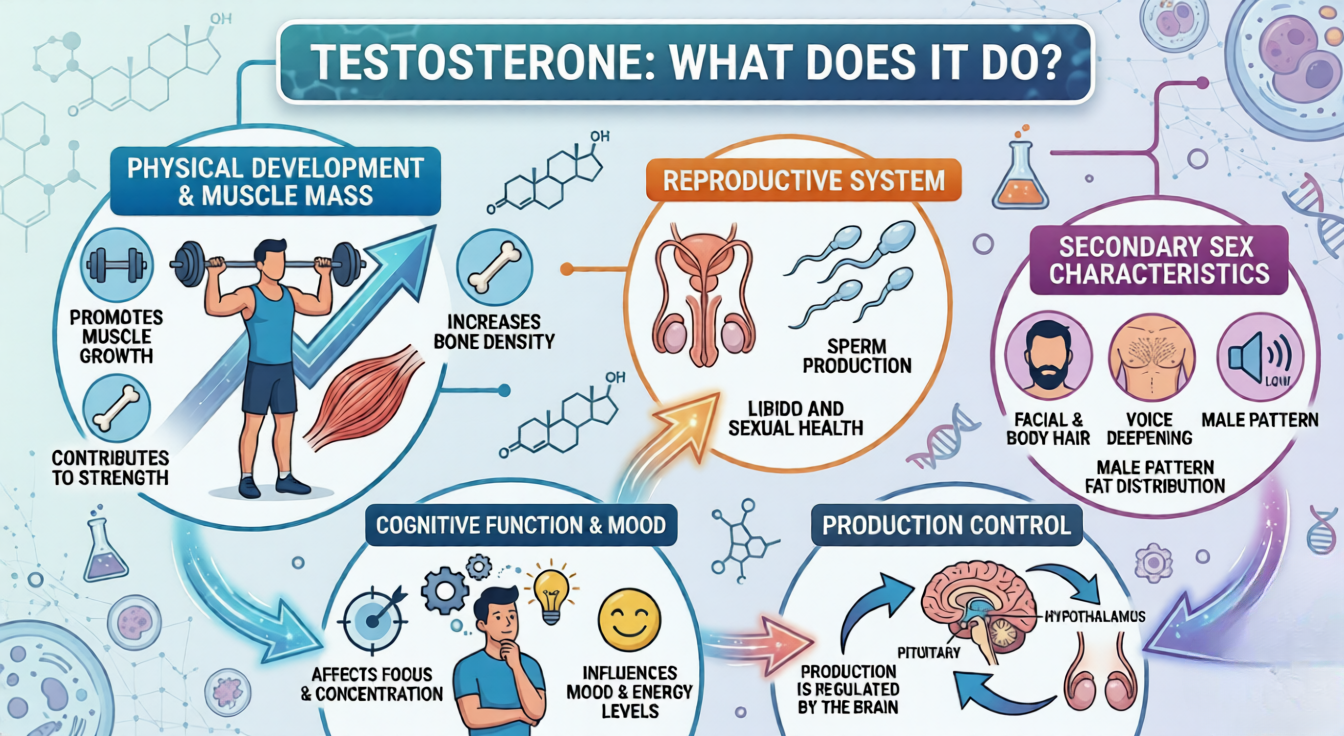
Testosterone, known as the male sex hormone, is vital for many bodily functions, impacting muscle, bone density, mood, and energy. Generally, a level of 800 ng/dL is considered normal, but its significance can vary based on factors like age and health. Regular testing is essential for hormonal health.
Testosterone is crucial for many bodily functions, but is a level of 1500 ng/dL dangerous? Normal levels range from 300-1,000 ng/dL for men and 15-70 ng/dL for women. Elevated testosterone can lead to health issues like cardiovascular problems, emotional changes, and prostate issues.
Testosterone is vital for muscle mass, bone density, and overall vitality. Elite testosterone levels, typically above 800 ng/dL, can enhance athletic performance by fostering muscle growth, aiding fat reduction, and boosting energy. Regular testing and lifestyle adjustments are key.
Testosterone is the main male sex hormone, essential for bodily functions like muscle mass and libido. A testosterone level of 1000 ng/dL can be seen as natural, depending on various factors such as age, health, and lifestyle. Understanding these influences is crucial for maintaining health.
When examining testosterone levels, a reading of 1200 ng/dL is considered above the typical range for adult males. Elevated testosterone can arise from factors like testosterone replacement therapy or anabolic steroid use and may lead to health risks, including cardiovascular issues and mood swings. Regular monitoring is essential.
In today’s digital age, the convenience of online pharmacies often comes with risks. Verifying legitimacy is crucial to avoid counterfeit drugs. Look for pharmacy certification, a secure website, and clear contact information. Always consult your healthcare provider before purchasing medications online.
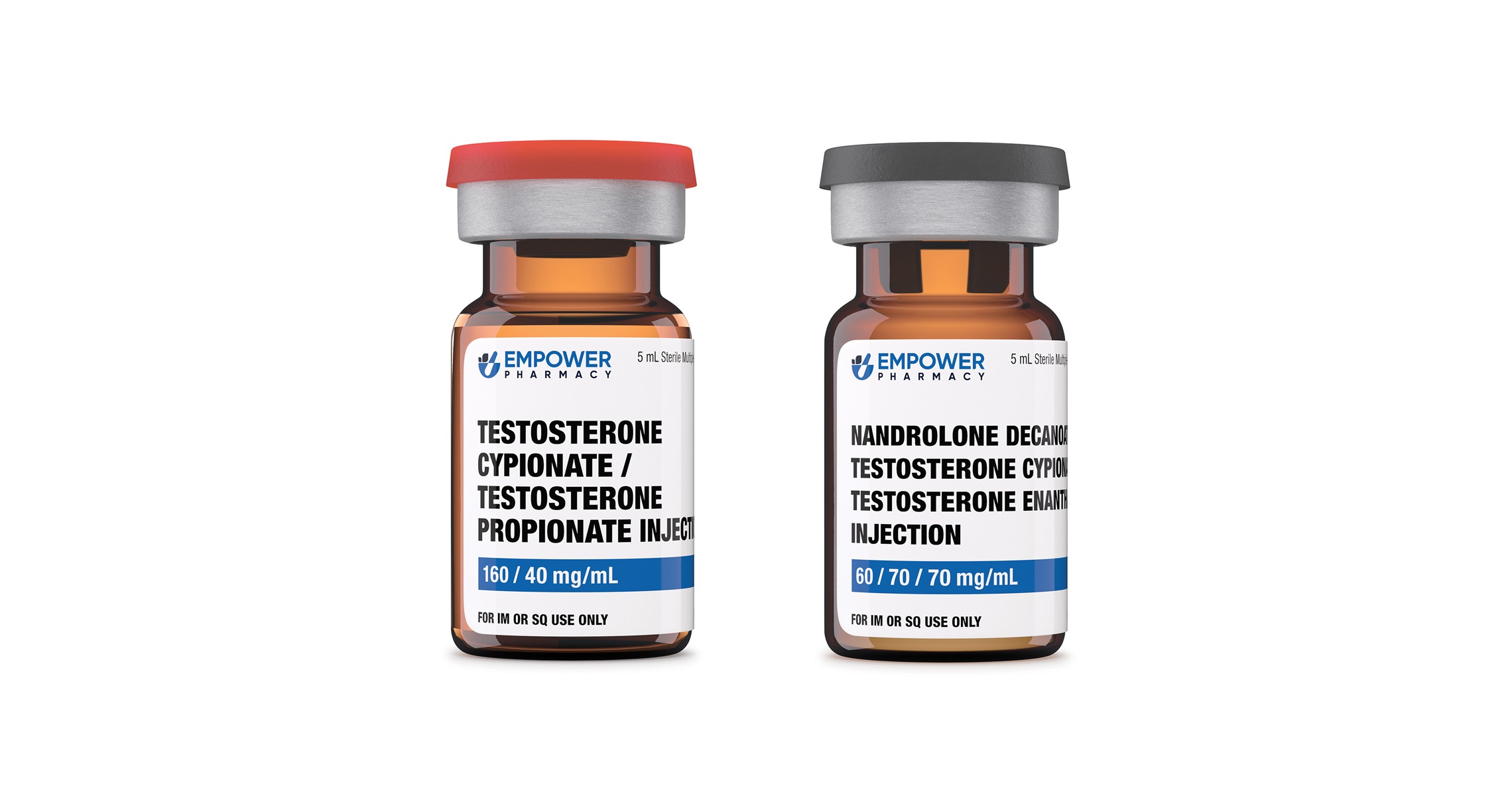
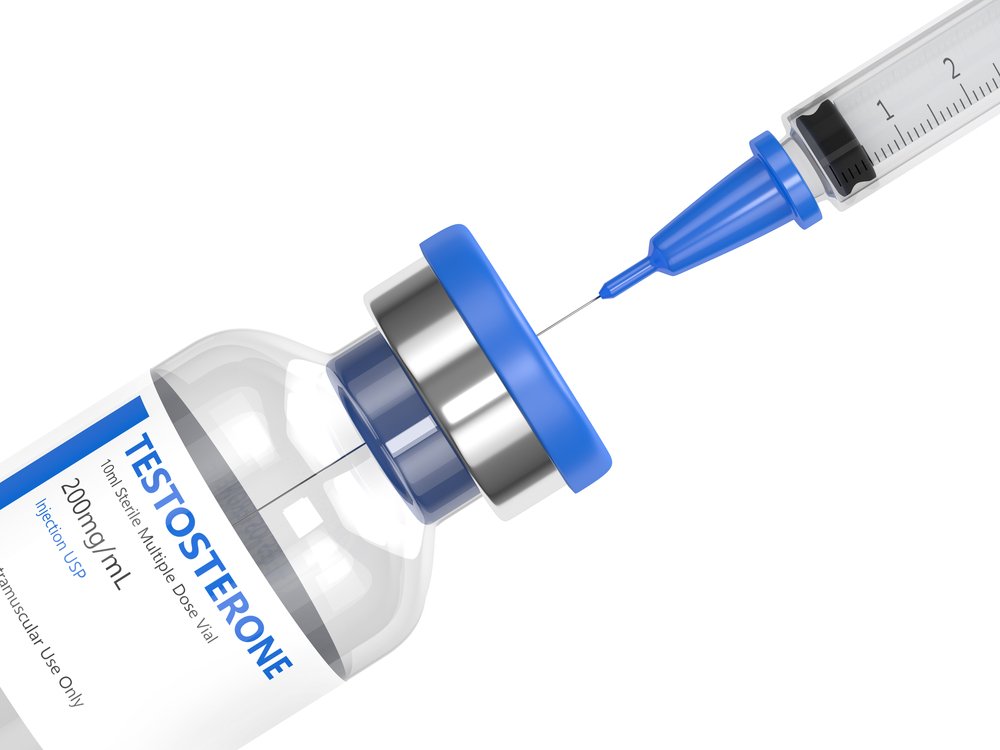
Liquid testosterone medications come in various forms, typically appearing as clear or slightly yellow oily liquids. Common types include testosterone enanthate and cypionate. They’re packaged in vials, pens, or syringes, which ensure safety and minimize contamination risks.
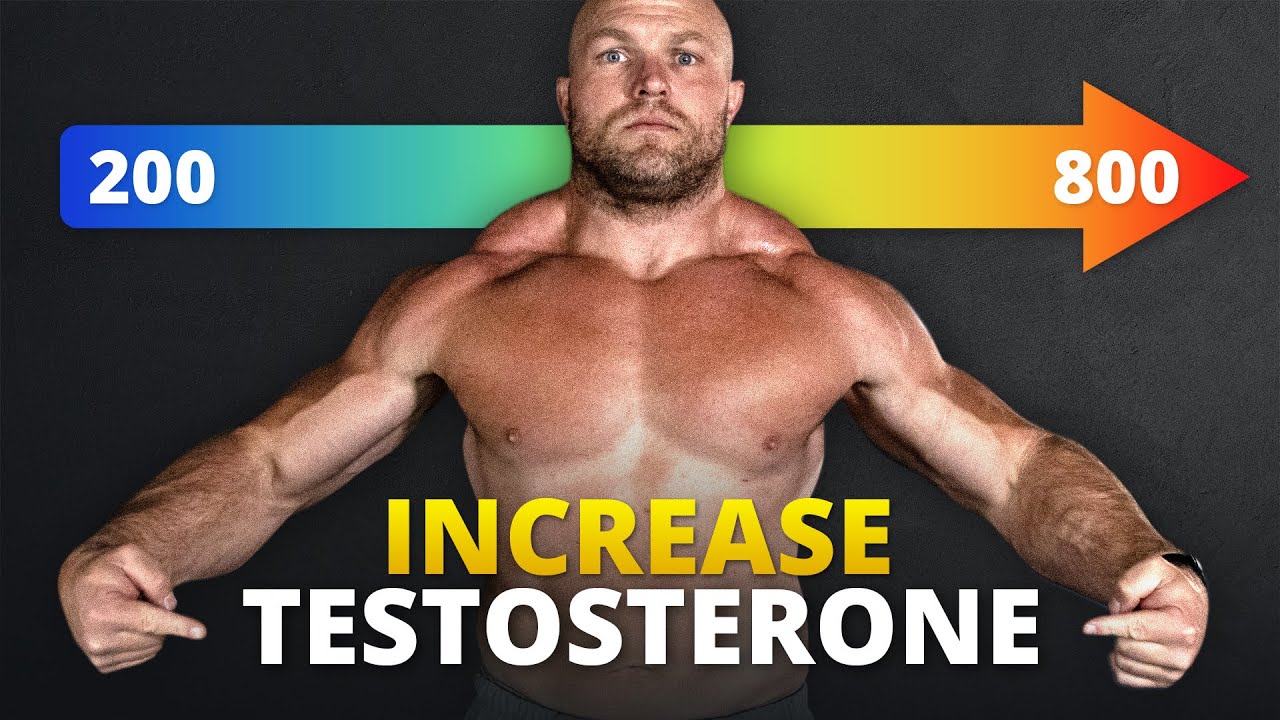
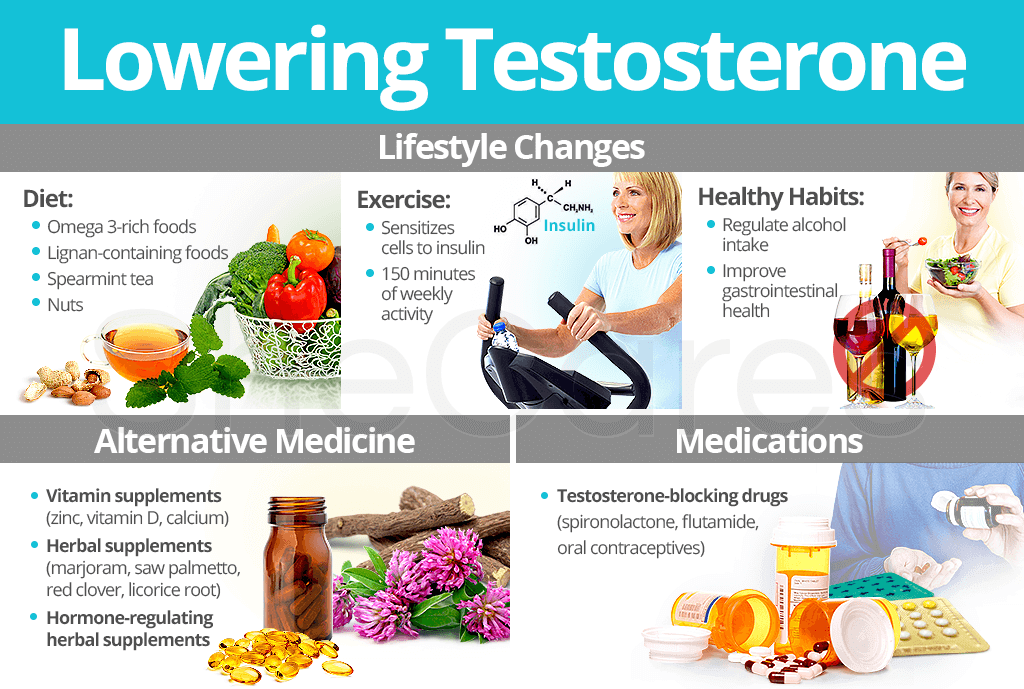
Testosterone is crucial for health, affecting libido, muscle mass, and mood. As it declines with age, many wonder if lifestyle changes can help. This article examines diet, exercise, sleep, and stress management as key factors in increasing testosterone levels effectively.
In the quest for health, exercise is vital, especially regarding testosterone levels. Testosterone influences muscle mass and overall well-being. While intense workouts can temporarily spike testosterone, long-term regular exercise helps stabilize and maintain levels, counteracting age-related declines.
Testosterone significantly influences behavior and personality, affecting emotional responses like aggression, dominance, and empathy. Its impact extends beyond physical traits, playing a role in social interactions and mood regulation. Healthy testosterone levels are vital for well-being.
Testosterone levels are crucial for men’s health, influencing muscle growth, bone density, and libido. Dietary choices impact hormone balance. Foods like soy, processed items, and alcohol can inhibit testosterone production, leading to issues like fatigue and reduced libido.
In the pursuit of better health and physical performance, many look for alternatives to steroids. Options such as nutritional supplements, hormonal balancing herbs, structured exercise programs, and lifestyle changes (like improved sleep and stress management) can enhance fitness safely.
After treatment, individuals often question how to maintain muscle mass, crucial for health and recovery. Muscle mass relies on protein synthesis, driven by nutrition, hormonal balance, and physical activity. Implementing tailored rehabilitation and adequate protein helps preserve muscle effectively.
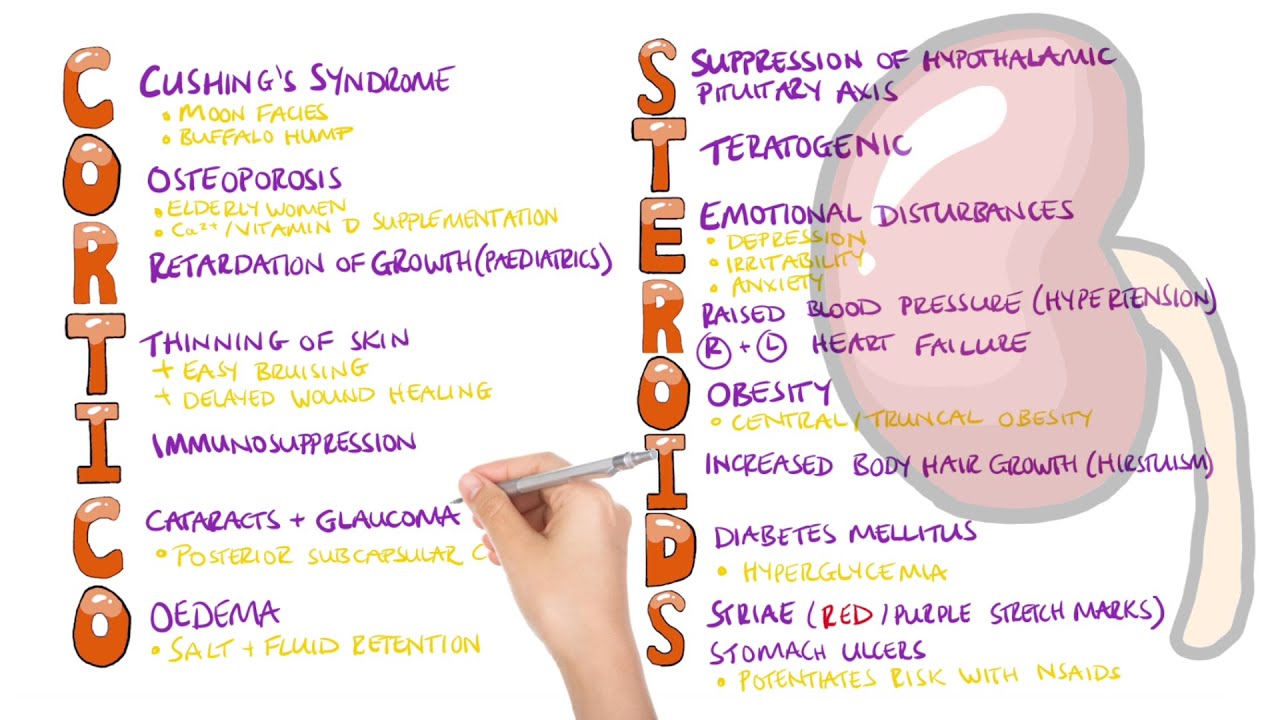
Oral steroids, though beneficial for medical conditions, carry significant risks. They can cause serious health issues, including cardiovascular complications, liver damage, hormonal imbalances, and psychological effects such as aggression. Understanding these risks is vital for informed decision-making.
The distinction between clinical doses and performance-enhancing cycles is vital. Clinical doses are prescribed for specific medical conditions, ensuring safety and efficacy, while performance-enhancing cycles aim to boost physical capabilities unlawfully, exposing users to serious health risks. Always consult a healthcare professional.
Hormones significantly influence facial bone structure, impacting health throughout life stages such as puberty and menopause. Key hormones include estrogen and testosterone, which shape bone density and define features like jawlines and cheekbones. Understanding these effects can aid in maintaining a youthful appearance.
Testosterone Replacement Therapy (TRT) costs vary widely, typically between $200 to $800 monthly based on treatment type and location. Injections may range from $100 to $300, while patches and gels can be $200 to $600. Insurance coverage can significantly reduce out-of-pocket expenses.
In professional acting, physical appearance is crucial, leading many actors to explore hormone treatments for enhancement or to combat aging. However, this raises ethical concerns about safety and fairness. Effective management involves transparency, healthcare consultation, and industry guidelines.