Testosterone Weight Gain: Causes Effects & Solutions
Discover how testosterone impacts weight gain, the science behind hormonal weight changes, and evidence-based strategies to manage body composition.

Historically, steroids have been used in elite sports for marginal gains over the opposition. You may well have heard of Lance Armstrong, Marion Jones, and Justin Gatlin all using performance-enhancing drugs (PEDs). 💪🏼
Today, we find that people tend to use steroids for other reasons. And they’ve become increasingly popular. It’s possible that you have used steroids yourself or know someone that has.
But what are steroids? And can they ever be used safely? That and more you will know if you read our blog.
Discover how testosterone impacts weight gain, the science behind hormonal weight changes, and evidence-based strategies to manage body composition.
Discover how testosterone fat loss works, the science behind hormone-driven body composition changes, and strategies to optimize testosterone levels.
Find an expert testosterone doctor for TRT therapy. Learn about qualifications, testing protocols, treatment options, and how to choose the right specialist.
Explore the complex relationship between testosterone depression and mental health. Learn about research findings, treatment options, and safety.
Discover how testosterone mood changes affect men, the science behind hormone-driven emotional shifts, and evidence-based strategies for management.
Learn how testosterone gynecomastia develops through aromatization, recognize key symptoms, and explore medical and surgical treatment options.
Discover how testosterone hair loss works, why DHT causes balding, and which treatments actually work. Evidence-based guide for 2026.
Understand the relationship between testosterone hemoglobin levels and TRT. Learn about erythrocytosis risks, monitoring protocols, and management.
Comprehensive guide to mesterolone covering clinical applications, pharmacology, dosing protocols, safety considerations, and regulatory status.
Explore boldenone’s chemistry, veterinary applications, human use considerations, and modern detection methods in athletic testing.
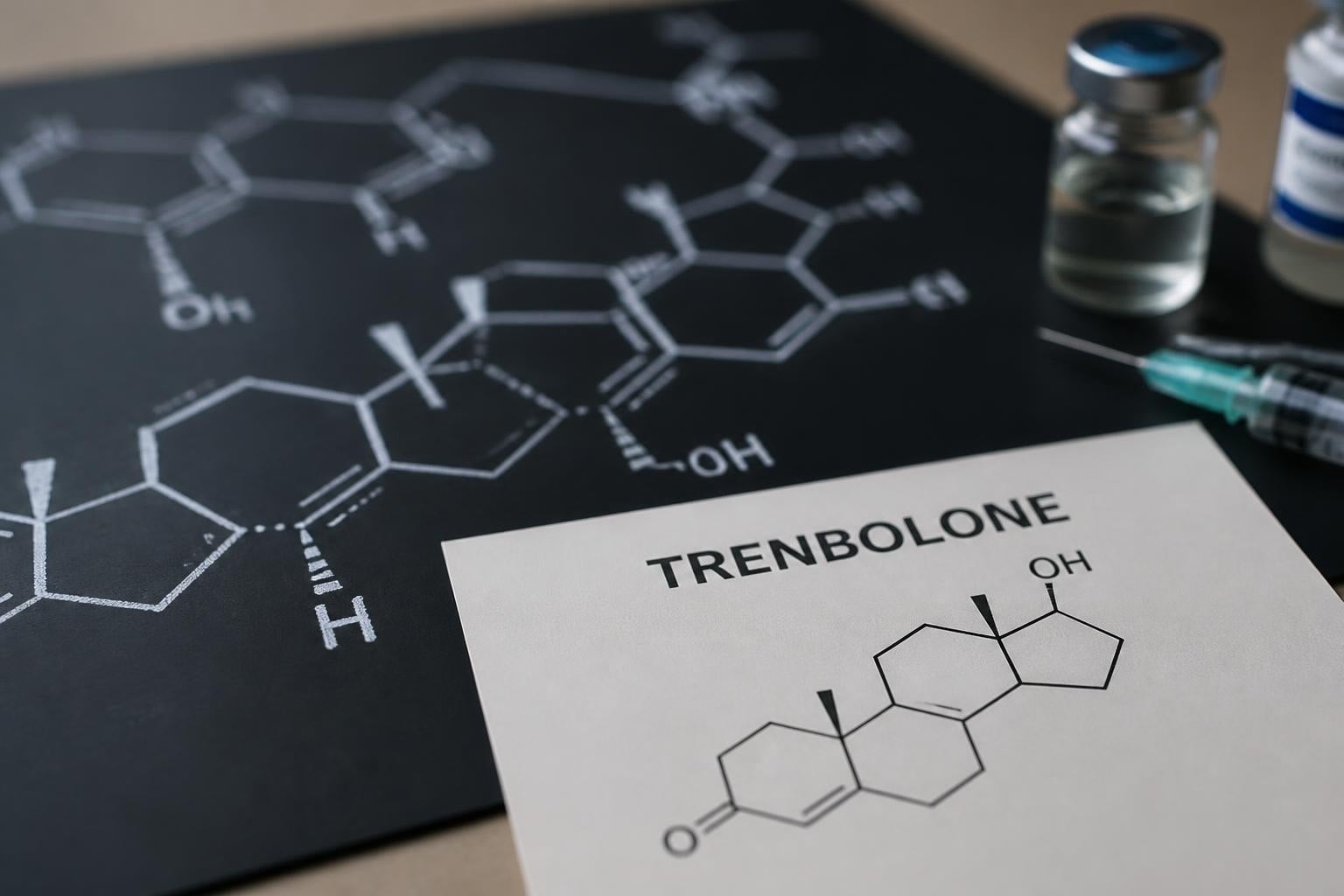
Comprehensive guide to trenbolone covering its veterinary origins, anabolic properties, health risks, legal status, and anti-doping regulations.
Comprehensive guide to testosterone enanthate covering pharmacology, dosing protocols, therapeutic applications, and safety considerations.
Learn how testosterone affects hematocrit levels, monitoring protocols, risk management strategies, and evidence-based approaches to safe TRT use.
Explore the relationship between testosterone blood pressure changes, cardiovascular risks, and safe monitoring strategies for hormone therapy users.
Discover how testosterone cholesterol are linked biochemically, how TRT affects lipid profiles, and what monitoring strategies matter in 2026.
Explore testosterone estrogen balance, aromatization, and therapeutic management. Learn how these hormones interact and affect health in 2026.
Master testosterone bloodwork: which tests to order, optimal timing, interpreting results, and monitoring therapy. Essential guide for TRT users.
Comprehensive guide to testosterone cypionate covering dosage protocols, administration methods, safety profiles, and clinical applications in 2026.
Discover what happens during testosterone therapy. Learn about real testosterone before and after changes, timelines, and health impacts in 2026.
On average, a healthy adult male produces between 5 to 10 mg of testosterone daily. Factors such as age, overall health, lifestyle, and time of day can influence these levels. Testosterone is typically highest in the morning and gradually declines throughout the day.
Testosterone plays a crucial role in muscle development and physical performance, particularly for bodybuilders. Normal levels range from 300 to 1,000 ng/dL for men, but athletes often aim higher, typically between 800 to 1,200 ng/dL, sometimes exceeding 1,500 ng/dL with steroids.
Bodybuilders typically take between 200 mg to over 1,000 mg of testosterone per week, depending on experience and goals. While it enhances performance and muscle growth, risks include cardiovascular issues, hormonal imbalances, and potential liver damage. Consulting professionals is vital.
Testosterone, known as the male sex hormone, is vital for many bodily functions, impacting muscle, bone density, mood, and energy. Generally, a level of 800 ng/dL is considered normal, but its significance can vary based on factors like age and health. Regular testing is essential for hormonal health.
Testosterone is crucial for many bodily functions, but is a level of 1500 ng/dL dangerous? Normal levels range from 300-1,000 ng/dL for men and 15-70 ng/dL for women. Elevated testosterone can lead to health issues like cardiovascular problems, emotional changes, and prostate issues.
Testosterone is vital for muscle mass, bone density, and overall vitality. Elite testosterone levels, typically above 800 ng/dL, can enhance athletic performance by fostering muscle growth, aiding fat reduction, and boosting energy. Regular testing and lifestyle adjustments are key.
Testosterone is the main male sex hormone, essential for bodily functions like muscle mass and libido. A testosterone level of 1000 ng/dL can be seen as natural, depending on various factors such as age, health, and lifestyle. Understanding these influences is crucial for maintaining health.
When examining testosterone levels, a reading of 1200 ng/dL is considered above the typical range for adult males. Elevated testosterone can arise from factors like testosterone replacement therapy or anabolic steroid use and may lead to health risks, including cardiovascular issues and mood swings. Regular monitoring is essential.
In today’s digital age, the convenience of online pharmacies often comes with risks. Verifying legitimacy is crucial to avoid counterfeit drugs. Look for pharmacy certification, a secure website, and clear contact information. Always consult your healthcare provider before purchasing medications online.
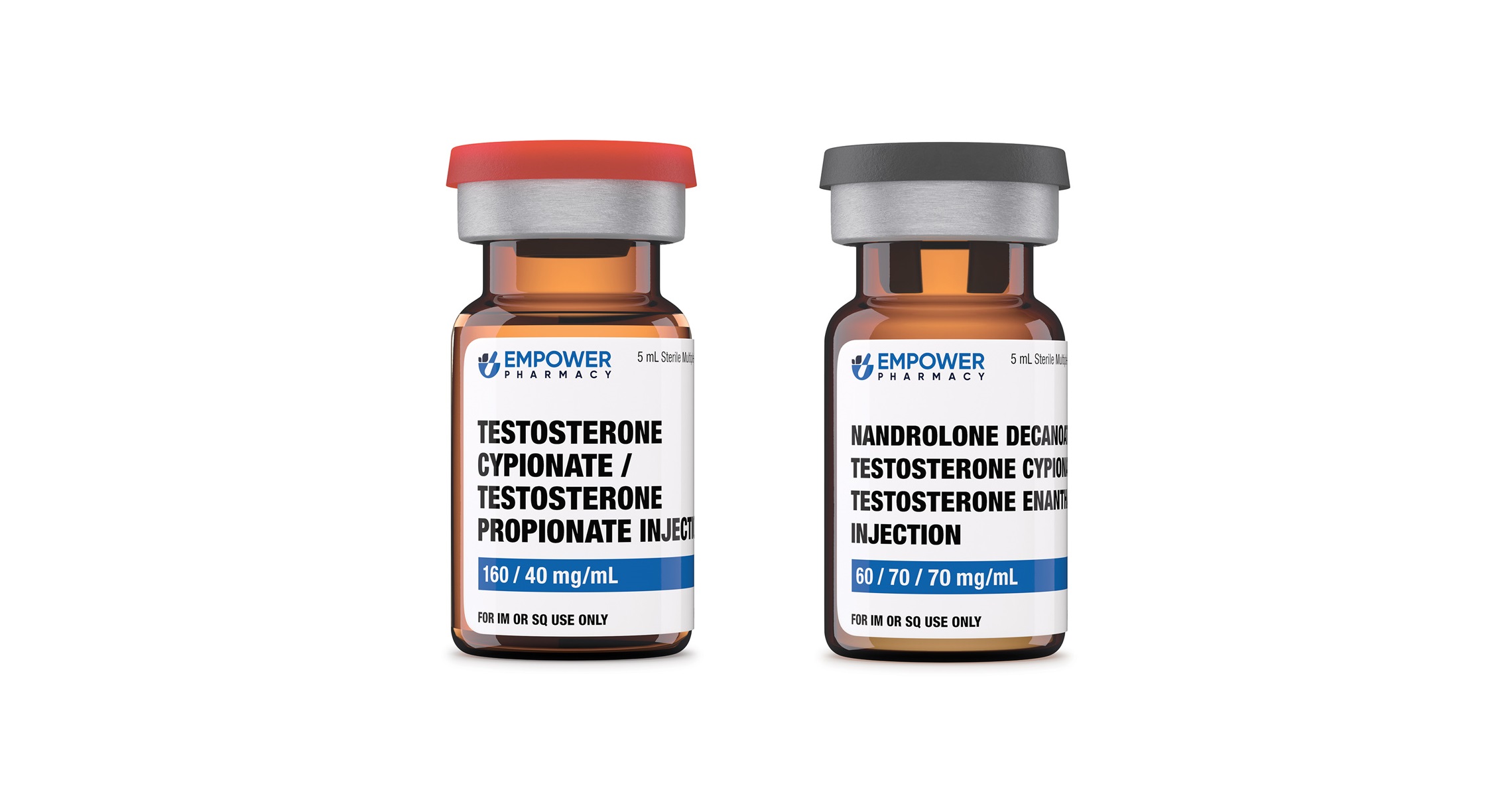
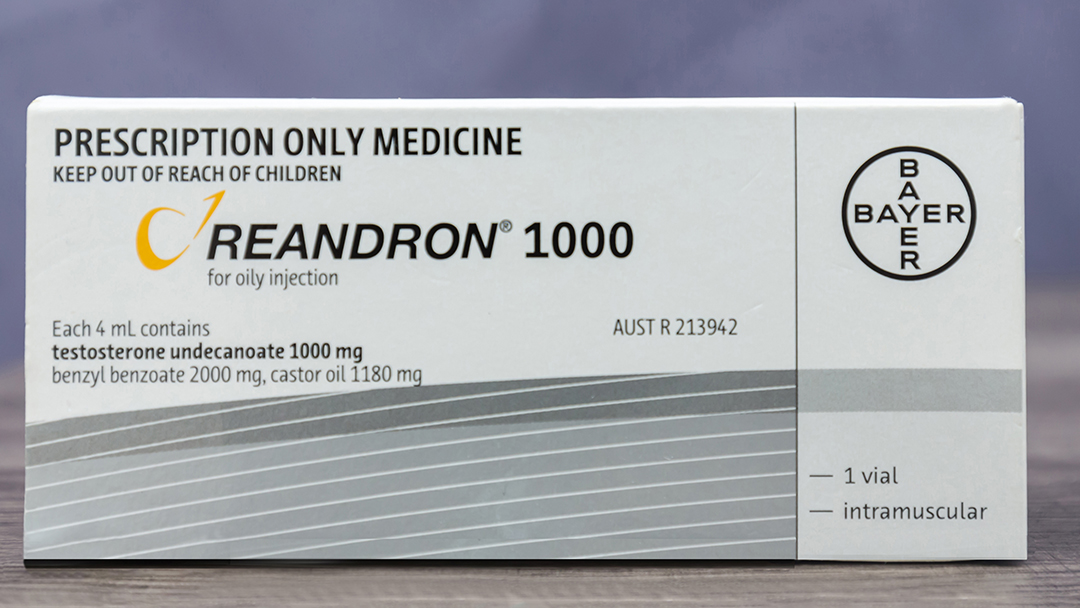
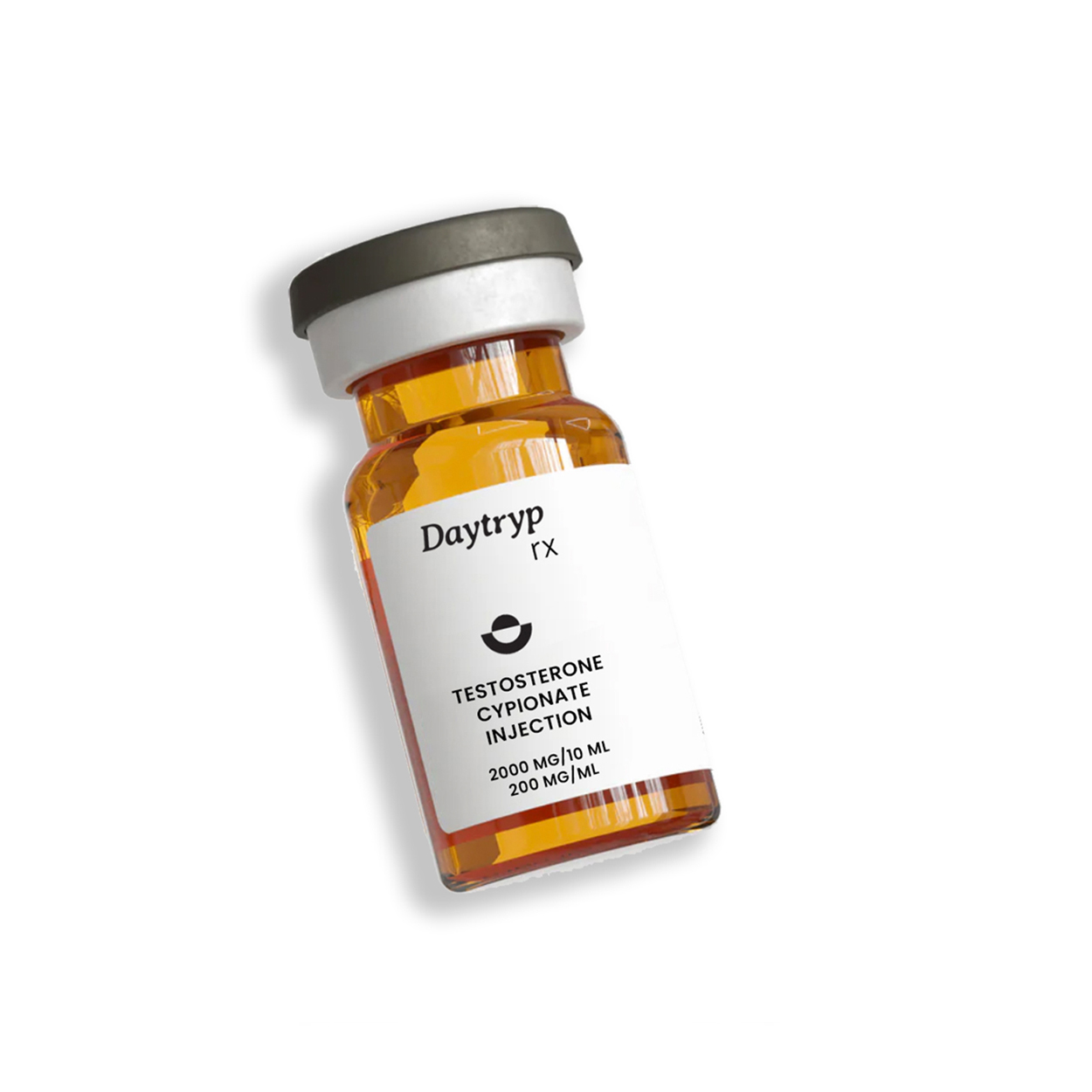
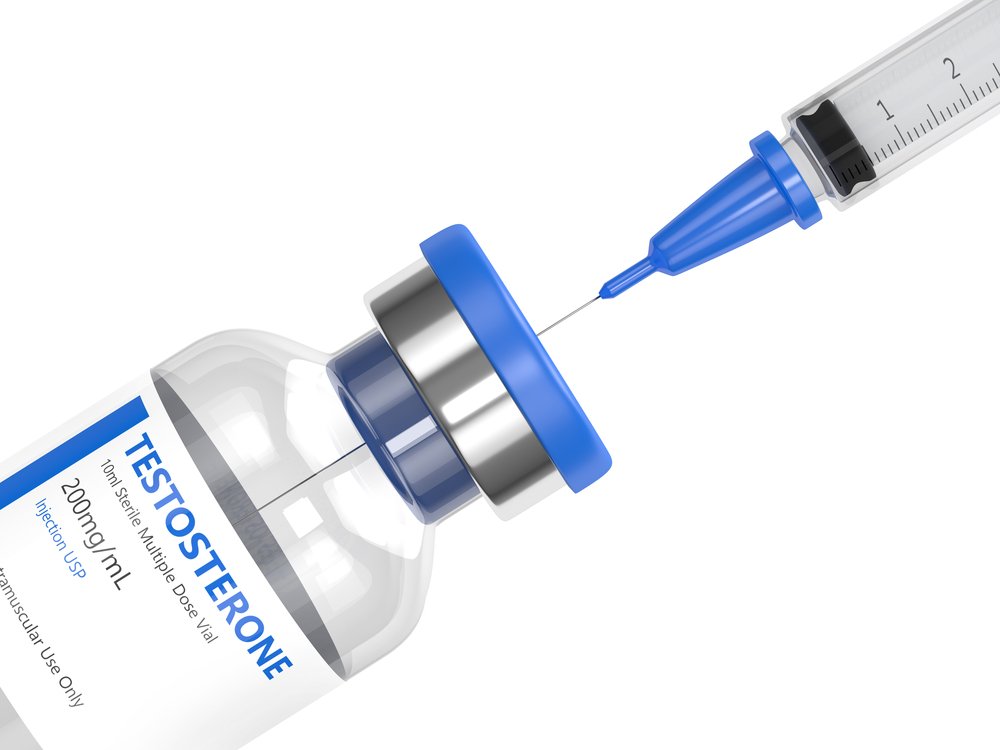
Liquid testosterone medications come in various forms, typically appearing as clear or slightly yellow oily liquids. Common types include testosterone enanthate and cypionate. They’re packaged in vials, pens, or syringes, which ensure safety and minimize contamination risks.
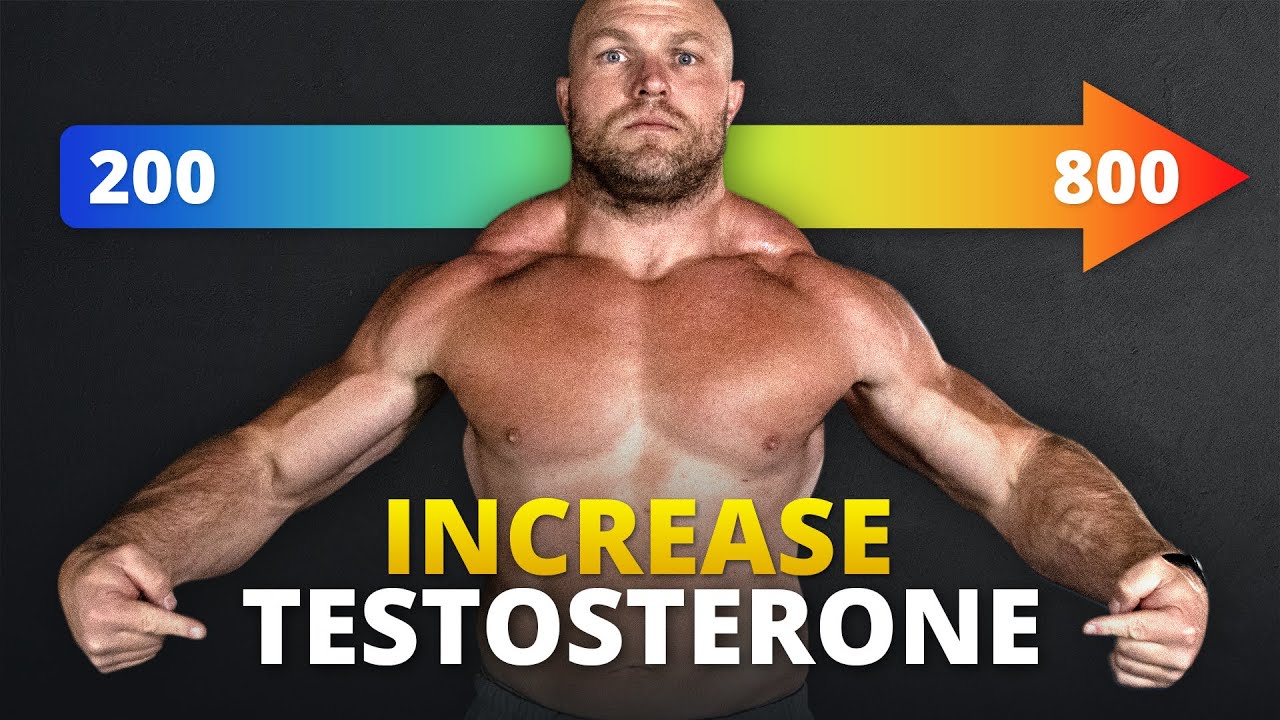
Testosterone is crucial for health, affecting libido, muscle mass, and mood. As it declines with age, many wonder if lifestyle changes can help. This article examines diet, exercise, sleep, and stress management as key factors in increasing testosterone levels effectively.